



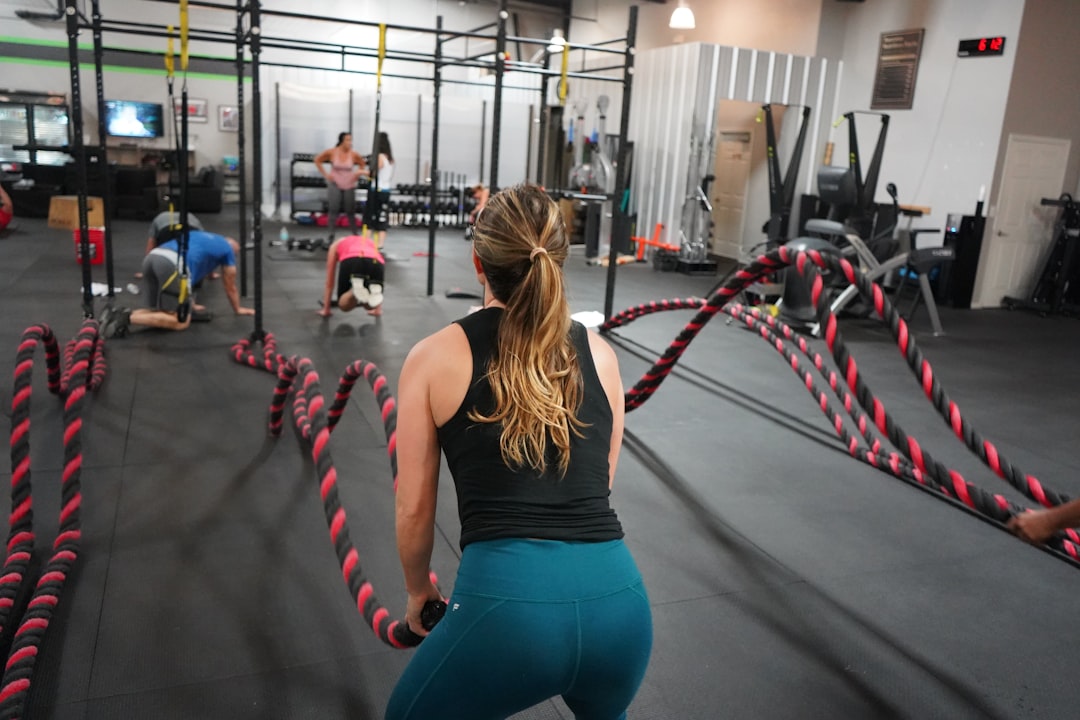
Physical Therapy Innovations for Athletes

Physical Therapy Innovations for Athletes

Athletes are constantly seeking ways to enhance performance, prevent injuries, and recover faster. Physical therapy has evolved significantly in recent years, with innovative approaches that cater specifically to athletes’ needs. These advancements not only address common sports injuries but also focus on optimizing athletic performance through personalized rehabilitation and training techniques.

1. Biomechanical Analysis and Motion Capture

One of the groundbreaking innovations in physical therapy for athletes is the use of biomechanical analysis and motion capture technology. This involves:

  • Tracking and analyzing movement patterns in real-time.
  • Identifying biomechanical imbalances that can lead to injuries.
  • Creating personalized rehabilitation programs based on individual movement data.

For example, companies like OptiTrack provide motion capture systems that allow physical therapists to precisely measure an athlete’s movements and make data-driven decisions to improve performance and reduce the risk of injury.

2. Virtual Reality (VR) Rehabilitation

Virtual reality is revolutionizing the rehabilitation process for athletes by:

  • Creating immersive environments for therapy sessions.
  • Simulating sports-specific scenarios to enhance mental and physical recovery.
  • Improving range of motion and coordination through interactive VR exercises.

Research from the University of Southern California demonstrated that athletes recovering from ACL injuries showed faster and more effective rehabilitation outcomes when using VR compared to traditional methods.

3. Telehealth and Remote Monitoring

Telehealth has become increasingly popular among athletes, allowing them to:

  • Consult with physical therapists remotely for immediate advice and support.
  • Receive personalized rehabilitation programs without the need for in-person visits.
  • Monitor progress through wearable devices that track movement, heart rate, and other vital metrics.

Companies like Physitrack offer platforms that enable athletes to access their rehabilitation exercises via mobile devices and receive real-time feedback from their therapists.

4. Regenerative Medicine

Advances in regenerative medicine have introduced new treatments for sports injuries, including:

  • Platelet-rich plasma (PRP) therapy to accelerate healing of tendon and ligament injuries.
  • Stem cell therapy to promote tissue regeneration and repair damaged muscles and joints.
  • Exosome therapy for anti-inflammatory effects and enhanced tissue repair.

Professional athletes such as Tiger Woods and Rafael Nadal have undergone PRP therapy to recover from injuries and return to peak performance levels in their respective sports.

5. Wearable Technology and Biometric Sensors

Wearable technology has transformed how athletes monitor their performance and health by:

  • Tracking biometric data such as heart rate variability, oxygen saturation, and muscle activity.
  • Providing real-time feedback on technique and performance metrics.
  • Alerting athletes and coaches to potential injury risks based on movement patterns and physiological indicators.

Companies like WHOOP and Fitbit offer wearable devices that integrate with athlete training programs to optimize recovery and performance based on data-driven insights.

The Bottom Line

As physical therapy continues to evolve, these innovations are reshaping how athletes approach injury recovery and performance enhancement. By integrating advanced technologies and personalized rehabilitation strategies, physical therapists are not only helping athletes recover faster but also enabling them to achieve new levels of athletic excellence.

Whether through biomechanical analysis, virtual reality rehabilitation, telehealth services, regenerative medicine, or wearable technology, these innovations are paving the way for a future where injuries are minimized, performance is maximized, and athletes can compete at their best.

Foundations of Physical Therapy Excellence

Mastering physical therapy requires dedication, proper technique, and a commitment to continuous improvement.

Progress in physical therapy often comes in waves rather than steady linear improvement. Plateaus are normal and even necessary for consolidating gains. During these periods, focus on refining technique rather than pushing for new achievements.

Taking Your Physical Therapy to the Next Level

Learning to learn effectively speeds acquisition of physical therapy skills. Understanding how your mind processes and retains information allows you to structure practice sessions for maximum benefit.

Your physical therapy journey is uniquely yours to shape. While guidance from others provides valuable direction, ultimately you must discover what approaches work best for your situation and goals.

Foundations of Physical Therapy Excellence

Mastering physical therapy requires dedication, proper technique, and a commitment to continuous improvement.

Progress in physical therapy often comes in waves rather than steady linear improvement. Plateaus are normal and even necessary for consolidating gains. During these periods, focus on refining technique rather than pushing for new achievements.

Taking Your Physical Therapy to the Next Level

Learning to learn effectively speeds acquisition of physical therapy skills. Understanding how your mind processes and retains information allows you to structure practice sessions for maximum benefit.

As you continue developing your physical therapy abilities, remember that mastery is a process rather than a destination. Each day offers opportunities to improve, regardless of current skill level.

The Community Aspect of Physical Therapy

Engaging with the physical therapy community enriches the experience significantly. Fellow practitioners provide support, challenge, and inspiration. Participating in events and gatherings creates memorable experiences and lasting connections. Teaching others solidifies your own understanding while contributing value. Online platforms enable connection across geographical boundaries. Local groups offer face-to-face interaction and immediate feedback. Finding your place within the community takes time but rewards the effort. Contribute positively while learning from those with more experience.

Maintaining Motivation for Physical Therapy

Sustaining motivation through the inevitable ups and downs of physical therapy pursuit requires multiple strategies. Connect your practice to deeper values and purposes that transcend immediate outcomes. Vary your routine to prevent staleness while maintaining productive structure. Set both short-term and long-term goals to provide direction at different scales. Celebrate achievements appropriately without becoming complacent. Remember why you started when enthusiasm wanes. Accept that motivation naturally fluctuates and develop discipline to carry you through low periods. Renewal often follows periods of doubt for those who persist.

Resources for Physical Therapy Improvement

Quality resources accelerate physical therapy development significantly. Books, courses, and instructional materials provide structured learning paths. Online communities offer support, accountability, and diverse perspectives. Mentors and coaches provide personalized guidance tailored to your specific needs. Evaluate resources critically before investing time or money—popularity does not guarantee quality. Seek recommendations from trusted sources who understand your goals. Balance consumption of information with actual practice; learning without application produces limited results. Build a personal library of materials you can revisit as your understanding deepens.

Common Challenges in Physical Therapy

Every physical therapy practitioner faces obstacles on their journey. Plateaus in progress test commitment and require patience to overcome. External pressures and competing priorities demand effective time management. Self-doubt occasionally undermines confidence despite objective evidence of improvement. Recognizing these challenges as normal parts of the process helps maintain perspective. Connect with others pursuing similar goals to share experiences and strategies. Sometimes the best approach to a stubborn problem is stepping back briefly before returning with fresh perspective. Persistence through difficulties builds resilience that serves you well beyond any single pursuit.

Developing Expertise in Physical Therapy

Building genuine expertise in physical therapy takes time and deliberate effort. Rather than seeking shortcuts, focus on deep understanding of fundamentals. The difference between average and exceptional practitioners often comes down to mastery of basics rather than knowledge of advanced techniques. Commit to regular practice sessions where you can focus without distraction. Quality of practice matters more than quantity—one hour of focused work produces better results than several hours of distracted effort. Track your progress over time to identify patterns and areas requiring attention. Celebrate improvements while maintaining realistic expectations about the pace of development.

Resources for Physical Therapy Improvement

Quality resources accelerate physical therapy development significantly. Books, courses, and instructional materials provide structured learning paths. Online communities offer support, accountability, and diverse perspectives. Mentors and coaches provide personalized guidance tailored to your specific needs. Evaluate resources critically before investing time or money—popularity does not guarantee quality. Seek recommendations from trusted sources who understand your goals. Balance consumption of information with actual practice; learning without application produces limited results. Build a personal library of materials you can revisit as your understanding deepens.

Measuring Progress in Physical Therapy

Effective progress tracking in physical therapy requires identifying meaningful metrics. Quantitative measures provide objective data while qualitative assessments capture nuances that numbers miss. Regular self-evaluation sessions help recognize improvements that accumulate gradually. Compare current performance against past benchmarks rather than against others whose circumstances differ. Set milestone targets that mark significant achievements along your journey. Adjust tracking methods as your goals evolve and you better understand what matters most. Documentation creates valuable records for future reference and motivation during challenging periods.

Resources for Physical Therapy Improvement

Quality resources accelerate physical therapy development significantly. Books, courses, and instructional materials provide structured learning paths. Online communities offer support, accountability, and diverse perspectives. Mentors and coaches provide personalized guidance tailored to your specific needs. Evaluate resources critically before investing time or money—popularity does not guarantee quality. Seek recommendations from trusted sources who understand your goals. Balance consumption of information with actual practice; learning without application produces limited results. Build a personal library of materials you can revisit as your understanding deepens.

Long-term Perspective on Physical Therapy

Sustainable engagement with physical therapy requires viewing it as a long-term pursuit rather than a short-term project. Those who achieve lasting success typically maintain involvement over years and decades. This extended timeframe allows for depth of development impossible in shorter periods. Pace yourself to avoid burnout while maintaining consistent engagement. Adapt your approach as life circumstances change while preserving core commitment. Find ways to integrate physical therapy into your identity and routine so it becomes natural rather than forced. The compound effect of sustained effort produces remarkable results over time.

More From Author

Marathon Training Science From Couch to 26.2 Miles

Mental Resilience Techniques for Young Athletes