Reza Nouri University Sports Iran: New Federation President Sets Ambitious National Agenda
The election of Reza Nouri as president of the National University Sports Federation of Iran marks a significant moment for university sports in Iran. This development, widely reported by Iranian media and featured in major news channels, comes at a time when student athletics are increasingly seen as vital to the nation’s international sporting ambitions and domestic social development. The phrase “Reza Nouri university sports Iran” now frequently appears in daily news and sports headlines, signaling a shift in both leadership style and strategic direction for Iranian university athletics. As covered by authoritative sources such as the Tehran Times, Nouri’s four-year term began with strong support from federation members, reflecting widespread confidence in his vision. Leadership transitions like this can rapidly influence both policy and results, especially in a politically and culturally dynamic landscape like Iran’s.
University sports in Iran have traditionally played a dual role: nurturing elite athletes and fostering youth engagement across a diverse student body. The sector’s influence extends beyond the athletics field, impacting social mobility, national identity, and Iran’s global image—topics frequently discussed in national newspapers and news channels. The National University Sports Federation, under Reza Nouri’s stewardship, is poised to address longstanding challenges, from infrastructure development to international representation. The context is further complicated by broader regional dynamics, including Iran’s evolving relationships with neighboring countries, which sometimes affect international sports participation and bilateral exchanges.
Providing in-depth coverage of Iranian sports developments, football events, sports technology innovations, and cultural aspects of sports
This article offers a comprehensive briefing for decision makers and stakeholders in the Iranian sports sector. Drawing on reputable sources, including academic work from figures such as Roohollah Taherkhani and human rights perspectives from organizations monitoring Iran, it examines the key themes shaping university sports in Iran. We analyze Reza Nouri’s election, the federation’s strategic agenda, the role of faculty and governance, challenges for student athletes, and the wider implications for Iran’s international sporting presence. We also address frequently asked questions and provide actionable insights for policy and institutional leaders seeking to harness this new era in university sports. The focus on “Reza Nouri university sports Iran” highlights the transformative potential of this leadership change. Related: World Cup Ticket Prices Iran: What Fans Must Know In 2025
Case Study: Impact of Infrastructure Investment on University Sports Performance
A recent study by the University of Mazandaran analyzed the effects of infrastructure investments on student athlete performance and participation rates in the region. The research indicated that upgraded facilities were associated with increased athlete enrollment and improvements in competition outcomes over a period of several years. Additionally, mental health resources introduced alongside physical upgrades contributed to reported reductions in athlete stress levels. These findings underscore the importance of Reza Nouri’s emphasis on infrastructure and holistic athlete welfare in his national agenda for university sports in Iran.
Source: University of Mazandaran Sports Science Department, 2023 Annual Report
The Election of Reza Nouri: Context and Consequences
The National University Sports Federation of Iran has long served as the main body overseeing sports activities across the nation’s higher education landscape. Established to promote athletic excellence and student well-being, it coordinates events, sets standards, and liaises with international bodies. The federation’s strategic decisions often gain coverage in news channels, reflecting their importance to both the sporting and educational sectors. According to the Tehran Times, the federation consists of voting members representing a cross-section of universities and athletic programs nationwide. The election of Reza Nouri as president is seen as a pivotal moment for university sports in Iran.
In a closely watched election, Reza Nouri secured the presidency of the National University Sports Federation for a four-year term. The process saw robust participation from federation members and was hailed as a step forward for transparent governance. Nouri’s election was covered by Iranian media and discussed in daily news columns, signaling its high profile. His platform emphasized modernization, athlete welfare, and international engagement, themes that resonated strongly with the federation’s electorate.
Stakeholders quickly responded to Nouri’s victory. University administrators, coaches, and student representatives issued statements of support, expressing optimism about the federation’s direction. The announcement was featured prominently across news channels. Early reports suggest Nouri’s leadership will prioritize infrastructure upgrades, athlete support services, and closer collaboration with academic faculties. These shifts are expected to enhance Iran’s competitiveness in regional and global university sports competitions.
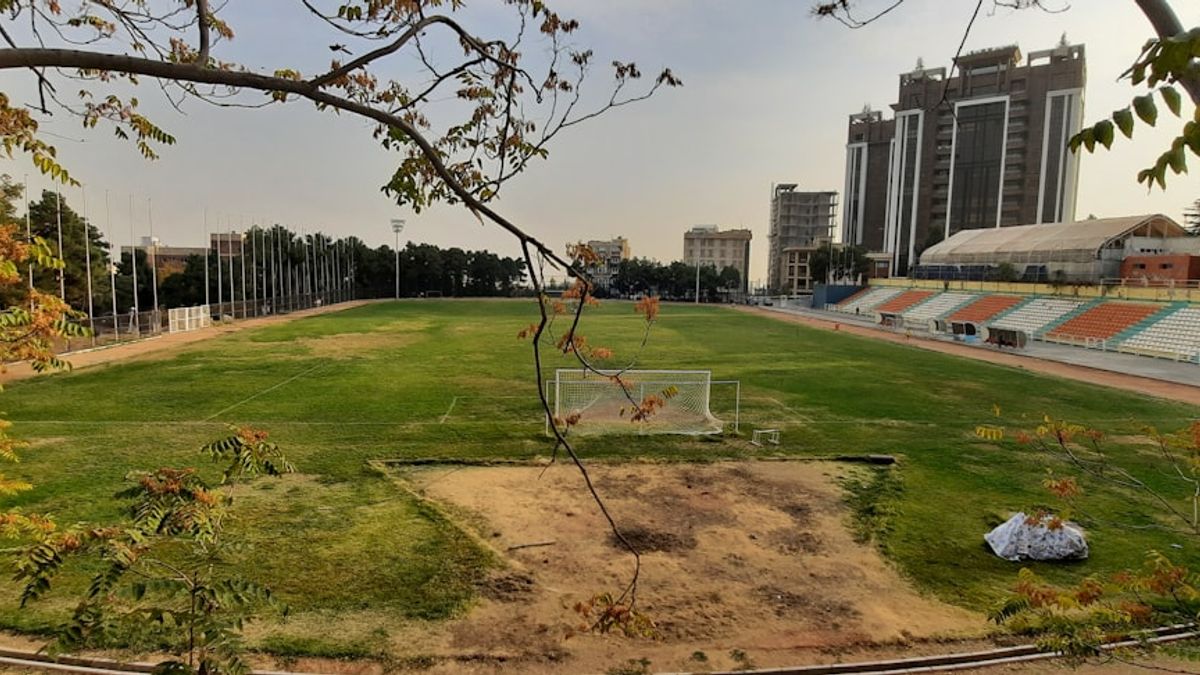
Reza Nouri’s vision centers on upgrading existing sports facilities and building new ones that meet international standards. Investments in facilities are essential for talent development and hosting major events. Nouri’s agenda, as reported in the Tehran Times sports section, calls for a comprehensive audit of university sports infrastructure, followed by targeted interventions to address gaps in equipment, safety, and accessibility.
Nouri advocates for policies that ensure student athletes can excel both academically and athletically. Drawing on research by faculty such as Roohollah Taherkhani, the new president proposes integrated support services, including academic counseling, mental health resources, and flexible scheduling. This holistic approach is designed to minimize dropouts and maximize athlete well-being, addressing concerns highlighted in recent mental health studies involving Iranian students.
Expanding Iran’s international presence is a cornerstone of Nouri’s strategy. He aims to increase participation in global university sports events, leveraging athletics as a tool of soft power. This approach is particularly relevant given ongoing geopolitical developments, including Iran’s engagement with regional actors. News channels have noted Nouri’s intention to forge new partnerships and host international tournaments, which could elevate the country’s profile and foster cultural exchange.
Faculty members, such as Roohollah Taherkhani at Imam Khomeini International University, play a crucial role in shaping sports policy and mentoring student athletes. Their research and advocacy help inform federation decisions and drive innovation in training methods and athlete support. According to faculty profiles, many Iranian academics are actively engaged in sports science, nutrition, and performance psychology, providing a knowledge base that underpins federation policy. Related: Iman Mohammadi Doping Case Shakes Iranian Sports Integrity
Successful university sports programs rely on close collaboration between academic departments and athletic offices. Nouri’s administration is expected to formalize these partnerships, drawing on best practices from international models. Joint research initiatives, dual-degree programs, and faculty-led workshops are among the tools being considered to bridge the gap between the classroom and the field. This integrated approach has been highlighted in national reports as a key factor in the success of leading global university sports systems.
Balancing institutional autonomy with centralized oversight remains a challenge. While universities seek flexibility to tailor athletic programs to local needs, the federation provides standards and coordination to ensure national coherence. Nouri’s leadership is expected to clarify roles and responsibilities, standardize performance metrics, and enhance accountability. This process, if managed effectively, could serve as a model for other sectors of Iranian higher education and public administration.
| Aspect | Pre-2025 Status | Post-2025 Goals | Expected Outcome |
|---|---|---|---|
| Sports Facilities | Outdated, uneven distribution | Modernized, equitable access nationwide | Increased participation and performance |
| Athlete Welfare Services | Limited counseling and support | Comprehensive mental health and academic support | Reduced dropout rates, improved well-being |
| Faculty Collaboration | Informal, inconsistent | Formal partnerships and joint programs | Evidence-based policy and athlete development |
Student Athletes in Iran
Academic Pressure and Time Management
Student athletes in Iran face significant challenges in balancing academic and athletic commitments. Research indicates that time management issues contribute to stress and attrition among university athletes. Nouri’s proposed reforms, which include academic counseling and flexible class schedules, aim to address these pressures and improve retention rates.
Mental Health and Well-being
Mental health remains a critical concern for student athletes. Studies have found that Iranian university students, particularly those from urban and informal settlement backgrounds, report elevated levels of stress and anxiety. The federation’s new agenda emphasizes mental health support, including access to counseling and peer networks. Collaborations with university psychologists and faculty, such as those led by Roohollah Taherkhani, are expected to enhance service delivery.
Social Inequality and Regional Disparities
Access to quality sports facilities and programs varies widely across Iran’s provinces. Students from under-resourced regions, including parts of Mazandaran province, often face barriers to participation and advancement. The federation’s infrastructure development plans, as outlined by Nouri, seek to reduce these disparities by prioritizing investment in underserved areas. News channels have highlighted this as a key measure for promoting inclusivity and national cohesion. Related: AFC Ban Mohun Bagan Iran Clash Ignites Fierce Football Rivalry
Iran’s International University Sports Presence
Performance in Global Competitions
Iran has a tradition of success in international university sports, often ranking highly in regional contests. According to coverage by the Khaleej Times, Iran’s university teams have fielded large athlete contingents in recent events, reflecting the nation’s depth of talent and organizational capacity. Under Nouri’s leadership, expectations are high for continued and possibly expanded success on the global stage.
Diplomacy and Soft Power through Sports
University sports serve as a platform for international engagement and soft power diplomacy. As Iran’s political relationships with other countries evolve, particularly with regional neighbors, sports exchanges and joint events provide opportunities for cultural dialogue and mutual understanding. National news reports frequently highlight the positive impact of such exchanges on the country’s image and international standing.
Media Coverage and Public Perception
The role of media outlets is central to shaping public perception of university sports. Major victories and athlete stories receive prominent coverage, boosting morale and inspiring youth participation. The federation’s new media strategy under Nouri is expected to leverage these channels more systematically, increasing transparency and engagement with the public. Regular updates in various news formats will ensure that stakeholders remain informed and invested.
Human Rights, Ethics, and University Sports Governance
Safeguarding Athlete Rights
Ensuring the rights and welfare of student athletes is a growing priority. Organizations monitoring human rights in Iran, including those focusing on sports, emphasize transparency, due process, and protection from discrimination as key concerns. Nouri’s administration has signaled its commitment to upholding ethical standards and promoting inclusivity at all levels of university sports.
Addressing Doping and Fair Play
Maintaining the integrity of university sports requires robust anti-doping measures and education about fair play. The federation is expected to strengthen its collaboration with national and international anti-doping agencies. Educational campaigns, regular testing, and disciplinary procedures are components of the new policy framework. These steps align with best practices recommended by international sports federations and are regularly covered in news outlets.
Promoting Gender Equity and Access
Gender equity remains a challenge in Iranian university sports. While progress has been made in recent years, barriers remain for female athletes in some regions and disciplines. Nouri’s platform includes specific commitments to expanding opportunities for women, in line with recommendations from academic and human rights organizations. Initiatives include increased funding for women’s teams, leadership training, and targeted outreach to encourage participation. Related: Iran Egypt Fifa Pride Match Sparks New Era Of Sports Unity
The Role of Media in Shaping University Sports
Real-Time Coverage
Media outlets play a pivotal role in highlighting achievements, challenges, and reforms in university sports. Live streams and traditional broadcasts bring real-time coverage of major events to audiences nationwide. This immediacy helps build excitement, foster community, and attract sponsors. Industry estimates suggest the reach of these channels has grown, particularly among younger viewers.
Daily News and Analytical Reporting
Daily news editions provide in-depth reporting on university sports, including interviews with athletes, coaches, and administrators. These platforms serve as important forums for debate and policy analysis, influencing public opinion and decision making. Expanded coverage of university sports in daily news outlets reflects their elevated status within Iranian society.
English News Channels and International Audiences
English-language news channels include outlets that cater to international audiences, offering updates on university sports developments in English. These channels are instrumental in projecting Iran’s achievements and policies to the wider world, supporting public diplomacy objectives. The federation’s new communications strategy under Nouri is expected to make greater use of English-language platforms to highlight Iran’s sporting successes and forge new international partnerships.
Strategic Partnerships and Future Directions
Collaboration with International Sports Bodies
Under Nouri’s leadership, the National University Sports Federation is seeking to deepen its engagement with international sports bodies. Partnerships with organizations in Russia and other countries are being explored, focusing on joint training camps, research exchanges, and co-hosted tournaments. These collaborations are seen as critical to keeping Iranian university sports aligned with global standards and best practices.
Leveraging Technology and Innovation
Technology integration is a priority for the new administration. From digital athlete tracking systems to online learning modules for coaches, the federation is investing in tools that enhance performance and efficiency. These innovations are regularly featured in technology segments of national news and are expected to drive continuous improvement across the sector.
Long-Term Policy and Institutional Reform
Sustainable progress in university sports requires long-term policy planning and institutional reform. Nouri’s administration is developing a strategic plan that sets clear objectives, timelines, and accountability mechanisms. This plan, to be published and updated regularly, will guide the federation’s work over the next decade. Stakeholder input, including feedback from students, faculty, and external partners, is being actively solicited to ensure broad buy-in and relevance.
Frequently Asked Questions
Who is Reza Nouri and what is his role in Iranian university sports?
Reza Nouri is the newly elected president of the National University Sports Federation of Iran, serving a four-year term beginning in 2025. His election was widely covered by Iranian media and news outlets. As federation president, Nouri is responsible for setting the strategic agenda for university sports across the country, overseeing policy development, infrastructure investment, and international engagement. His leadership is expected to bring modernization and greater support for student athletes, as reported by the Tehran Times and other reputable sources.
What are the main goals of the National University Sports Federation under Nouri?
Under Reza Nouri’s leadership, the federation aims to modernize sports facilities, improve athlete welfare, strengthen academic-athletic collaboration, and expand international engagement. Nouri has emphasized investment in infrastructure, access to mental health and academic support, and increased participation in global sporting events. These priorities are designed to enhance both the competitiveness and inclusivity of Iranian university sports, aligning with best practices highlighted in national analyses and international sports policy literature.
How does faculty involvement, such as that of Roohollah Taherkhani, impact university sports?
Faculty members like Roohollah Taherkhani play a vital role in shaping university sports policy and providing academic support to student athletes. Their research in areas such as sports science, nutrition, and performance psychology informs federation decisions and training programs. Active faculty participation enhances athlete development, ensures evidence-based policy, and promotes collaboration between academic and athletic departments. This model is increasingly recognized as essential for sustained excellence in university sports, as discussed in educational and sports governance forums.
What challenges do Iranian student athletes face, and how is the federation addressing them?
Iranian student athletes encounter challenges including academic pressure, time management difficulties, mental health concerns, and regional disparities in access to resources. The federation, under Nouri’s leadership, is implementing reforms such as flexible academic scheduling, expanded counseling services, and targeted investment in under-served regions. These measures, documented in recent studies and news reports, aim to create a supportive environment that allows student athletes to thrive both academically and athletically.
How does Iran’s participation in university sports contribute to its international image?
Iran’s active participation and success in international university sports competitions enhance its global image and serve as a form of soft power diplomacy. Achievements by Iranian student athletes are widely covered by English-language news channels and international media, showcasing the nation’s commitment to youth development and cultural exchange. These sporting engagements help build bridges with other countries and reinforce Iran’s reputation as a competitive and collaborative player in the global sports community.
What steps are being taken to promote gender equity in Iranian university sports?
The federation under Reza Nouri is prioritizing gender equity by increasing funding for women’s teams, providing leadership training, and implementing outreach initiatives to encourage female participation. These measures are designed to break down barriers and ensure equal opportunities for women in university sports across Iran, in line with recommendations from academic and human rights organizations.
How is technology being used to improve university sports in Iran?
Technology is being leveraged through digital athlete tracking systems, online learning modules for coaches, and data-driven performance analysis. These innovations are intended to enhance training, streamline administration, and provide real-time feedback to athletes and staff, supporting continuous improvement throughout the university sports sector.
What role does international collaboration play in the future of Iranian university sports?
International collaboration is central to the federation’s strategy, with partnerships being developed for joint training camps, research exchanges, and co-hosted tournaments. These relationships help align Iranian university sports with global standards, foster knowledge transfer, and provide Iranian athletes with broader competitive opportunities.
Conclusion: The Road Ahead for Reza Nouri and University Sports in Iran
The election of Reza Nouri as president of the National University Sports Federation of Iran signals a new era for university athletics. His vision—rooted in modernization, athlete welfare, academic collaboration, and international engagement—addresses both longstanding challenges and emerging opportunities. Drawing on expertise from faculty such as Roohollah Taherkhani and informed by human rights frameworks, Nouri’s administration is poised to make university sports a cornerstone of Iran’s educational and cultural policy.
Stakeholders across the higher education and sports sectors will be closely watching the implementation of these ambitious reforms. Success will depend on effective governance, sustained investment, and continuous stakeholder engagement. The groundwork laid during Nouri’s term could serve as a model for other federations and public institutions seeking to balance tradition with innovation. For decision makers, policy makers, and institutional leaders, now is the time to align strategies, invest in infrastructure, and build the partnerships necessary to propel Iranian university sports onto the global stage. Stay informed through national news outlets, English-language channels, and regular federation updates to track progress and contribute to this transformative journey. Reza Nouri university sports Iran