The Asian Games: Iran’s Quest for Gold and Regional Dominance
As I sit down to write about Iran’s involvement in the Asian Games, I can’t help but think back to the excitement surrounding the 2022 Games in Hangzhou. The atmosphere was electric, and as I watched Iranian athletes compete, I felt a deep sense of pride and anticipation. For many of us, the Asian Games are not just about sports; they represent a complex interplay of culture, politics, and national pride.
In this article, I’ll explore Iran’s historical participation in the Asian Games, its fluctuating performance, key athletes to watch, and the broader implications of these games on the geopolitical landscape.
A Historical Overview of Iran’s Participation in the Asian Games
Iran first joined the Asian Games in 1951, making its debut in New Delhi. Since then, the nation has become one of the leading competitors in the region, consistently showcasing its strength in various sports. The 1951 Games marked a significant moment for Iranian sports, as it was the first time the country truly stepped onto an international stage.
Over the decades, Iran has remained a regular participant, with its athletes competing fiercely and often bringing home medals. The Games have allowed Iran to build a legacy of sporting excellence, particularly in sports such as wrestling, weightlifting, and athletics, where they have historically excelled.
The Rise and Fall: Iran’s Fluctuating Performance Over the Decades
While Iran has enjoyed periods of tremendous success, its performance has not always been consistent. In the early years, Iran dominated wrestling and weightlifting, securing numerous gold medals. However, in the late 1990s and early 2000s, the country faced challenges, including political turmoil and competition from other rising Asian nations.
Despite these ups and downs, recent years have seen a resurgence in Iranian sports, particularly in wrestling, where the nation has produced world-class athletes. The nuanced narrative of triumph and adversity reflects the spirit of Iranian athletes who continue to strive for excellence, even against the backdrop of geopolitical challenges.
Key Sports and Athletes to Watch in the Upcoming Games
As the 2023 Asian Games approach, several key sports and athletes are generating buzz. Wrestling remains a cornerstone of Iranian sporting success, with athletes like Hassan Yazdani and Alireza Karimi expected to shine. Their skills and dedication have made them household names back home, and their performances will be closely watched by fans and media alike.
Weightlifting is another sport where Iran consistently achieves medals. With stars like Kianoush Rostami and Sohrab Moradi, the nation has a strong chance of dominating the podium once again. Furthermore, track and field athletes are also anticipated to perform well, particularly in events like javelin and sprinting, where Iran has been steadily improving.
- Wrestling: Athletes like Hassan Yazdani and Alireza Karimi.
- Weightlifting: Kianoush Rostami and Sohrab Moradi.
- Track and Field: Upcoming talents in javelin and sprinting.
The Geopolitical Stage: Asian Games as a Platform for Regional Influence
Beyond the medals, the Asian Games serve as a platform for Iran to foster diplomatic relationships with other Asian nations. In recent years, sports have become a tool for soft power, enabling Iran to build bridges with neighboring countries and establish a presence on the international stage.
The Games provide a unique opportunity for Iranian officials to engage with their counterparts from other nations, facilitating discussions that may extend beyond sports. It’s fascinating to see how athletics can act as a catalyst for dialogue and cooperation in a region often fraught with tension.
The Impact of Sanctions and International Relations on Iranian Sports
However, Iran’s journey in sports has not been without its challenges. Sanctions imposed on the country have significantly impacted its access to international training, equipment, and competitions. These restrictions have hindered the development of athletes and made it difficult for them to compete at the highest levels.
Despite these hurdles, Iranian athletes have demonstrated remarkable resilience. They train under challenging conditions and often rely on their ingenuity to make the most of limited resources. The spirit of perseverance is a testament to their dedication and love for their sport.
Sanctions have also affected the international perception of Iranian sports, making it crucial for athletes to perform well and present a positive image of their country. The 2023 Asian Games are an opportunity to showcase not just athletic ability, but also the rich cultural heritage that Iran has to offer.
The Road to Hangzhou 2022: Preparations and Expectations
As preparations ramped up for the 2023 Games in Hangzhou, the Iranian government invested heavily in sports as a means of national pride and soft power. The anticipation surrounding the event was palpable. Athletes trained rigorously, knowing that their performances could have a lasting impact on their country’s image abroad.
I remember attending a training session for one of the national wrestling teams, and the intensity was electrifying. The athletes were pushing their limits, aware that they carried not just their own dreams, but the hopes of a nation. Each lift and every match was a step toward not just personal glory, but a collective aspiration for Iran.
Beyond the Medals: The Social and Cultural Significance of the Games for Iran
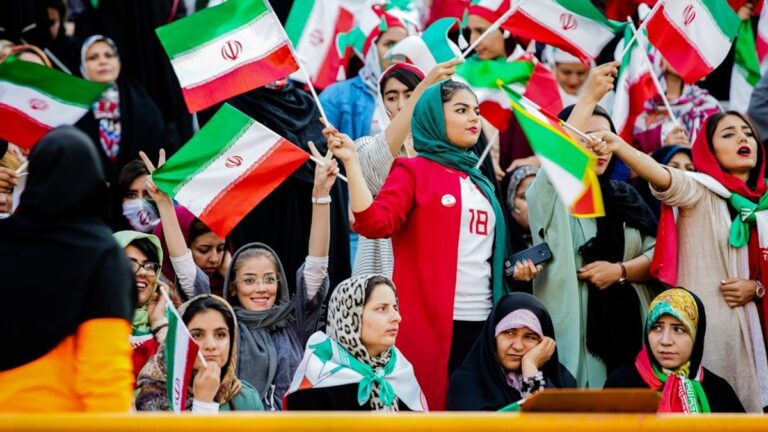
Finally, it’s essential to recognize that the Asian Games hold social and cultural significance for Iran. The Games provide a platform for athletes to express themselves and challenge societal norms, particularly for female athletes. Their success and visibility are crucial in the current social and political context.
The 2023 Asian Games will showcase the talents of Iranian female athletes, who have historically faced various obstacles in their pursuit of sports. Their participation can inspire a new generation of girls and young women in Iran, encouraging them to pursue their passions regardless of societal expectations.
In conclusion, Iran’s quest for gold at the Asian Games is about more than just medals; it’s a journey that intertwines sports, culture, and geopolitics. As we look forward to the events in Hangzhou, the spotlight will be on Iranian athletes, who carry the hopes and aspirations of a nation on their shoulders. Let’s cheer them on as they strive for excellence and seek to make their mark on the world stage.
For more insights on the Asian Games and Iranian sports, you can check out articles on the Olympic website, or visit the official Asian Games site for updates and results.
By: Kian Sharifi
About the Author
Kian Sharifi
Kian Sharifi is a Tehran-based sports journalist specializing in the intersection of sports and geopolitics in the Middle East.
The Evolution of Sports in Iran
Iran boasts one of the richest sporting traditions in the world, with athletic culture dating back thousands of years. The ancient Persian empire valued physical fitness and martial prowess, creating structured training systems that influenced civilizations across Asia and Europe. This heritage continues to shape Iranian sports culture today, combining traditional values with modern athletic excellence.
Zurkhaneh, the traditional house of strength, represents the quintessential Iranian approach to athletics—combining physical training with spiritual development and cultural values. This ancient institution has produced generations of champions across various sports, particularly wrestling, where Iran consistently ranks among the worlds elite nations.
Iranian Wrestling Tradition
Wrestling holds a special place in Iranian culture, considered both a sport and a national treasure. Iranian wrestlers have dominated international competitions for decades, winning numerous Olympic and World Championship medals. The systematic development of wrestling talent, from grassroots programs to elite national teams, serves as a model for sports development globally.
The success of Iranian wrestling reflects the countrys deep investment in combat sports infrastructure. Training centers across the nation identify and develop promising athletes from a young age, providing world-class coaching and facilities. This pipeline of talent ensures Iran remains competitive at the highest levels of international wrestling.
Iranian Football Evolution
Football is the most popular sport in Iran, with millions of passionate fans following both domestic and international competitions. The Persian Gulf Pro League features historic clubs like Persepolis and Esteghlal, whose rivalry is one of the most intense in Asian football. These matches draw massive crowds and capture the nations attention.
Team Melli, the national team, represents Iranian football on the world stage. Multiple World Cup appearances have demonstrated Iran capabilities against global footballing powers. The development of Iranian talent for European leagues has increased international recognition of Iranian football, with players like Sardar Azmoun and Mehdi Taremi showcasing Iranian excellence abroad.
Upcoming Athletic Opportunities
Beyond traditional strengths, Iran is developing programs in emerging sports to diversify its athletic portfolio. Volleyball has seen tremendous growth, with the national team achieving consistent success in Asian competitions and improving its global ranking. Other sports like basketball, taekwondo, and weightlifting also show promising development.
Investment in sports infrastructure continues to expand opportunities for Iranian athletes. New training facilities, coaching education programs, and athlete support systems are being developed across the country. These investments, combined with Iran rich sporting culture and passionate population, position the nation for continued athletic success in the coming decades.
Essential Elements of Asian Games
The world of asian games continues to evolve, presenting new opportunities for those willing to learn.
The foundation of excellence in asian games lies in understanding both theory and application. While reading and studying provide valuable knowledge, practical experience transforms information into genuine skill. Balance your learning between conceptual understanding and hands-on practice.
Advancing Your Asian Games Journey
Nutrition and lifestyle factors influence asian games outcomes more than many participants realize. What happens outside of dedicated practice time affects performance during it. Holistic attention to health supports athletic goals.
Moving forward with asian games requires balancing ambition with patience. Set challenging goals while accepting that meaningful achievement takes time. The journey itself offers rewards beyond any destination.