



Community Impact of Youth Sports Development
Background
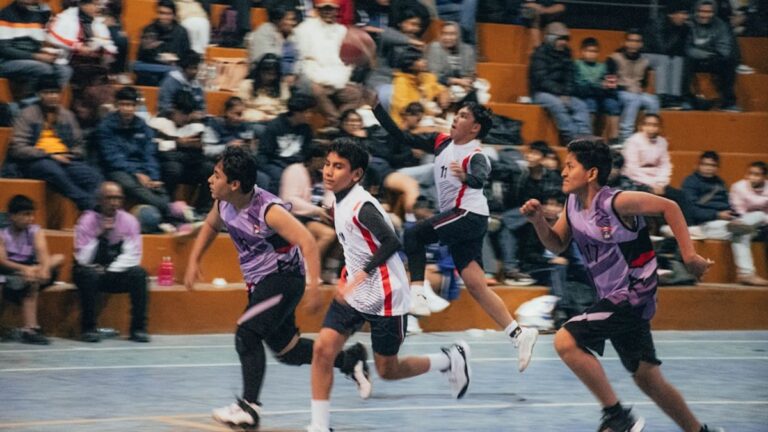
Youth sports development plays a crucial role in shaping communities worldwide. Beyond physical fitness and skill development, these programs significantly impact social, emotional, and economic aspects of localities. This article explores how youth sports contribute to community development and highlights their broader implications.
Social Benefits
- Teamwork and Collaboration: Youth sports foster teamwork and collaboration among participants, teaching them to work towards a common goal.
- Leadership Skills: Through captaincy roles and mentoring younger players, youth learn essential leadership qualities.
- Community Cohesion: Sports events bring families and neighbors together, strengthening community bonds and fostering a sense of belonging.
Economic Impact
Youth sports can also have a significant economic impact on communities:
- Tourism and Revenue: Tournaments and competitions attract visitors, boosting local businesses such as hotels, restaurants, and shops.
- Infrastructure Development: Investment in sports facilities not only benefits athletes but also enhances community infrastructure, making the area more attractive for residents and businesses.
Health and Well-being
Physical activity through youth sports promotes:
- Healthy Lifestyles: Encouraging regular exercise from a young age reduces the risk of obesity and related health issues.
- Mental Health: Sports participation has been linked to improved mental well-being, including reduced stress and anxiety levels.
Educational Outcomes
Academic performance can improve due to:
- Time Management: Balancing sports and academics teaches time management skills and discipline.
- Scholarship Opportunities: Exceptional athletes often receive scholarships, easing financial burdens on families and encouraging higher education.
Case Studies and Examples
Several communities have experienced transformative effects from youth sports:
- Williamsport, Pennsylvania: Home of the Little League World Series, the city annually hosts international teams, boosting tourism and community spirit.
- Harlem RBI, New York City: Using baseball and softball, this program combines sports with academic enrichment, leading to higher graduation rates and college attendance among participants.
Key Takeaways
Youth sports development goes beyond physical exercise; it enriches communities socially, economically, and educationally. By investing in youth sports, communities foster healthier, more cohesive environments where young people can thrive and contribute positively to society.
Foundations of Youth Sports Excellence
Mastering youth sports requires dedication, proper technique, and a commitment to continuous improvement.
Progress in youth sports often comes in waves rather than steady linear improvement. Plateaus are normal and even necessary for consolidating gains. During these periods, focus on refining technique rather than pushing for new achievements.
Taking Your Youth Sports to the Next Level
Learning to learn effectively speeds acquisition of youth sports skills. Understanding how your mind processes and retains information allows you to structure practice sessions for maximum benefit.
The community of youth sports practitioners welcomes those committed to improvement. Engage with others who share your interests to accelerate learning and enrich your experience.
Foundations of Youth Sports Excellence
Mastering youth sports requires dedication, proper technique, and a commitment to continuous improvement.
Progress in youth sports often comes in waves rather than steady linear improvement. Plateaus are normal and even necessary for consolidating gains. During these periods, focus on refining technique rather than pushing for new achievements.
Taking Your Youth Sports to the Next Level
Learning to learn effectively speeds acquisition of youth sports skills. Understanding how your mind processes and retains information allows you to structure practice sessions for maximum benefit.
Moving forward with youth sports requires balancing ambition with patience. Set challenging goals while accepting that meaningful achievement takes time. The journey itself offers rewards beyond any destination.
Resources for Youth Sports Improvement
Quality resources accelerate youth sports development significantly. Books, courses, and instructional materials provide structured learning paths. Online communities offer support, accountability, and diverse perspectives. Mentors and coaches provide personalized guidance tailored to your specific needs. Evaluate resources critically before investing time or money—popularity does not guarantee quality. Seek recommendations from trusted sources who understand your goals. Balance consumption of information with actual practice; learning without application produces limited results. Build a personal library of materials you can revisit as your understanding deepens.
Integrating Youth Sports with Daily Life
Making youth sports part of everyday life strengthens both practice and life overall. Look for opportunities to apply principles and skills in various contexts. Notice connections between youth sports and other interests or responsibilities. Share your enthusiasm with others while respecting their different priorities. Let insights from youth sports inform decisions beyond its immediate domain. Create environmental cues that reinforce commitment and trigger positive habits. Balance dedication with flexibility to maintain relationships and fulfill other important obligations.
Resources for Youth Sports Improvement
Quality resources accelerate youth sports development significantly. Books, courses, and instructional materials provide structured learning paths. Online communities offer support, accountability, and diverse perspectives. Mentors and coaches provide personalized guidance tailored to your specific needs. Evaluate resources critically before investing time or money—popularity does not guarantee quality. Seek recommendations from trusted sources who understand your goals. Balance consumption of information with actual practice; learning without application produces limited results. Build a personal library of materials you can revisit as your understanding deepens.
Developing Expertise in Youth Sports
Building genuine expertise in youth sports takes time and deliberate effort. Rather than seeking shortcuts, focus on deep understanding of fundamentals. The difference between average and exceptional practitioners often comes down to mastery of basics rather than knowledge of advanced techniques. Commit to regular practice sessions where you can focus without distraction. Quality of practice matters more than quantity—one hour of focused work produces better results than several hours of distracted effort. Track your progress over time to identify patterns and areas requiring attention. Celebrate improvements while maintaining realistic expectations about the pace of development.
Measuring Progress in Youth Sports
Effective progress tracking in youth sports requires identifying meaningful metrics. Quantitative measures provide objective data while qualitative assessments capture nuances that numbers miss. Regular self-evaluation sessions help recognize improvements that accumulate gradually. Compare current performance against past benchmarks rather than against others whose circumstances differ. Set milestone targets that mark significant achievements along your journey. Adjust tracking methods as your goals evolve and you better understand what matters most. Documentation creates valuable records for future reference and motivation during challenging periods.
Developing Expertise in Youth Sports
Building genuine expertise in youth sports takes time and deliberate effort. Rather than seeking shortcuts, focus on deep understanding of fundamentals. The difference between average and exceptional practitioners often comes down to mastery of basics rather than knowledge of advanced techniques. Commit to regular practice sessions where you can focus without distraction. Quality of practice matters more than quantity—one hour of focused work produces better results than several hours of distracted effort. Track your progress over time to identify patterns and areas requiring attention. Celebrate improvements while maintaining realistic expectations about the pace of development.
Resources for Youth Sports Improvement
Quality resources accelerate youth sports development significantly. Books, courses, and instructional materials provide structured learning paths. Online communities offer support, accountability, and diverse perspectives. Mentors and coaches provide personalized guidance tailored to your specific needs. Evaluate resources critically before investing time or money—popularity does not guarantee quality. Seek recommendations from trusted sources who understand your goals. Balance consumption of information with actual practice; learning without application produces limited results. Build a personal library of materials you can revisit as your understanding deepens.
Maintaining Motivation for Youth Sports
Sustaining motivation through the inevitable ups and downs of youth sports pursuit requires multiple strategies. Connect your practice to deeper values and purposes that transcend immediate outcomes. Vary your routine to prevent staleness while maintaining productive structure. Set both short-term and long-term goals to provide direction at different scales. Celebrate achievements appropriately without becoming complacent. Remember why you started when enthusiasm wanes. Accept that motivation naturally fluctuates and develop discipline to carry you through low periods. Renewal often follows periods of doubt for those who persist.
Common Challenges in Youth Sports
Every youth sports practitioner faces obstacles on their journey. Plateaus in progress test commitment and require patience to overcome. External pressures and competing priorities demand effective time management. Self-doubt occasionally undermines confidence despite objective evidence of improvement. Recognizing these challenges as normal parts of the process helps maintain perspective. Connect with others pursuing similar goals to share experiences and strategies. Sometimes the best approach to a stubborn problem is stepping back briefly before returning with fresh perspective. Persistence through difficulties builds resilience that serves you well beyond any single pursuit.
Maintaining Motivation for Youth Sports
Sustaining motivation through the inevitable ups and downs of youth sports pursuit requires multiple strategies. Connect your practice to deeper values and purposes that transcend immediate outcomes. Vary your routine to prevent staleness while maintaining productive structure. Set both short-term and long-term goals to provide direction at different scales. Celebrate achievements appropriately without becoming complacent. Remember why you started when enthusiasm wanes. Accept that motivation naturally fluctuates and develop discipline to carry you through low periods. Renewal often follows periods of doubt for those who persist.
Common Challenges in Youth Sports
Every youth sports practitioner faces obstacles on their journey. Plateaus in progress test commitment and require patience to overcome. External pressures and competing priorities demand effective time management. Self-doubt occasionally undermines confidence despite objective evidence of improvement. Recognizing these challenges as normal parts of the process helps maintain perspective. Connect with others pursuing similar goals to share experiences and strategies. Sometimes the best approach to a stubborn problem is stepping back briefly before returning with fresh perspective. Persistence through difficulties builds resilience that serves you well beyond any single pursuit.