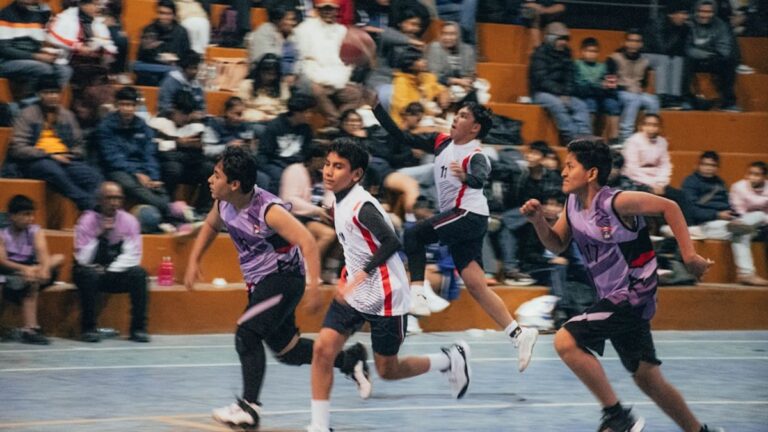




Community Sports Initiatives Building Engagement
The Power of Community Sports
Sports have long been recognized as a powerful tool for fostering community engagement. Beyond physical health benefits, community sports initiatives play a crucial role in building social cohesion, promoting inclusivity, and enhancing overall quality of life. Whether organized by local governments, nonprofits, or grassroots organizations, these initiatives contribute significantly to community development.
Key Benefits of Community Sports Initiatives
- Social Cohesion: Sports bring people together across age, gender, and cultural divides, fostering bonds and creating a sense of belonging.
- Health and Well-being: Regular physical activity reduces the risk of chronic diseases and improves mental health, contributing to a healthier community.
- Youth Development: Engaging youth in sports teaches valuable life skills such as teamwork, discipline, and leadership.
- Economic Impact: Vibrant sports communities attract tourism, create jobs, and stimulate local economies through sports-related businesses.
- Inclusivity: Community sports initiatives often prioritize inclusivity, providing opportunities for marginalized groups to participate and thrive.
Case Studies: Successful Initiatives
1. The City of Melbourne’s Active Melbourne Program
The Active Melbourne program is a prime example of how local government initiatives can effectively promote community engagement through sports. By offering a wide range of subsidized sports programs and events, the city encourages residents of all ages and backgrounds to participate in physical activities. This initiative has not only improved public health outcomes but also strengthened community bonds.
2. Street Soccer USA
Street Soccer USA harnesses the power of soccer to empower homeless individuals and at-risk youth across the United States. Through structured sports programs, mentorship, and job training opportunities, the organization aims to break the cycle of homelessness and foster personal growth. Participants develop confidence and life skills while building supportive relationships within their communities.
Building Sustainable Engagement
Effective community sports initiatives require sustainable strategies to maintain engagement over the long term:
- Partnerships: Collaborate with local businesses, schools, and community organizations to expand reach and resources.
- Accessible Facilities: Ensure sports facilities are easily accessible, well-maintained, and inclusive of all community members.
- Volunteer Engagement: Recruit and train volunteers to support program delivery and community outreach efforts.
- Continuous Evaluation: Regularly assess the impact of initiatives through participant feedback and outcome measurements to refine and improve programs.
Final Thoughts
Community sports initiatives play a pivotal role in fostering inclusive communities, promoting health and well-being, and empowering individuals. By leveraging the universal appeal of sports, these initiatives create opportunities for social interaction, skill development, and community pride. Through sustainable strategies and collaborative efforts, communities can harness the full potential of sports to build a brighter and more connected future.
Fundamentals of Community Sports Mastery
The journey toward excellence in community sports begins with understanding core principles and building from there.
The mental aspect of community sports deserves as much attention as physical preparation. Visualization, goal-setting, and stress management techniques help performers maintain composure when it matters most. These skills can be developed through deliberate practice.
Progressing in Your Community Sports Practice
The social dimension of community sports enriches the experience beyond individual achievement. Friendships formed through shared interests often become among the most meaningful in life.
Your community sports journey is uniquely yours to shape. While guidance from others provides valuable direction, ultimately you must discover what approaches work best for your situation and goals.
Fundamentals of Community Sports Mastery
The journey toward excellence in community sports begins with understanding core principles and building from there.
The mental aspect of community sports deserves as much attention as physical preparation. Visualization, goal-setting, and stress management techniques help performers maintain composure when it matters most. These skills can be developed through deliberate practice.
Progressing in Your Community Sports Practice
The social dimension of community sports enriches the experience beyond individual achievement. Friendships formed through shared interests often become among the most meaningful in life.
As you continue developing your community sports abilities, remember that mastery is a process rather than a destination. Each day offers opportunities to improve, regardless of current skill level.
Developing Expertise in Community Sports
Building genuine expertise in community sports takes time and deliberate effort. Rather than seeking shortcuts, focus on deep understanding of fundamentals. The difference between average and exceptional practitioners often comes down to mastery of basics rather than knowledge of advanced techniques. Commit to regular practice sessions where you can focus without distraction. Quality of practice matters more than quantity—one hour of focused work produces better results than several hours of distracted effort. Track your progress over time to identify patterns and areas requiring attention. Celebrate improvements while maintaining realistic expectations about the pace of development.
Maintaining Motivation for Community Sports
Sustaining motivation through the inevitable ups and downs of community sports pursuit requires multiple strategies. Connect your practice to deeper values and purposes that transcend immediate outcomes. Vary your routine to prevent staleness while maintaining productive structure. Set both short-term and long-term goals to provide direction at different scales. Celebrate achievements appropriately without becoming complacent. Remember why you started when enthusiasm wanes. Accept that motivation naturally fluctuates and develop discipline to carry you through low periods. Renewal often follows periods of doubt for those who persist.
Maintaining Motivation for Community Sports
Sustaining motivation through the inevitable ups and downs of community sports pursuit requires multiple strategies. Connect your practice to deeper values and purposes that transcend immediate outcomes. Vary your routine to prevent staleness while maintaining productive structure. Set both short-term and long-term goals to provide direction at different scales. Celebrate achievements appropriately without becoming complacent. Remember why you started when enthusiasm wanes. Accept that motivation naturally fluctuates and develop discipline to carry you through low periods. Renewal often follows periods of doubt for those who persist.
Long-term Perspective on Community Sports
Sustainable engagement with community sports requires viewing it as a long-term pursuit rather than a short-term project. Those who achieve lasting success typically maintain involvement over years and decades. This extended timeframe allows for depth of development impossible in shorter periods. Pace yourself to avoid burnout while maintaining consistent engagement. Adapt your approach as life circumstances change while preserving core commitment. Find ways to integrate community sports into your identity and routine so it becomes natural rather than forced. The compound effect of sustained effort produces remarkable results over time.
Measuring Progress in Community Sports
Effective progress tracking in community sports requires identifying meaningful metrics. Quantitative measures provide objective data while qualitative assessments capture nuances that numbers miss. Regular self-evaluation sessions help recognize improvements that accumulate gradually. Compare current performance against past benchmarks rather than against others whose circumstances differ. Set milestone targets that mark significant achievements along your journey. Adjust tracking methods as your goals evolve and you better understand what matters most. Documentation creates valuable records for future reference and motivation during challenging periods.
Integrating Community Sports with Daily Life
Making community sports part of everyday life strengthens both practice and life overall. Look for opportunities to apply principles and skills in various contexts. Notice connections between community sports and other interests or responsibilities. Share your enthusiasm with others while respecting their different priorities. Let insights from community sports inform decisions beyond its immediate domain. Create environmental cues that reinforce commitment and trigger positive habits. Balance dedication with flexibility to maintain relationships and fulfill other important obligations.
Resources for Community Sports Improvement
Quality resources accelerate community sports development significantly. Books, courses, and instructional materials provide structured learning paths. Online communities offer support, accountability, and diverse perspectives. Mentors and coaches provide personalized guidance tailored to your specific needs. Evaluate resources critically before investing time or money—popularity does not guarantee quality. Seek recommendations from trusted sources who understand your goals. Balance consumption of information with actual practice; learning without application produces limited results. Build a personal library of materials you can revisit as your understanding deepens.
The Community Aspect of Community Sports
Engaging with the community sports community enriches the experience significantly. Fellow practitioners provide support, challenge, and inspiration. Participating in events and gatherings creates memorable experiences and lasting connections. Teaching others solidifies your own understanding while contributing value. Online platforms enable connection across geographical boundaries. Local groups offer face-to-face interaction and immediate feedback. Finding your place within the community takes time but rewards the effort. Contribute positively while learning from those with more experience.
Measuring Progress in Community Sports
Effective progress tracking in community sports requires identifying meaningful metrics. Quantitative measures provide objective data while qualitative assessments capture nuances that numbers miss. Regular self-evaluation sessions help recognize improvements that accumulate gradually. Compare current performance against past benchmarks rather than against others whose circumstances differ. Set milestone targets that mark significant achievements along your journey. Adjust tracking methods as your goals evolve and you better understand what matters most. Documentation creates valuable records for future reference and motivation during challenging periods.
Measuring Progress in Community Sports
Effective progress tracking in community sports requires identifying meaningful metrics. Quantitative measures provide objective data while qualitative assessments capture nuances that numbers miss. Regular self-evaluation sessions help recognize improvements that accumulate gradually. Compare current performance against past benchmarks rather than against others whose circumstances differ. Set milestone targets that mark significant achievements along your journey. Adjust tracking methods as your goals evolve and you better understand what matters most. Documentation creates valuable records for future reference and motivation during challenging periods.