
Green Sports Stadium Iran: Why the Nation’s Eco Venues Inspire Hope and Change
Green sports stadium Iran is a phrase that’s rapidly gaining momentum among architects, athletes, and environmentalists alike. The push for sustainability in Iran’s sports infrastructure isn’t just a trend—it’s a movement that promises a cleaner, healthier future for both fans and the planet. In this in-depth exploration, I’ll take you inside the world of Iran’s green stadium initiatives, uncovering the strategies, challenges, and cultural shifts driving these revolutionary sports venues. From groundbreaking management models to the integration of traditional Iranian eco-architecture, the journey of green sports stadiums in Iran is a testament to the nation’s commitment to sustainability. Join me as we delve into the requirements, the comparisons with global trends, and practical steps making eco-friendly stadiums a reality in Iran. Green Stadium Iran Ushers in Eco – Friendly Sports Revolution
The Urgent Need for Green Sports Stadiums in Iran – green sports stadium Iran
The concept of the green sports stadium Iran is more than just a catchphrase—it’s a response to pressing environmental challenges. With sports playing a central role in Iranian culture, stadiums have become symbols of national pride. Yet, these massive venues also consume vast amounts of energy, water, and materials, leaving a significant ecological footprint. According to research published in the Sport Management Research Journal, identifying the requirements for sustainable sports facilities is crucial for Iran’s future.
Environmental Impact of Traditional Stadiums
Traditional stadiums in Iran, like elsewhere, often rely on outdated construction materials and energy-hungry systems. These venues generate large volumes of waste and emissions, putting additional strain on urban infrastructure. As Iran’s cities grow, the need for sustainable solutions becomes even more critical. Green Sports Stadium Iran
Social and Econ
There’s also a strong social and economic case for green stadiums. Eco-friendly sports venues attract international events, boost tourism, and provide healthier environments for fans and athletes. From my perspective, the shift toward green sports stadiums in Iran reflects a broader desire for innovation and global recognition. Green Sports Stadium Iran
bal recognition.
Iranian authorities have begun integrating sustainability into their sports policy frameworks. Industry estimates indicate that government-backed projects are setting new standards for green construction and management, signaling a long-term commitment to sustainable development. Green Sports Stadium Iran“Sustainability in sports infrastructure is no longer optional; it’s imperative. Iranian green stadium initiatives exemplify how tradition and innovation can unite to create healthier environments for all.” – Sport Management Research Journal. Green Sports Stadium Iran
ier environments for all.” – Sport Management Research Journal
Key Requirements for a Green Sports Stadium in Iran
To build a truly green sports stadium Iran, several specific requirements must be met. According to a study published in the Sport Management Research Journal, these include not only environmental consideration
The use of renewable energy sources such as solar panels and wind turbines is a cornerstone of sustainable stadium design. Iran’s abundant sunlight makes solar power a logical choice. Efficient LED lighting, motion sensors, and smart energy management systems further reduce electricity consumption. Green Sports Stadium Iran
on sensors,
Water scarcity is a real issue in many Iranian regions. Green stadiums incorporate rainwater harvesting, graywater recycling, and low-flow fixtures to minimize water use. These practices not only save resources but also lower operational costs. Green Sports Stadium Iran
low fixtures to
Selecting local, recycled, or biodegradable building materials is essential. This reduces the carbon footprint associated with transportation and manufacturing. Studies suggest that bamboo, recycled steel, and low-VOC paints are increasingly being used in Iranian projects. Green Sports Stadium Iran
and manufacturing. Studies suggest that bamboo, recycled steel, and low-VOC paints are increasingly being used in Iranian projects.
Waste Management
Comprehensive recycling systems, composting programs, and minimal single-use plastics help stadiums achieve zero-waste goals. According to industry reports, this approach also educates visitors about responsible consumption.
Comparing Green Sports Stadiums in Iran and Worldwide
Where does the green sports stadium Iran movement stand compared to global efforts? A comparative study featured in the Journal of Sport Management highlights both the progress and remaining gaps.
Technological Adoption
While European and North American stadiums often lead in smart technology integration, Iranian venues are catching up. Digital ticketing, automated climate control, and renewable energy monitoring are gradually becoming standard features.
Community Engagement
Internationally, successful green sports venues often involve fans and local communities in sustainability initiatives. In Iran, similar community-driven programs are taking root, from tree-planting days to educational campaigns on match days. Smart Wearable Football Elevates Your Game Performance Today
Regulations and Standards
Global green stadiums are frequently required to meet certification standards such as LEED or BREEAM. In Iran, the development of national green building codes is underway, aligning domestic practices with international benchmarks.
| Feature | Green Sports Stadium Iran | Global Leaders |
|---|---|---|
| Renewable Energy | Solar panels, wind turbines (emerging) | Solar, wind, geothermal (established) |
| Water Management | Rainwater harvesting, graywater use | Advanced recycling, on-site treatment |
| Community Programs | Tree-planting, fan education | Zero-waste events, local food sourcing |
| Certification | Developing national standards | LEED, BREEAM certified |
Strategies for Developing Green Sports Stadium Infrastructure
The transition to sustainable sports facilities isn’t accidental—it requires well-defined strategies. As outlined in Strategies for Infrastructure of Green Sports Facilities, Iran is adopting a multi-pronged approach to green construction.
Integrated Design Process
Involving architects, engineers, environmental experts, and community representatives from the earliest planning stages ensures that sustainability is embedded in every decision. This collaborative model leads to more innovative and practical solutions.
Lifecycle Assessment
Evaluating the environmental impact of materials, energy use, and waste throughout the stadium’s lifespan helps identify areas for improvement. Lifecycle assessments support smarter material choices and maintenance plans.
Smart Technology Integration
Embracing IoT sensors, real-time monitoring, and automation can dramatically improve resource efficiency. Smart lighting, heating, and cooling systems adjust based on occupancy and weather, reducing unnecessary energy use.
Public Transportation Access
Encouraging the use of buses, metros, and bike-sharing schemes reduces traffic congestion and emissions on event days. Some Iranian stadiums are now designed with integrated transport hubs, making eco-friendly travel easier for fans.
Designing a Green Management Model for Iranian Stadiums
A sustainable stadium isn’t just about construction—it’s about ongoing management. Research from the Sport Management Research Journal stresses the importance of a robust green management model for Iranian sports venues.
Leadership Commitment
Top-down commitment from stadium owners and managers is vital. When leadership prioritizes sustainability, it sets the tone for the entire organization and encourages staff to innovate.
Staff Training and Engagement
Ongoing training ensures that employees understand eco-friendly practices, from energy conservation to waste sorting. Incentive programs can reward sustainable behavior, fostering a culture of environmental responsibility.
Stakeholder Collaboration
Partnering with sponsors, local authorities, and NGOs can amplify the impact of green initiatives. Joint projects—such as recycling drives or energy-saving challenges—benefit both the stadium and the wider community. AI Revolution in Sports: How Artificial Intelligence Is Creating Unbeatable Athletes and Changing Competition Forever
Continuous Improvement
Regular audits and feedback mechanisms allow management to refine policies and adopt new technologies. In my experience, stadiums that embrace continuous learning tend to outperform their peers in sustainability metrics.
Factors Affecting the Development of Green Stadiums in Iran
Building a green sports stadium Iran isn’t without obstacles. According to the Research on Factors Affecting the Development of Football Stadiums, several key factors shape the success of these projects.
Financial Constraints
The upfront costs of renewable energy systems and eco-friendly materials can be higher than traditional alternatives. However, long-term savings on energy and maintenance often offset these expenses over time.
Technical Expertise
The availability of skilled architects, engineers, and facility managers with experience in green building is still growing in Iran. Training programs and international collaborations are helping to bridge this gap.
Regulatory Challenges
Evolving building codes and the lack of unified national green standards can complicate project planning. Ongoing governmental efforts to clarify and enforce sustainability regulations are expected to accelerate progress.
Cultural Perceptions
Some stakeholders may resist change, viewing green stadium initiatives as unnecessary or costly. Educational campaigns highlighting the benefits—such as improved air quality and community pride—are crucial for overcoming resistance.
Integrating Traditional Iranian Architecture into Modern Green Stadiums
Iran’s rich history of sustainable construction offers valuable lessons for modern architects. Traditional Iranian architecture is renowned for its ingenious use of natural resources, as noted in architectural research and highlighted by the Iranian Society of Sports Medicine.
Windcatchers and Passive Cooling
Windcatchers, or “badgirs,” are a hallmark of Persian architecture. These tall, chimney-like structures channel cool breezes into buildings, reducing the need for air conditioning. Incorporating windcatchers into stadium design can lower energy consumption and improve spectator comfort.
Earth Materials and Insulation
The use of adobe and other natural materials provides excellent thermal insulation, keeping interiors cool in summer and warm in winter. By blending these materials with modern engineering, stadiums can achieve both sustainability and durability.
Courtyards and Green Spaces
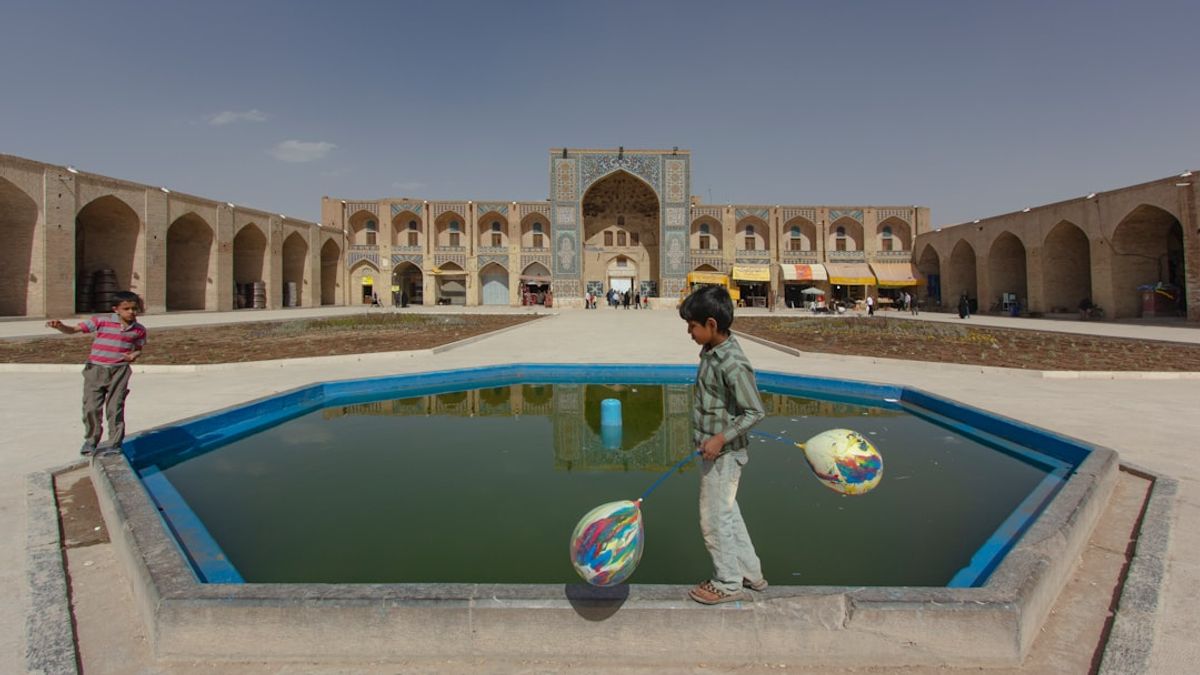
Traditional Iranian homes often feature lush internal courtyards that promote cooling and social interaction. Modern stadiums are now integrating green roofs, gardens, and shaded plazas to create inviting, energy-efficient spaces. The Dark Side of Professional Sports: Mental Health Crisis Athletes Are Finally Talking About
Community Impact: How Green Stadiums Inspire Change
The influence of a green sports stadium Iran extends far beyond its walls. These venues can inspire fans, athletes, and local residents to adopt more sustainable habits in their daily lives.
Educational Programs for Fans
Many Iranian stadiums are introducing educational campaigns on recycling, energy saving, and water conservation. Interactive exhibits and workshops on match days transform fans into environmental ambassadors.
Supporting Local Economies
By sourcing materials and services locally, green stadiums support regional businesses and create jobs. Community gardens and farmers’ markets near stadiums also promote sustainable food systems.
Role Models for Other Sectors
When sports venues take the lead on sustainability, other industries—such as hospitality, retail, and education—are more likely to follow. This ripple effect can accelerate Iran’s transition to a greener economy.
Challenges and Opportunities: What’s Next for Green Stadiums in Iran?
Despite remarkable progress, the green sports stadium Iran movement still faces hurdles. Yet, these challenges are matched by significant opportunities for innovation and leadership.
Adapting to Climate Change
As Iran experiences more frequent droughts and heatwaves, stadiums must become even more resilient. Adaptive designs—such as retractable roofs and advanced water recycling—will be crucial for future projects.
International Partnerships
Collaborating with international sports bodies and environmental organizations can bring new expertise, funding, and recognition to Iranian green stadium projects.
Expanding to Other Sports
While football dominates the conversation, there’s growing interest in greening venues for volleyball, wrestling, and athletics. Applying lessons learned from football stadiums can accelerate sustainability across all sports.
Success Stories: Iranian Stadiums Leading the Green Revolution
Several Iranian stadiums are already setting powerful examples for others to follow. These venues showcase the potential of sustainable design and management in the heart of the Middle East.
Azadi Stadium’s Eco Upgrades
Azadi Stadium, the largest in Iran, has begun implementing solar panels and efficient irrigation systems. These upgrades not only cut costs but also demonstrate the feasibility of retrofitting older venues for sustainability.
Iran Mall Sports Complex
The Iran Mall Sports Complex is a multi-purpose facility that integrates energy-saving lighting, water recycling, and extensive green spaces. Its design has attracted attention for balancing modern amenities with environmental stewardship.
Grassroots Initiatives
Smaller community stadiums are piloting composting programs, bike-friendly infrastructure, and partnerships with local schools. These projects prove that sustainability is achievable at every scale.
Action Steps to Support Green Sports Stadiums in Iran
To contribute to the growth and success of green sports stadiums in Iran, consider the following practical steps:
- Advocate for Policy Support: Encourage local and national governments to prioritize sustainable sports infrastructure through funding and regulations.
- Promote Community Engagement: Participate in or organize educational campaigns and sustainability programs at local sports venues.
- Support Sustainable Practices: Use public transportation, recycle, and minimize waste when attending sporting events.
- Encourage Innovation: Back initiatives that integrate traditional Iranian architectural methods with modern green technologies.
- Foster Partnerships: Facilitate collaboration between stakeholders including architects, environmental groups, and sports organizations to share knowledge and resources.
Frequently Asked Questions about Green Sports Stadium Iran
What is the biggest stadium in Iran?
The biggest stadium in Iran is Azadi Stadium, located in Tehran. With a capacity of about 78,000 spectators, it’s not only the largest sporting venue in the country but also a landmark in the region. Azadi Stadium has hosted numerous international football matches, cultural events, and national celebrations. Over the years, the stadium has undergone various renovations to improve its facilities, safety features, and environmental impact. Recent upgrades have included the installation of more energy-efficient lighting and water management systems as part of Iran’s broader push towards sustainable sports infrastructure. As the centerpiece of Iranian football, Azadi Stadium continues to set an example for other venues by gradually adopting more green practices.
What is a green stadium?
A green stadium is a sports venue designed, constructed, and managed to minimize its environmental impact. Around the world, stadiums are embracing green initiatives such as using renewable energy, reducing water consumption, managing waste responsibly, and improving energy efficiency. The goal is not only to lessen their carbon footprint but also to inspire fans and the wider community to adopt sustainable habits. Features of green stadiums typically include solar panels, rainwater harvesting systems, recycling stations, and eco-friendly building materials. According to the Sport Management Research Journal, green stadiums in Iran are also beginning to incorporate traditional passive cooling methods and local landscaping, making them uniquely suited to the nation’s climate and cultural context.
What is Iran’s biggest sport?
Football, also known as soccer, is the most popular sport in Iran by a significant margin. It enjoys widespread participation at all levels, from schoolyards and neighborhood pitches to professional leagues and international competitions. Iran’s national football team has a passionate following, and matches at major venues like Azadi Stadium routinely attract tens of thousands of fans. Other popular sports in Iran include wrestling—deeply rooted in the country’s cultural history—and volleyball, which has seen rapid growth in recent years. According to the Journal of Sport Management, the prominence of football is a driving force behind sustainable stadium initiatives, as improvements made for football venues often set the standard for other sports.
What are the sustainable systems in Iran traditional architecture?
Traditional Iranian architecture is renowned for its sustainable systems, which are both cost-effective and environmentally friendly. These systems often leverage natural resources such as wind, sunlight, and water to create comfortable living and gathering spaces. Notable examples include windcatchers (badgirs) for passive cooling, thick adobe walls for insulation, and underground water channels (qanats) for irrigation and temperature regulation. Courtyard gardens provide shade, improve air quality, and enhance social interaction. These design elements are increasingly being reimagined for modern buildings, including sports stadiums. Research published in the Iranian Society of Sports Medicine Journal highlights how incorporating these time-tested strategies can significantly reduce the environmental impact of contemporary stadiums while honoring Iran’s architectural heritage.
How are green stadiums financed in Iran?
Financing green stadiums in Iran often involves a combination of public and private investment. Government funding is typically allocated for major infrastructure projects, especially those that align with national development goals. Private sector involvement—through sponsorships, naming rights, and partnerships with construction firms—supplements these funds. International grants and collaborations with environmental organizations may also provide financial support for specific sustainability features, such as solar panel installations or water recycling systems. While the initial costs of building green can be higher, stadium operators often benefit from long-term savings on energy and maintenance, making these investments attractive over time.
Are there any international standards guiding green sports stadiums in Iran?
While Iran is developing its own national standards for green construction, many stadium projects draw inspiration from international frameworks such as LEED (Leadership in Energy and Environmental Design) or BREEAM (Building Research Establishment Environmental Assessment Method). These standards provide guidelines for sustainable site selection, energy and water efficiency, materials use, and indoor environmental quality. Iranian authorities are increasingly referencing these benchmarks to ensure that new sports facilities meet global best practices. Additionally, partnerships with international sports bodies and environmental groups help keep Iranian green stadium projects aligned with evolving global standards.
What role do fans play in the success of green stadiums?
Fans are essential to the success of any green stadium initiative. Their participation in recycling programs, use of public transportation, and support for eco-friendly policies can significantly reduce a venue’s overall environmental impact. Many stadiums in Iran are now engaging fans through educational campaigns, interactive displays, and incentives for sustainable behavior, such as discounts for bringing reusable bottles or using bicycle parking. According to research in the Faslname Sports Journal, fan engagement not only drives immediate results but also helps cultivate a broader culture of sustainability in the community.
Can older stadiums in Iran be retrofitted to become green?
Absolutely, many older stadiums in Iran can and are being retrofitted to adopt greener practices. Upgrading lighting systems to LEDs, installing solar panels, improving water management infrastructure, and introducing comprehensive recycling programs are all feasible retrofits. While such renovations require investment and careful planning, the long-term benefits include reduced operational costs, improved fan experience, and enhanced reputation for the venue. Azadi Stadium’s recent upgrades serve as a prominent example of how legacy venues can transition toward sustainability without losing their historical significance.
Conclusion: The Future of Green Sports Stadiums in Iran
In my experience exploring sustainable sports infrastructure, the green sports stadium Iran movement stands out as both ambitious and inspiring. Iranian architects, policymakers, and sports leaders are charting a path that honors tradition while embracing innovation. By identifying key requirements, comparing global trends, and integrating time-honored architectural wisdom, Iran’s green stadiums are setting new standards for the region. Challenges remain, from technical expertise to financing, but the opportunities for positive change far outweigh the obstacles. Whether you’re a fan, an athlete, or simply a citizen invested in a healthier future, the rise of green sports stadiums in Iran offers hope—and a blueprint—for sustainable development worldwide. Now is the time to support and expand these initiatives, ensuring that every new stadium built is a victory not just for sports, but for the planet. If you want to see Iranian sports thrive for generations to come, champion the green revolution—on and off the field.