


Iran Sports Technology Overhaul: National Olympic Committee Reveals Smart Systems Impacting Economy and Diplomacy
The landscape of Iran sports technology is undergoing a profound transformation, driven by a new wave of innovation and strategic vision. As the National Olympic Committee (NOC) of Iran unveils its ambitious hi-tech initiatives, industry observers and sports professionals are closely watching how Tehran’s commitment to smart monitoring systems, digital infrastructure, and global networking could redefine the future of Iranian athletics. This shift in Iran sports technology is not just about equipment upgrades—it signals a systematic integration of technology into performance, training, management, and even international diplomacy. According to official statements from the NOC Secretary General, the move aims to enhance elite athlete development, optimize operations, and position Iran as a regional leader in sports science and technology. Related: Lewis Hamilton Ferrari 2026: What It Means For F1’s Future
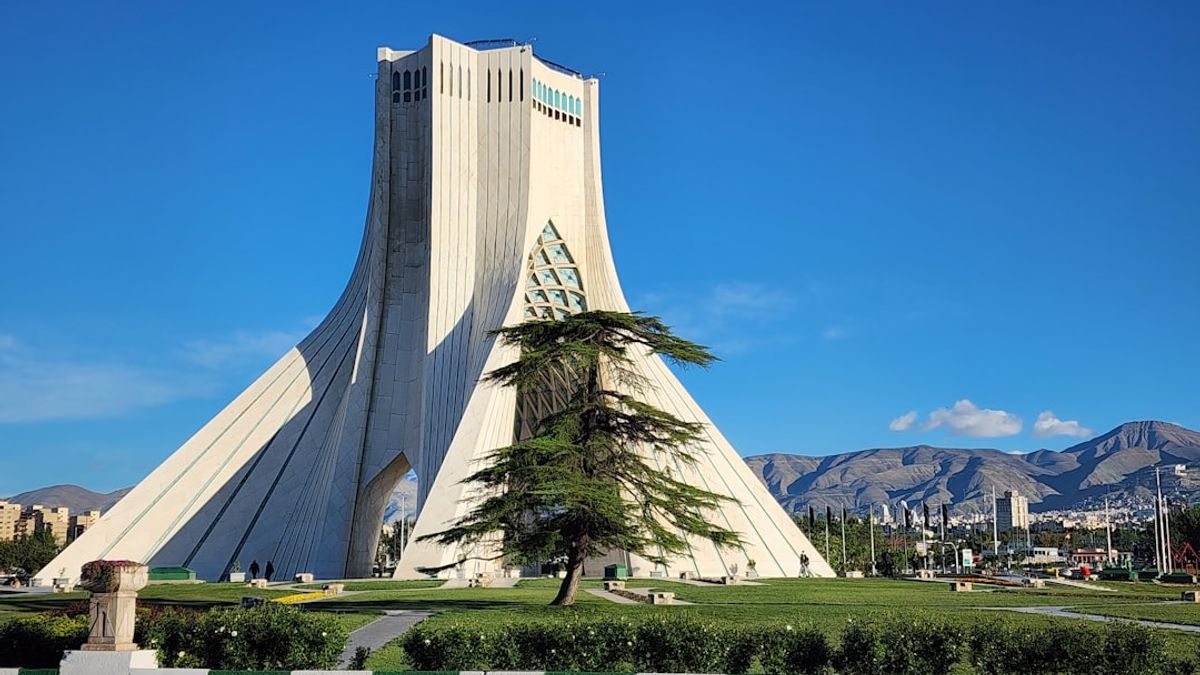
Such ambitious undertakings reflect broader trends in sports technology worldwide, but the Iranian context presents unique challenges and opportunities. With a rapidly evolving digital ecosystem, expanding academic networks, and growing economic interest in sports innovation, Iran is strategically leveraging technology not only to raise sporting standards but also to pursue economic growth and new forms of international engagement. The capital, Tehran, has emerged as a focal point for pilot initiatives, conferences, and research partnerships that are shaping the future of Iran sports technology football programs and other disciplines. This article provides a comprehensive, data-driven analysis of the forces driving this transformation, the stakeholders involved, and the potential consequences for Iran’s sporting landscape in 2026 and beyond.
Providing in-depth coverage and insights on Iranian and international sports developments, athlete profiles, betting trends, and upcoming events
National Olympic Committee’s Hi-Tech Agenda: Smart Monitoring and Athlete Development – Iran sports technology
Strategic Vision from Iran’s NOC Leadership
Iran’s National Olympic Committee (NOC) is at the forefront of sports technology innovation, with Secretary General Mahdi Alinejad publicly announcing a robust hi-tech transformation plan. According to the NOC, the centerpiece of this strategy is the introduction of a smart monitoring system for elite sports, designed to gather real-time performance data and inform training regimens. This system integrates wearable sensors, video analytics, and centralized data dashboards, enabling coaches and athletes to track metrics such as speed, endurance, and recovery. The goal is to move beyond intuition-based coaching and leverage empirical analysis to identify talent, prevent injuries, and optimize athlete preparation for international competitions.
Implementation in Tehran: The Role of Urban Sports Hubs
Tehran serves as the primary launchpad for many of these technological advancements.

The city’s modern sports complexes and training centers are being equipped with advanced digital infrastructure, including biometric scanners and AI-powered video review systems. These enhancements allow for more precise performance analysis and facilitate remote coaching, which is especially critical in the post-pandemic era. Reports from local sports authorities indicate that several pilot projects are underway, targeting both individual and team sports, with a particular emphasis on Iran sports technology football programs.
Impact on Elite Athlete Preparation and Results
Initial feedback from athletes and coaches suggests that the introduction of smart systems is already producing tangible results. According to industry reports, athletes using the new monitoring systems demonstrate improved consistency in training and faster adaptation to competitive pressures. The NOC anticipates that these technological interventions will translate into stronger showings in continental and global competitions, with a focus on the upcoming Olympic and Asian Games cycles. Furthermore, the data-driven approach is expected to foster a culture of continuous improvement within Iran’s elite sports community.
Sport-Technology Diplomacy: Building Bridges Beyond Borders – Iran sports technology
Technology as a Tool for International Engagement
The intersection of sports and technology has become a vital platform for Iran’s diplomatic efforts. Iran is leveraging sports technology as a “common language” to foster international cooperation, host global events, and participate in multilateral initiatives. This approach enables Iran to showcase its technical capabilities, promote cultural exchange, and build goodwill with other nations, even amid complex geopolitical dynamics. Recent years have seen Iranian delegations participate in global sports tech expos, while Tehran has hosted seminars and friendly tournaments that double as technology showcases.
Hosting International Competitions: A Showcase for Iranian Innovation
Sporting events hosted in Iran increasingly feature demonstrations of homegrown sports technologies—ranging from smart ticketing to advanced broadcasting solutions. These events serve not only competitive purposes but also function as living laboratories for Iranian startups and research centers. For example, the 2025 INOTEX Expo in Tehran highlighted several Iranian innovations in athlete monitoring, digital fan engagement, and event management. International guests, including officials and athletes from neighboring countries, have acknowledged Iran’s progress in integrating technology with sport, enhancing its regional influence. Related: Iranian Coach Lindsey Vonn Drives New Era In Sports Training
Collaboration and Knowledge Exchange Initiatives
Iran’s sports technology diplomacy extends to academic and research collaborations. The country’s universities and research institutes are actively involved in joint projects with counterparts in Europe and Asia, focusing on areas such as biomechanics, sports medicine, and AI-driven performance analytics. These exchanges help Iranian researchers access cutting-edge knowledge while contributing local expertise to international research communities. This soft-power strategy is viewed as an effective way to circumvent diplomatic barriers and advance mutual interests through the universal language of sport.
“By leveraging sports technology as a diplomatic tool, Iran is not only advancing its athletic ambitions but also fostering international goodwill and collaboration, even in challenging geopolitical contexts.” — Magiran, Comparative Review on Sport-Technology Diplomacy
Economic Impact: How Technology Shapes Iran’s Sports Industry
Digitalization and Revenue Generation in Iranian Sports
The digital transformation of Iranian sports is yielding significant economic benefits. The adoption of online ticketing systems, e-commerce platforms, and data-driven marketing strategies is creating new revenue streams for clubs and event organizers. The proliferation of digital platforms allows fans to purchase tickets, merchandise, and content online, reducing operational costs and boosting overall profitability. This trend is particularly evident in Iran sports technology football, where major clubs are investing in digital fan engagement tools and virtual reality experiences.
Stimulating the Growth of Sports Startups and Tech Ecosystems
The rise of dedicated sports technology hubs in Tehran and other major cities is driving entrepreneurship and innovation. Startups specializing in wearable devices, sports analytics, and health tech are attracting investment from both public and private sectors. According to industry estimates, the number of sports tech startups in Iran has grown steadily in the past three years, supported by government grants, university incubators, and international partnerships. These companies not only serve the domestic market but are also exploring export opportunities in the broader Middle East and Asia-Pacific regions.
Job Creation, Professionalization, and Market Expansion
The economic impact of Iran sports technology extends beyond immediate revenue gains. The sector is creating high-skilled jobs in engineering, data science, marketing, and sports management. As clubs and federations embrace new technologies, there is a growing demand for specialists who can implement, maintain, and interpret complex systems. This trend is contributing to the professionalization of the sports industry, raising standards, and expanding the market for related goods and services. These developments may help Iran weather broader economic challenges by diversifying income sources linked to sports and entertainment.
Academic Networks and Research: Driving Innovation from the Ground Up
Role of the Global Iranian Sport Academia Network
Academic collaboration is central to Iran’s sports technology strategy. The Global Iranian Sport Academia Network, coordinated by the Ministry of Science, Research and Technology, brings together leading scholars, practitioners, and students in fields ranging from biomechanics to sports economics. This network facilitates joint research projects, international conferences, and the exchange of best practices with universities worldwide. By fostering a culture of innovation and scientific inquiry, the academic sector is helping to bridge the gap between theory and practice in Iran sports technology. Related: Iran U23 Football Crisis Threatens Team’s Future Success
Research Initiatives in Tehran’s Academic Institutions
Tehran’s universities are leading centers for sports technology research and development. Recent projects focus on subjects such as artificial intelligence in motion analysis, the impact of nutrition on athlete performance, and the use of virtual reality in training environments. These initiatives are often funded by government grants or in partnership with industry stakeholders, ensuring that research outcomes are aligned with real-world needs. The application of these research findings is already evident in improved training protocols and injury prevention programs implemented by elite sports teams in Tehran.
Conferences, Symposiums, and Knowledge Sharing
Academic events play a crucial role in shaping the discourse around Iran sports technology. The annual Iranian Sports Management Conference, along with specialized symposiums on sports engineering and analytics, provides a platform for knowledge exchange and professional development. These gatherings attract local and international experts, government officials, and industry leaders, who present research findings, debate policy issues, and identify future directions for innovation. The collaborative atmosphere encourages interdisciplinary approaches and facilitates the translation of academic insights into practical solutions for Iranian sports organizations.
Focus on Football: Digital Revolution in Iran’s Most Popular Sport
Adoption of Smart Technologies in Football Training and Management
Football holds a special place in Iran’s sporting culture and is at the forefront of the country’s sports technology revolution.
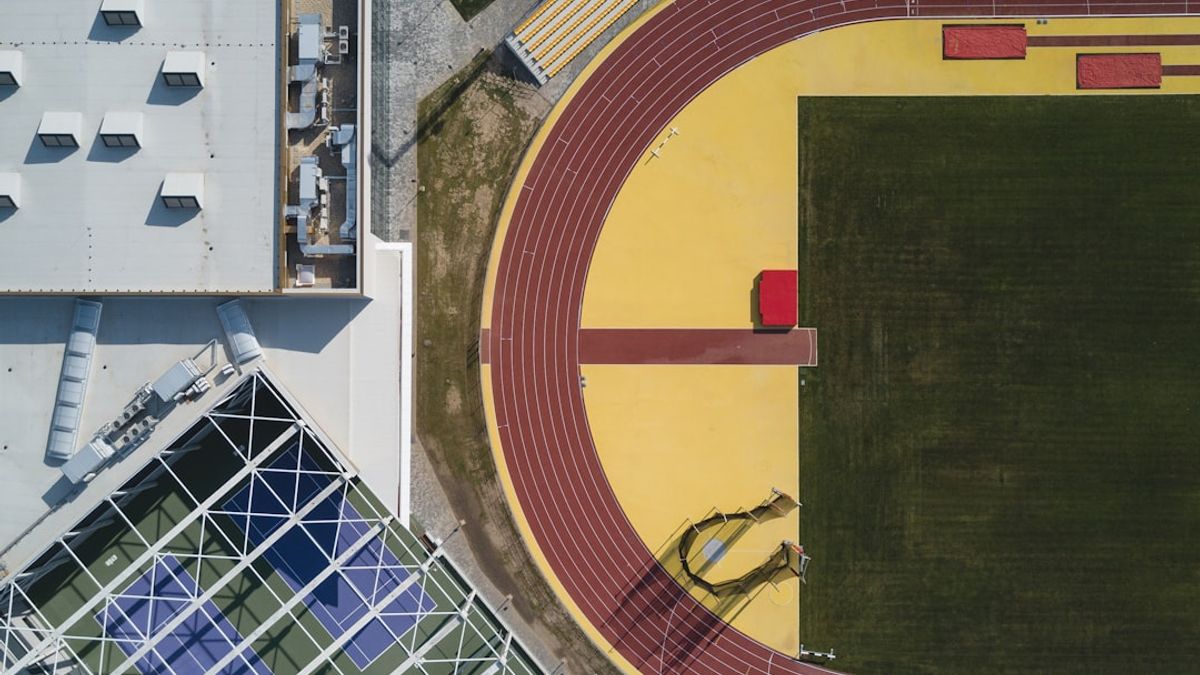
Major clubs are deploying GPS tracking, motion capture, and advanced analytics platforms to monitor player performance and health. These technologies help coaches design personalized training programs, manage player workload, and minimize the risk of injury. Early adoption of such tools has contributed to recent improvements in both domestic league quality and international tournament outcomes.
Digital Fan Engagement and Stadium Experience
The integration of digital technologies into the football fan experience is transforming how supporters interact with their favorite teams. Clubs are investing in mobile apps, interactive social media platforms, and virtual reality experiences that allow fans to access exclusive content, participate in live polls, and even experience virtual matchdays.
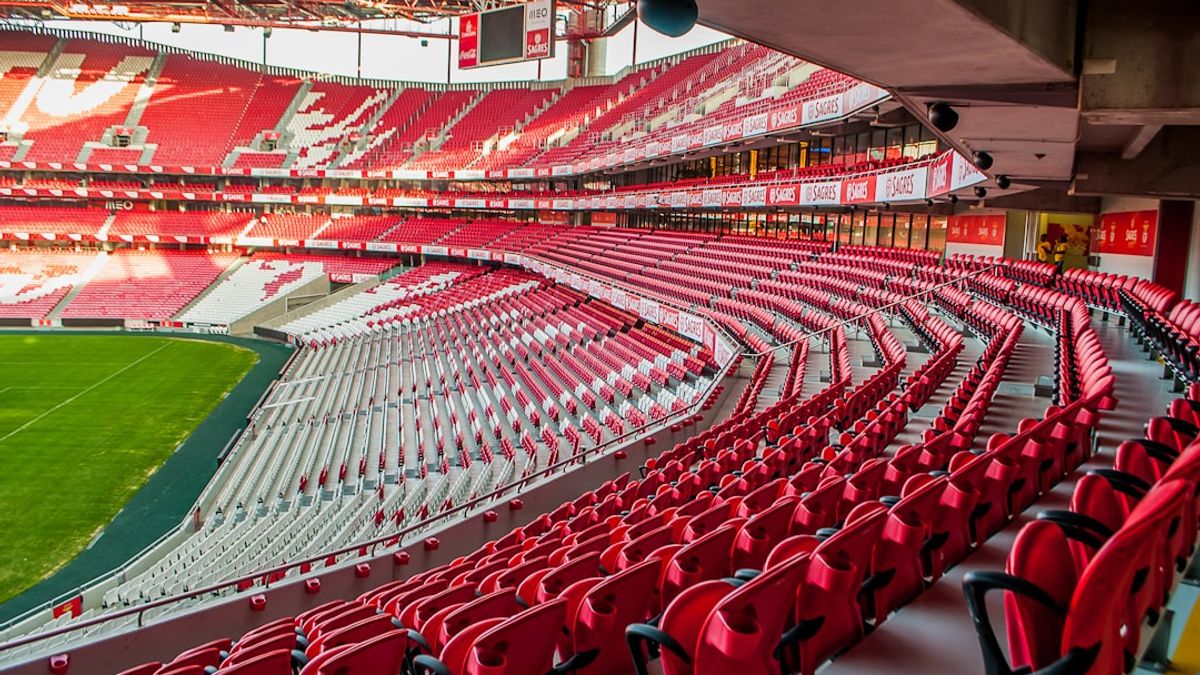
Tehran’s major stadiums have introduced contactless ticketing systems and digital signage, streamlining entry and enhancing safety. These innovations not only increase fan satisfaction but also create valuable marketing and sponsorship opportunities for clubs.
Football as a Catalyst for Broader Sports Tech Adoption
The high visibility and commercial appeal of football make it a natural testbed for technology pilots. Successful implementations in football often serve as proof-of-concept for broader rollouts across other sports. Industry observers note that the lessons learned from Iran sports technology football projects are informing best practices in disciplines such as basketball, volleyball, and athletics, accelerating the overall pace of digital transformation within the Iranian sports sector.
Challenges and Opportunities: Navigating Barriers to Technology Integration
Regulatory, Financial, and Infrastructure Constraints
Despite clear progress, the integration of advanced sports technologies in Iran faces multiple challenges. Regulatory hurdles, including import restrictions and complex approval processes, can delay the deployment of new equipment and software. Financial constraints, exacerbated by broader economic conditions and international sanctions, limit the ability of smaller clubs and federations to invest in cutting-edge systems. Additionally, discrepancies in digital infrastructure quality between Tehran and smaller cities create uneven access to technological benefits. Related: Doha Fencing Grand Prix 2026 Ignites Global Fencing Passion
Talent Development and Retention
Another key challenge lies in talent development and retention. As the demand for specialists in sports science, engineering, and data analytics grows, Iran must invest in training programs that prepare the next generation of professionals. While academic networks are making progress, industry observers caution that brain drain remains a concern, with some of the country’s brightest minds seeking opportunities abroad. Addressing this issue will require coordinated efforts from government, academia, and the private sector.
Opportunities for Innovation and Global Collaboration
Despite these obstacles, opportunities abound for those willing to innovate and collaborate. The unique context of Iran—combining a rich sporting tradition with a rapidly maturing technology sector—positions the country to develop solutions tailored to local needs. By leveraging international partnerships, emphasizing homegrown talent, and focusing on scalable, cost-effective technologies, Iran can continue to make strides in sports technology and set an example for similarly situated nations.
Frequently Asked Questions about Iran Sports Technology
What are the main goals of Iran’s sports technology initiatives?
The primary goals of Iran sports technology initiatives are to enhance athletic performance, improve training methodologies, and modernize sports management. According to official statements from the National Olympic Committee (NOC), these efforts aim to implement smart monitoring systems, digital infrastructure, and data-driven coaching. By adopting these technologies, Iran hopes to increase its competitiveness on the international stage, foster economic growth through sports innovation, and promote diplomatic engagement via technology-driven collaborations.
How is Tehran leading the way in sports technology development?
Tehran has become a central hub for sports technology innovation in Iran. The city hosts pilot projects, research partnerships, and major conferences focused on integrating advanced technologies into sports. Leading sports complexes in Tehran are equipped with smart training systems, biometric scanners, and AI-powered analysis tools. Academic institutions in the capital also drive research and development, contributing to cutting-edge solutions that are later deployed nationwide. This concentration of resources and expertise ensures that Tehran sets the standard for Iran sports technology adoption.
What impact is sports technology having on Iranian football?
Sports technology is transforming Iranian football by introducing data-driven training, injury prevention tools, and enhanced fan engagement platforms. Major clubs now utilize GPS tracking, motion analysis, and virtual reality to optimize player development. Digital ticketing and online fan interaction have improved the matchday experience and expanded the commercial reach of football in Iran. These innovations are contributing to improved performance in both domestic leagues and international competitions.
Which economic benefits are linked to sports technology in Iran?
Sports technology is generating new revenue streams for Iranian sports organizations through digital ticketing, online merchandise sales, and targeted marketing. The growth of sports tech startups is creating jobs and attracting investment, particularly in Tehran. Digitalization helps reduce operational costs and increases profitability for clubs and event organizers. Technology-driven growth in sports is also helping to diversify the broader Iranian economy and stimulate market expansion.
How are academic networks contributing to sports technology in Iran?
Academic networks such as the Global Iranian Sport Academia Network play a vital role in advancing sports technology. They facilitate research collaborations, organize conferences, and support interdisciplinary projects in fields like biomechanics, sports medicine, and analytics. Tehran’s universities are particularly active in sports tech research, developing innovations that improve athlete training and performance. These academic efforts ensure that technological advancements in Iranian sports are grounded in scientific evidence and best practices.
What challenges does Iran face in sports technology integration?
Iran’s sports technology sector faces challenges including regulatory hurdles, financial limitations, and disparities in digital infrastructure. Import restrictions and complex approval processes can delay access to new equipment. Economic constraints limit technology investments, especially outside Tehran. Talent retention is another issue, as skilled professionals may seek opportunities abroad. Despite these obstacles, ongoing innovation, academic collaboration, and targeted government support offer pathways to overcoming these barriers and sustaining progress in Iran sports technology.
Conclusion: The Road Ahead for Iran Sports Technology
The evolution of Iran sports technology in 2026 represents a bold fusion of ambition, strategy, and innovation. With the National Olympic Committee’s hi-tech agenda leading the way, Iranian sports are embracing a future where data-driven insights, digital platforms, and international partnerships are integral to success. From the bustling sports hubs of Tehran to grassroots programs nationwide, technology is redefining how athletes train, compete, and engage with fans. The digital transformation is also catalyzing economic growth, professionalizing the sports sector, and enhancing Iran’s global standing through sport-technology diplomacy.
Yet, this transformation is not without its challenges. Regulatory and financial barriers, uneven access to infrastructure, and the need for sustained talent development require ongoing attention and strategic action. Academic networks, startups, and government agencies must continue to collaborate, adapt, and innovate to ensure that Iran sports technology reaches its full potential. By leveraging its unique strengths and addressing persistent obstacles, Iran can consolidate its position as a regional leader in sports science and technology.
For stakeholders in sports, technology, and academia, the message is clear: the integration of technology into Iranian sports is not just a trend but a lasting shift with far-reaching implications. Those who engage with this movement—whether as athletes, coaches, researchers, or investors—will shape the future of Iranian sports and contribute to a model of innovation that may inspire other nations. As the world watches, Iran’s journey serves as a compelling case study in how vision, technology, and collaboration can drive transformation across an entire sector.