

The Elite Eight round of the NCAA Tournament delivered everything that March Madness promises and more. Four games, four distinct narratives, and one result so extraordinary that it will be discussed for decades. When the dust settled on a weekend that pushed players, coaches, and fans to their emotional limits, four teams remained standing: Arizona, Illinois, Michigan, and UConn. Each earned their place in Indianapolis through performances that ranged from dominant to desperate, from clinical to chaotic.
For those who followed our coverage from the NCAA Sweet 16 upsets and highlights, the Elite Eight delivered on every storyline that had been building through the earlier rounds. What the Sweet 16 suggested, the Elite Eight confirmed: this is a tournament defined by resilience, individual brilliance, and the thin margins that separate glory from heartbreak in single-elimination basketball.
Arizona Defeats Purdue: Discipline Over Power
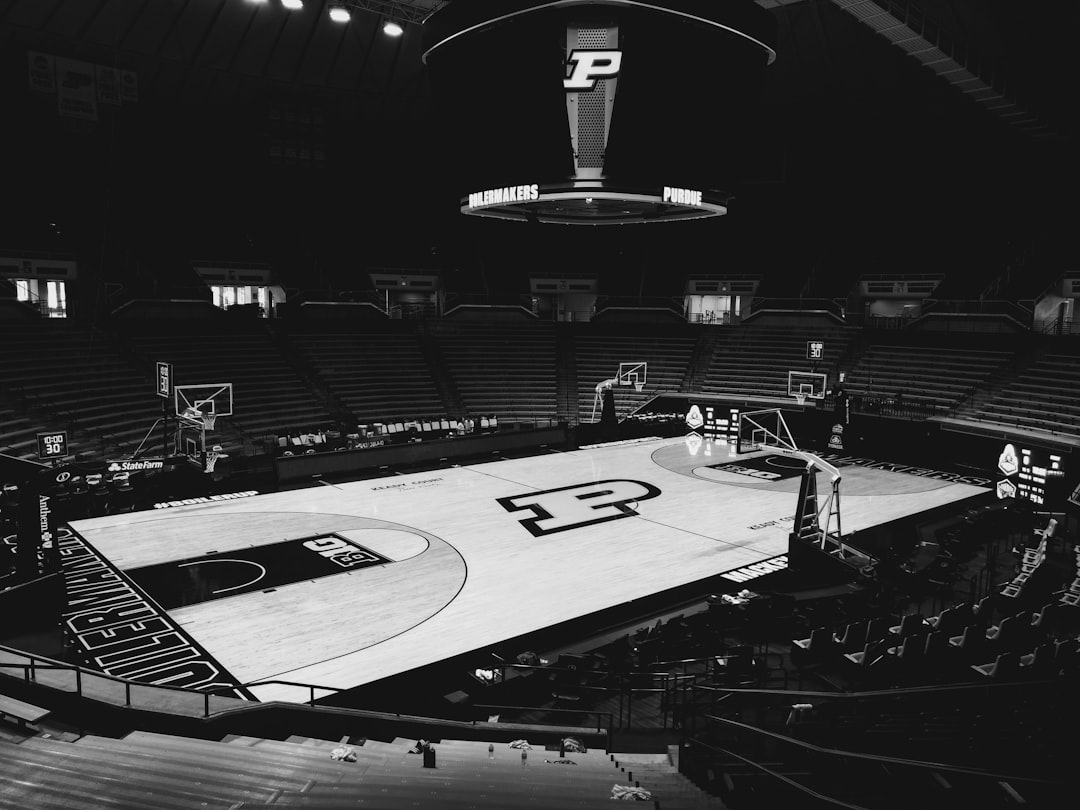
The first Elite Eight game set the tone for the weekend. Arizona, the South Region’s top seed, faced a Purdue team that had been the tournament’s most physically imposing side, built around their dominant frontcourt and the relentless interior presence that had overwhelmed every opponent through the first four rounds. The matchup appeared to favor Purdue’s size advantage, but Arizona’s coaching staff had other ideas.
Head coach Tommy Lloyd deployed a switching defensive scheme that neutralized Purdue’s post-entry game and forced the Boilermakers into contested mid-range jump shots that they had avoided all tournament. Arizona’s guards, led by the outstanding Caleb Love, controlled the tempo throughout, pushing the pace in transition while also executing with precision in the half-court. Love finished with 24 points, seven assists, and just two turnovers in a masterclass of point guard play.
The final score of 78-68 did not fully capture Arizona’s dominance. They led by as many as 16 in the second half before Purdue’s late rally made the margin more respectable. Arizona’s three-point shooting, hitting 10 of 22 attempts, stretched Purdue’s defense to its breaking point and opened driving lanes that the Wildcats exploited with clinical efficiency. The victory extended Arizona’s winning streak to 14 games and confirmed them as legitimate national title contenders.
Key Statistical Breakdown: Arizona vs. Purdue
| Statistic | Arizona | Purdue |
|---|---|---|
| Points | 78 | 68 |
| Field Goal % | 48.3% | 41.7% |
| 3-Point % | 45.5% | 28.6% |
| Rebounds | 34 | 38 |
| Turnovers | 9 | 14 |
| Fast Break Points | 18 | 6 |
Illinois Over Iowa: The Big Ten Showdown
The all-Big Ten matchup between Illinois and Iowa was anticipated as the most competitive game of the Elite Eight, and it lived up to every expectation. Both teams had navigated their brackets with a combination of offensive firepower and defensive grit, and their familiarity from regular-season meetings added a layer of tactical sophistication that elevated the contest beyond a typical tournament game.
Illinois prevailed 82-76 in a game that featured 18 lead changes and was never separated by more than eight points. The Fighting Illini’s balanced scoring attack, with four players reaching double figures, proved decisive against Iowa’s more top-heavy offensive approach. Terrence Shannon Jr. led the way with 22 points, but it was the contributions of role players, particularly a crucial 12-point outing from reserve guard Jayden Epps, that tilted the balance.
Iowa’s offense, which had averaged 88 points per game through the first four rounds, was held to its lowest output of the tournament. Illinois’s defensive switching and their ability to contest shots without fouling disrupted Iowa’s rhythm and forced difficult shot selection in critical possessions. The Hawkeyes’ star guard struggled with Illinois’s physical perimeter defense and finished with just 18 points on 6-of-19 shooting.
A Battle of Coaching Philosophies
The tactical contrast between the two programs was fascinating. Illinois head coach Brad Underwood deployed a 2-3 zone for extended stretches in the second half, a departure from his usual man-to-man approach that caught Iowa off guard. The zone compressed Iowa’s driving lanes and forced them into contested three-pointers, an area where they shot just 6-of-24 for the game. Iowa’s coach attempted to counter with dribble-drive action and high ball screens, but Illinois’s length and activity in the passing lanes generated turnovers at crucial moments.
The victory sent Illinois to their first Final Four since 2005, a drought that had defined the program’s recent history. The emotional scenes on the court afterward, with players and coaching staff embracing while the arena erupted, captured the essence of what makes March Madness the most compelling event in American college sports.
Michigan Stuns Tennessee: The Upset of the Round
On paper, Michigan’s path to the Elite Eight had been the most improbable of any remaining team. As an 8-seed, they had already exceeded expectations by reaching this stage, and few outside Ann Arbor gave them a realistic chance against Tennessee, the East Region’s top seed and one of the most complete teams in the country. Michigan, however, had not read the script.
The Wolverines’ 71-65 victory was built on an extraordinary defensive effort that limited Tennessee to their lowest scoring output since November. Michigan’s game plan was clear from the opening possession: pack the paint, force Tennessee’s guards into contested three-pointers, and make them uncomfortable in the half-court. It worked to perfection. Tennessee shot just 38 percent from the field and made only 4 of 18 three-point attempts, numbers that would have been unthinkable based on their regular-season averages.
Michigan’s offensive approach was equally disciplined. Rather than trying to match Tennessee’s athleticism, they slowed the pace, ran sets through multiple ball reversals, and looked for high-percentage shots near the basket. Their patience in the half-court was rewarded with 16 trips to the free-throw line, where they converted 13 attempts. When Tennessee attempted to press and increase the tempo in the final 10 minutes, Michigan’s guards handled the pressure with composure that suggested a team far more experienced than their seeding indicated.
Readers following the broader basketball landscape may also be interested in our analysis of the NBA Western Conference playoff picture, which provides context for how college basketball performances translate to professional potential.
UConn’s Historic Comeback Against Duke: 19 Down, Never Out
And then there was UConn versus Duke. In a tournament that had already produced memorable moments, the Huskies authored what may be the greatest comeback in Elite Eight history. Trailing by 19 points with 14 minutes remaining, UConn appeared finished. Duke’s defense had been suffocating, their offense was clicking on all cylinders, and the Blue Devils’ fans in attendance were already celebrating what seemed like an inevitable Final Four berth.
What followed was 14 minutes of basketball that defied logic, probability, and the fundamental assumption that a 19-point deficit against an elite opponent in a tournament setting is insurmountable. UConn coach Dan Hurley went to a full-court press that disrupted Duke’s previously composed ball-handling. The turnovers came in bunches: three in a span of 90 seconds, each converted into fast-break points that shifted the energy in the arena from celebration to anxiety.
The three-point shooting that had abandoned UConn in the first half suddenly returned with a vengeance. Tristen Newton hit consecutive threes to cut the deficit to 11. Alex Karaban buried a corner three to make it eight. And when Stephon Castle drove the lane and finished through contact for an and-one that brought UConn within five, the comeback felt not just possible but inevitable.
The Final Four Minutes That Shook College Basketball
Duke’s response, or lack thereof, will be analyzed for years. A program that had been among the most composed in the tournament suddenly looked paralyzed. Their guards, who had been surgical in the first 30 minutes, began making uncharacteristic mistakes under UConn’s relentless pressure. Two missed free throws, a turnover on an inbound pass, and a rushed three-pointer that found only air gave UConn the opportunities they needed.
The tying basket came from Newton, who split two defenders in the lane and laid the ball in with 2:41 remaining. The go-ahead score came from Castle, whose step-back three with 1:08 on the clock will be replayed on highlight reels for generations. Duke had one final chance to force overtime, but their potential game-tying three-pointer rimmed out as the buzzer sounded, confirming UConn’s 83-80 victory and one of the most remarkable results in NCAA Tournament history.
According to NCAA.com’s tournament coverage, UConn’s 19-point comeback was the largest in Elite Eight history, surpassing the previous record of 16 points set in 1992. The statistical improbability of the result, teams trailing by 19 or more points in the second half of tournament games had won just 1.3 percent of the time, underscores the extraordinary nature of what UConn achieved.
Elite Eight Results Summary
| Game | Winner | Score | Loser | Key Stat |
|---|---|---|---|---|
| South Final | Arizona (1) | 78-68 | Purdue (2) | Love: 24 pts, 7 ast |
| Midwest Final | Illinois (2) | 82-76 | Iowa (3) | 4 players in double figures |
| East Final | Michigan (8) | 71-65 | Tennessee (1) | Tennessee held to 38% FG |
| West Final | UConn (3) | 83-80 | Duke (2) | 19-pt comeback (record) |
What the Elite Eight Tells Us About the Final Four
The four remaining teams present a fascinating array of styles and strengths. Arizona’s balanced attack and three-point shooting make them dangerous against any opponent. Illinois’s defensive versatility and coaching adjustments suggest a team capable of adapting to any matchup. Michigan’s disciplined, methodical approach could frustrate more talented opposition. And UConn’s mental resilience, proven beyond any doubt against Duke, makes them the most dangerous team in the field.
The semifinal matchups, Michigan vs. Arizona and Illinois vs. UConn, promise contrasting styles and compelling narratives. As noted in our earlier March Madness tournament guide, the depth of talent in this year’s bracket has been exceptional, and the Elite Eight results confirmed that prediction.
What makes this Final Four particularly intriguing is the absence of traditional blue-blood dominance. While Arizona and UConn carry storied histories, the presence of Michigan as an 8-seed and Illinois making their first Final Four appearance in over two decades adds an element of unpredictability that embodies the spirit of March Madness. For analysis of the bracket and matchup previews, ESPN’s tournament bracket provides comprehensive coverage of every result and upcoming fixture.
The games in Indianapolis will determine which program writes the final chapter of a tournament that has already exceeded expectations. If the Elite Eight was any indication, the Final Four will deliver drama that only March Madness can provide. Further analysis from BBC Sport’s basketball coverage offers an international perspective on the global appeal of the NCAA Tournament.
The Tournament’s Statistical Story
The Elite Eight round provided a wealth of statistical insight that helps contextualize the performances of the four advancing teams. Across the four games, the winning teams averaged 78.5 points compared to 72.3 for the losing sides. The margin of victory, averaging 8.5 points, was the narrowest for any Elite Eight round in the past decade, reflecting the quality and competitiveness that defined this stage of the tournament.
Three-point shooting proved decisive in three of the four games. Arizona’s 45.5 percent mark from beyond the arc was the best of any team in the Elite Eight, and their ability to stretch Purdue’s interior-focused defense was the tactical key to their victory. UConn’s three-point shooting during their comeback run, hitting 7 of 12 attempts in the final 14 minutes, transformed the geometry of the game and forced Duke out of the defensive shell that had been suffocating the Huskies in the first half.
Turnover differential was another decisive factor. The four winning teams committed a combined 38 turnovers compared to 52 for the losing teams. Arizona’s nine turnovers against Purdue were the fewest by any team in the round, and their care with the basketball allowed them to maximize possessions and maintain control of the game’s tempo. Conversely, Duke’s turnovers in the final 14 minutes against UConn, nine in that span alone, were the direct catalyst for the Huskies’ comeback.
Free Throw Shooting Under Pressure
Free throw shooting, often described as the simplest yet most psychologically demanding aspect of basketball, played a crucial role across the four games. The winning teams shot a combined 83 percent from the line, while the losing teams managed just 69 percent. Michigan’s 13-of-16 performance from the free throw line against Tennessee was particularly impressive given the pressure of the situation, with several of those makes coming in the final three minutes when the game was still in the balance.
The contrast in rebounding tells its own story. While Purdue won the rebounding battle against Arizona 38-34, the Wildcats’ superior transition game and fast-break execution meant that their fewer possessions were used more efficiently. Illinois outrebounded Iowa by seven, giving them the additional possessions that proved crucial in a game decided by just six points. Michigan’s ability to compete on the glass against Tennessee’s more physically imposing frontcourt was one of the most impressive aspects of their performance, as the Wolverines conceded just four offensive rebounds in the entire game.
Defensive efficiency ratings further illustrate why these four teams advanced. Arizona held Purdue to 0.87 points per possession, well below the Boilermakers’ season average of 1.12. Michigan’s defensive rating against Tennessee was even more impressive at 0.83 points per possession, the lowest figure recorded by any team in this year’s tournament. These numbers reflect the tactical preparation and execution that separates tournament contenders from pretenders at this stage of the competition.
Impact on the NBA Draft Landscape
The Elite Eight performances have had immediate implications for the upcoming NBA Draft. Several players elevated their stock with standout performances on the biggest stage, while others saw their draft projections complicated by underwhelming displays under tournament pressure. NBA scouts, who were present in significant numbers at all four venues, have adjusted their evaluations based on what they witnessed.
Caleb Love’s masterclass against Purdue confirmed what NBA front offices have known all along: the Arizona guard has the skill set, the composure, and the competitive fire to succeed at the professional level. His ability to control the game’s tempo, make decisions under pressure, and deliver in clutch moments places him firmly in the lottery conversation. The 24-point, seven-assist, two-turnover stat line was the kind of performance that moves a prospect up draft boards in real time.
Stephon Castle’s heroics for UConn against Duke were the defining moment of the Elite Eight from a draft perspective. The sophomore guard’s go-ahead three-pointer with 68 seconds remaining showed the kind of fearlessness that NBA teams covet in high-pressure situations. His two-way ability, combining perimeter defense with shot creation, makes him one of the most intriguing prospects in the class. The UConn pipeline to the NBA has been well-established in recent years, and Castle’s tournament performance has positioned him as the next product of that program to make an immediate impact at the professional level.
Frequently Asked Questions
Who won the Elite Eight games in March Madness?
Arizona defeated Purdue 78-68, Illinois beat Iowa 82-76, Michigan topped Tennessee 71-65, and UConn completed a stunning 19-point comeback to beat Duke 83-80.
What was UConn’s comeback against Duke?
UConn trailed Duke by 19 points in the second half before mounting the largest comeback in Elite Eight history. Full-court pressure, clutch three-point shooting from Tristen Newton, and Stephon Castle’s go-ahead three with 68 seconds remaining sealed the victory.
Which teams made the Final Four?
Arizona, Illinois, Michigan, and UConn advanced to the Final Four in Indianapolis. The semifinal matchups are Michigan vs. Arizona and Illinois vs. UConn.
Where is the Final Four being held?
The Final Four is being held at Lucas Oil Stadium in Indianapolis, Indiana, one of the premier venues in American sports and a regular host of major NCAA events.
What was the biggest upset in the Elite Eight?
Michigan’s victory over top-seeded Tennessee as an 8-seed was the biggest upset by seeding, while UConn’s 19-point comeback against Duke was the most dramatic result in terms of in-game circumstances.