The Kurash Comeback: How Iran is Reviving an Ancient Wrestling Art
Kurash, an ancient form of wrestling that originated in Central Asia, is experiencing a remarkable resurgence in Iran, a country steeped in rich cultural heritage. As a sports journalist based in Tehran, I’ve had the privilege of witnessing firsthand the vibrant revival of this ancient sport. My journey began when I stumbled upon a local Kurash competition while covering another event. The energy in the arena was palpable, and I was immediately drawn into the world of Kurash—a sport that embodies strength, strategy, and tradition.
Kurash’s Ancient Roots: A Journey Through Central Asian History
The history of Kurash can be traced back over 3,500 years, originating in the Fergana Valley, a region historically linked to Persia. The name “Kurash” translates to “reaching a goal in an honest way,” which perfectly encapsulates the spirit of the sport. This ancient wrestling art is believed to have been practiced by nomadic tribes, serving as both a means of physical competition and a way to settle disputes.
Kurash is recognized not only for its athleticism but also for its deep cultural significance. In 2018, UNESCO designated Kurash as an Intangible Cultural Heritage of Humanity, acknowledging its role in fostering community and preserving cultural identity. This recognition has fueled a renewed interest in the sport, particularly in Iran, where the government has actively supported its growth.
Kurash in Iran: A Resurgence of National Pride
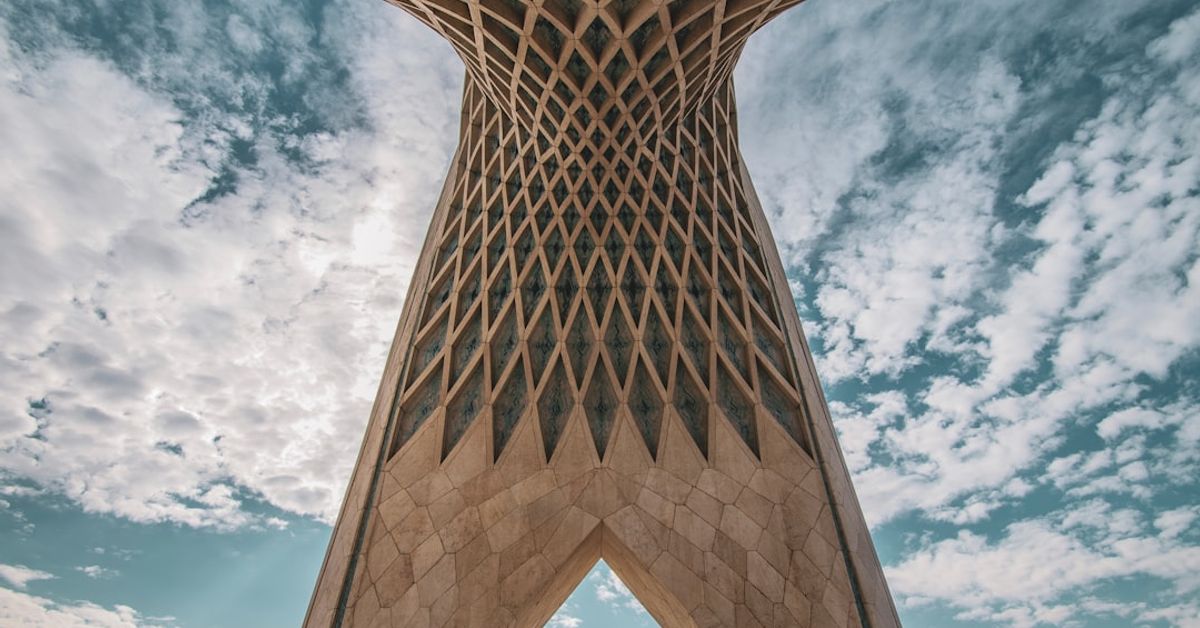
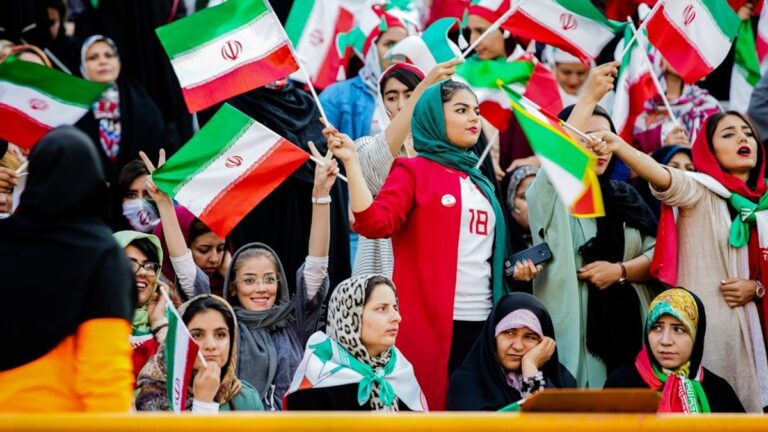
In recent years, Kurash has become a source of national pride for Iranians. The sport’s resurgence is a reflection of the country’s desire to reconnect with its historical roots while showcasing its rich cultural heritage on the global stage. The Iranian government has recognized the importance of Kurash, providing support at the grassroots level and integrating it into physical education programs in schools.
This revival has sparked a wave of enthusiasm, with local clubs and academies springing up across the country. I remember attending a youth Kurash tournament where young wrestlers, clad in traditional attire, showcased their skills. The excitement and passion of the participants were infectious, and it was clear that Kurash was more than just a sport; it was a way for the youth to connect with their heritage.
From Tradition to Modern Sport: The Evolution of Kurash’s Rules
As Kurash has evolved, so have its rules and regulations. Traditional Kurash emphasized throws and takedowns, prohibiting ground fighting, which sets it apart from other wrestling styles. The modern version of Kurash has retained these core principles while adapting to contemporary competition standards.
Competitions are held for both men and women, promoting inclusivity and encouraging participation across genders. The International Kurash Association (IKA) has played a pivotal role in standardizing the rules and organizing international events, further enhancing the sport’s appeal. The IKA is also actively pursuing Olympic recognition for Kurash, which could open new doors for athletes and elevate the sport’s profile worldwide.
Iranian Kurash Champions: Leading the Charge on the World Stage
Iran has produced several prominent Kurash athletes who have made their mark on the international stage. Names like **Mohammad Javad Shamsaei** and **Fatemeh Shamsaei**, among others, have become synonymous with excellence in Kurash. Their dedication and skill have not only brought home medals but have also inspired a new generation of wrestlers to take up the sport.
Iran regularly hosts international Kurash tournaments, which attract competitors from around the world. These events not only showcase the talents of Iranian athletes but also foster camaraderie among nations, strengthening ties through the shared love of sport. It is a sight to behold—athletes from diverse backgrounds coming together, united by their passion for Kurash.
Kurash’s Growing Global Presence: An Olympic Dream?
As Kurash continues to grow in popularity, the dream of Olympic recognition is becoming more tangible. The IKA is working diligently to meet the requirements set by the International Olympic Committee (IOC), and the support from countries like Iran is crucial in this endeavor. The potential inclusion of Kurash in the Olympics would not only elevate the sport but also provide a platform for its cultural significance to be recognized on a global scale.
The global presence of Kurash is expanding, with competitions being held in various countries, and the sport is gaining traction in regions with strong wrestling traditions. This international expansion is vital for its growth and acceptance, as it allows athletes from different cultures to exchange techniques and philosophies, enriching the sport as a whole.
The Cultural Significance of Kurash: More Than Just a Sport
Kurash is much more than just a competitive sport; it is a symbol of strength, fairness, and cultural identity in Iran. The values it promotes—respect, discipline, and sportsmanship—are integral to the Iranian way of life. In a world often divided by differences, Kurash serves as a unifying force, bringing people together through shared experiences and mutual respect.
Participating in Kurash cultivates a sense of belonging and pride, especially among the youth. It instills important life lessons, such as perseverance in the face of challenges and the importance of teamwork. As I watched young wrestlers battle it out in the ring, I couldn’t help but think of how these experiences would shape their character and contribute to their growth as individuals.
The Future of Kurash: Iran’s Role in its Continued Growth
Looking ahead, Iran is poised to play a significant role in the continued growth of Kurash, both domestically and internationally. With government support and grassroots initiatives, the sport is likely to flourish in the coming years. Iranian Kurash clubs are actively seeking to engage the youth, ensuring that the next generation understands and appreciates the cultural heritage that Kurash represents.
As I reflect on my journey with Kurash, I am filled with hope for its future. The passion of the athletes, the support from the community, and the cultural significance of the sport create a powerful foundation for its growth. Whether through local competitions or international events, Kurash will continue to thrive, and its story will be told for generations to come.
In conclusion, the revival of Kurash in Iran is a testament to the resilience of cultural traditions and the unifying power of sport. As we look forward to a future where Kurash may take its rightful place on the Olympic stage, we should celebrate its rich history and the values it embodies. So, whether you’re a seasoned athlete or someone new to the sport, I invite you to join this journey and witness the magic of Kurash—an ancient art making a stunning comeback.
For further reading, check out the International Kurash Association’s initiatives here, or learn more about the impact of Kurash on Iranian culture from UNESCO here.
By: Leila Farhadi
About the Author
Leila Farhadi
Leila Farhadi is a Tehran-based sports journalist specializing in traditional Iranian sports and martial arts, with a focus on the historical and cultural context of their development.
Persian Sports Legacy
Iran boasts one of the richest sporting traditions in the world, with athletic culture dating back thousands of years. The ancient Persian empire valued physical fitness and martial prowess, creating structured training systems that influenced civilizations across Asia and Europe. This heritage continues to shape Iranian sports culture today, combining traditional values with modern athletic excellence.
Zurkhaneh, the traditional house of strength, represents the quintessential Iranian approach to athletics—combining physical training with spiritual development and cultural values. This ancient institution has produced generations of champions across various sports, particularly wrestling, where Iran consistently ranks among the worlds elite nations.
Iran’s Wrestling Dynasty
Wrestling holds a special place in Iranian culture, considered both a sport and a national treasure. Iranian wrestlers have dominated international competitions for decades, winning numerous Olympic and World Championship medals. The systematic development of wrestling talent, from grassroots programs to elite national teams, serves as a model for sports development globally.
The success of Iranian wrestling reflects the countrys deep investment in combat sports infrastructure. Training centers across the nation identify and develop promising athletes from a young age, providing world-class coaching and facilities. This pipeline of talent ensures Iran remains competitive at the highest levels of international wrestling.
Iran’s Football Journey
Football is the most popular sport in Iran, with millions of passionate fans following both domestic and international competitions. The Persian Gulf Pro League features historic clubs like Persepolis and Esteghlal, whose rivalry is one of the most intense in Asian football. These matches draw massive crowds and capture the nations attention.
Team Melli, the national team, represents Iranian football on the world stage. Multiple World Cup appearances have demonstrated Iran capabilities against global footballing powers. The development of Iranian talent for European leagues has increased international recognition of Iranian football, with players like Sardar Azmoun and Mehdi Taremi showcasing Iranian excellence abroad.
Future Athletic Developments
Beyond traditional strengths, Iran is developing programs in emerging sports to diversify its athletic portfolio. Volleyball has seen tremendous growth, with the national team achieving consistent success in Asian competitions and improving its global ranking. Other sports like basketball, taekwondo, and weightlifting also show promising development.
Investment in sports infrastructure continues to expand opportunities for Iranian athletes. New training facilities, coaching education programs, and athlete support systems are being developed across the country. These investments, combined with Iran rich sporting culture and passionate population, position the nation for continued athletic success in the coming decades.