
Das Geheimnis hinter how to train in Zoorkhaneh martial arts: Alte Kraft und moderne Energie
How to train in Zoorkhaneh martial arts is a question that stirs curiosity, passion, and respect for one of the world’s oldest martial traditions. The Zoorkhaneh, or “House of Strength,” is not just a gym—it’s a living museum of ancient Persian culture, a spiritual sanctuary, and a training ground for both body and mind. In my experience, unlocking the mysteries of Zoorkhaneh training offers not only physical benefits, but also an emotional journey connecting you to centuries of heroic chivalry and discipline. This comprehensive guide will demystify how to train in Zoorkhaneh martial arts, breaking down its rituals, equipment, and unique philosophies. Whether you’re a total beginner, an athlete searching for new challenges, or simply fascinated by ancient sports, you’ll discover actionable steps, inspiring stories, and practical resources—including PDF manuals, videos, and Wikipedia-level insights—that will empower your own path. We’ll draw from authoritative sources such as the Zurkhaneh Guidebook, UNESCO’s recognition of Pahlevani and Zoorkhaneh rituals, and real-life training accounts to answer all your questions. Get ready to step into the circle, feel the drumbeat, and experience the power of tradition and transformation. For a deeper dive, explore AI Revolution in Sports: How Artificial Intelligence Is Creating Unbeatable Athletes and Changing Competition Forever.
Understanding the Origins: What Is Zoorkhaneh Martial Arts?
Editorial team specialized in Iranian and Persian sports with emphasis on traditional martial arts, football, esports, and sports technology innovations, highlighting national teams and youth athlete development.
To truly master how to train in Zoorkhaneh martial arts, it’s essential to understand its roots. Zoorkhaneh, meaning “House of Strength,” is a domed gymnasium where Iranian athletes have gathered for centuries to practice Varzesh-e Pahlavani, a blend of martial arts, calisthenics, and spiritual discipline. According to Wikipedia, the rituals and exercises date back to pre-Islamic Persia, with links to Zoroastrianism and the ancient warrior code.
- Chivalry & Ethics: The code of Javanmardi (manliness and humility) shapes every session, blending strength with virtue.
- Spiritual Undertones: Sessions begin with prayers and end in gratitude, connecting body, mind, and spirit.
- Strength & Combat: Exercises mimic battlefield movements—preparing warriors for wrestling, armed combat, and daily life.
UNESCO recognized Pahlevani and Zoorkhaneh rituals as an Intangible Cultural Heritage of Humanity in 2010. The rituals combine music, poetry, and physical prowess, creating a unique training environment unlike any modern gym. According to the Zurkhaneh Guidebook, these sessions were historically used to train warriors and build resilience, courage, and humility. How To Train In Zoorkhaneh Martial Art
Pahlavani, or Persian heroic sport, is the martial foundation of Zoorkhaneh. It incorporates wrestling, strength training, and meditative practices. As noted in the Iran Press report, Pahlavani is not just about physical power—it’s about cultivating noble character and community spirit. How To Train In Zoorkhaneh Martial Arts showcases h
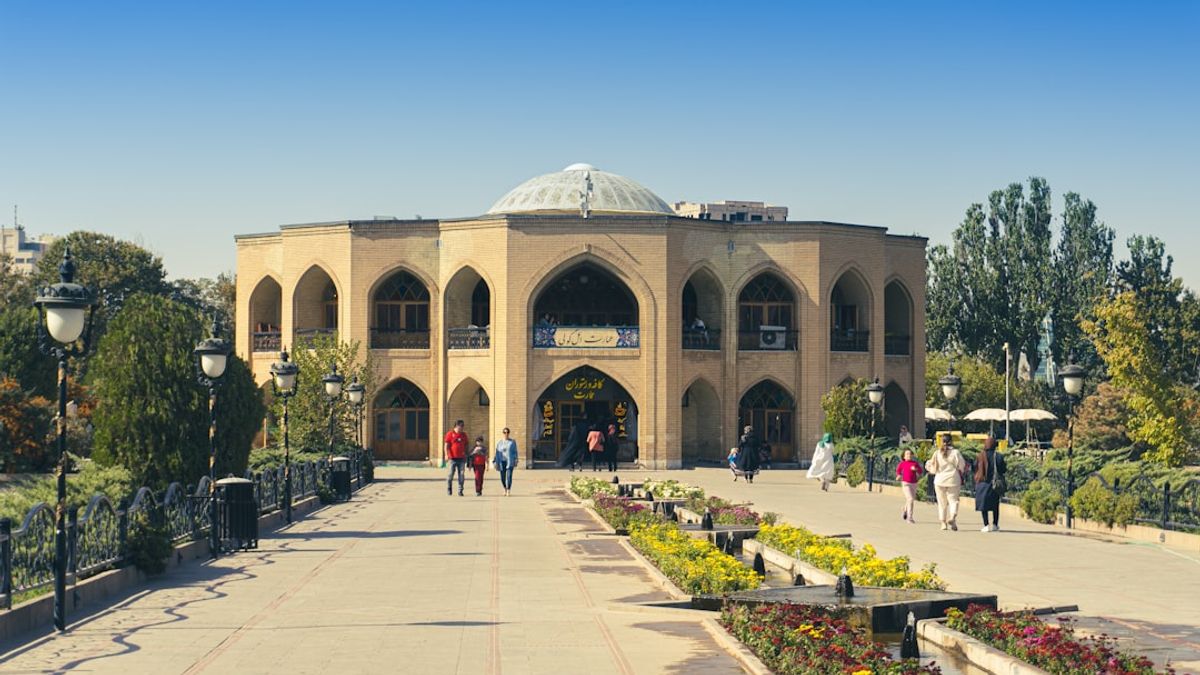
Zoorkhanehs are round, domed buildings with sunken arenas. This design amplifies sound and fosters unity among athletes, while the central position of the Morshed (master) orchestrates the rhythm and flow of training. How To Train In Zoorkhaneh Martial Arts showcase
Today, Zoorkhaneh martial arts have found enthusiasts worldwide, from Iran to Tanzania and beyond. Resources like Wikipedia and YouTube make it easier for beginners to learn about this unique tradition, while PDF guidebooks and training videos provide step-by-step instruction for home practice. How To Train In Zoorkhaneh Martial Arts showcases how elite experiences now demand measurable sustainability.
rest and Global Spread
Today, Zoorkhaneh martial arts have found enthusiasts worldwide, from Iran to Tanzania and beyond. Resources like Wikipedia and YouTube make it easier for beginners to learn about this unique tradition, while PDF guidebooks and training videos provide step-by-step instruction for home practice.
The Rituals and Philosophy: More Than Just Exercise
To understand how to train in Zoorkhaneh martial arts, you must appreciate the deep rituals and philosophy that set it apart from Western fitness systems. Every session in the Zoorkhaneh blends poetry, music, and spiritual devotion with athleticism—creating
According to Tours of Iran, the philosophy centers on unity—between athletes, between mind and body, and with the larger community. The rituals aim to foster humility, respect, and inner strength, not just physical prowess. How To Train In Zoorkhaneh Martial Arts showc
The structured rituals help participants transition into a focused, mindful state. As explained in the Wikipedia entry, these traditions have been passed down for generations, teaching discipline and perseverance. How To Train In Zoorkhaneh Martial Arts showcases how elite experiences now demand measurable sustainability.
m>unity—between athletes, between mind and body, and with the larger community. The rituals aim to foster humility, respect, and inner strength, not just physical prowess.
Why Rituals Matter in Training
The structured rituals help participants transition into a focused, mindful state. As explained in the Wikipedia entry, these traditions have been passed down for generations, teaching discipline and perseverance.
Music’s Role in Movement
The Morshed’s drumming and singing set the pace, much like a conductor leads an orchestra. This rhythm is crucial for synchronizing group movements and building a sense of unity.
Spiritual and Social Dimensions
Training in a Zoorkhaneh is as much about building character as building muscle. According to the Arasbaran report, regulars often report a sense of belonging and spiritual growth, achieved through shared rituals and mutual support.
“The Zoorkhaneh is not only a place of physical training but a sanctuary where tradition, spirituality, and community converge to build both the body and the soul.” – UNESCO Intangible Cultural Heritage Documentation, 2010
Essential Zoorkhaneh Equipment: Tools of Tradition
No guide on how to train in Zoorkhaneh martial arts would be complete without a deep dive into its unique equipment. Unlike modern gyms, Zoorkhaneh uses centuries-old tools, each with its own symbolism and function.
| Equipment | Description | Purpose |
|---|---|---|
| Mila (Clubs) | Wooden clubs, up to 20kg | Shoulder, arm, and core strength |
| Kabbadeh (Bow) | Heavy iron arc with chains, 10-25kg | Grip, back, and chest strength |
| Shena (Push-up Board) | Wooden plank with handles | Push-ups, wrist and arm endurance |
| Sang (Shields) | Large wooden slabs, 20-50kg | Chest, arms, leg strength |
According to the Zurkhaneh Guidebook, these tools are designed to mimic the weapons and armor of ancient Persian warriors. Each has a specific place in the training sequence and is used with precise technique. For a deeper dive, explore The Dark Side of Professional Sports: Mental Health Crisis Athletes Are Finally Talking About.
Mila (Persian Clubs)
These are swung in elaborate patterns to build functional strength and flexibility. Their use predates modern clubbells and kettlebells and has inspired similar tools worldwide.
Kabbadeh (Iron Bow)
Held with both hands and swung behind the back, the Kabbadeh develops grip and shoulder endurance. According to Tours of Iran, it symbolizes the bow of ancient heroes.
Shena (Push-up Board)
This plank with handles enables deep push-ups, enhancing wrist strength and stability. Some athletes perform hundreds of repetitions in a single session.
Step-by-Step: How to Train in Zoorkhaneh Martial Arts for Beginners
If you’re wondering how to train in Zoorkhaneh martial arts as a beginner, you’re not alone. Many are drawn to its allure but aren’t sure where to start. Here’s a practical, step-by-step process that blends tradition with modern accessibility.
- Absorb the Ritual: Begin by observing a session—on YouTube, in person, or via resources like the Zurkhaneh Guidebook PDF.
- Warm-Up: Start with basic calisthenics—jumping, stretching, and joint rotations.
- Learn the Moves:
- Shena (push-ups)
- Mila swings (start with light clubs)
- Kabbadeh swings (if available)
- Sang lifts (if available)
- Follow the Rhythm: Practice with music or drumming to internalize the pace.
- Reflect and Cool Down: End with breathing exercises and gratitude, as per tradition.
For visual learners, how to train in Zoorkhaneh martial arts YouTube videos can be invaluable. Look for reputable channels demonstrating correct technique and safety tips. Beginners should start slow, focusing on form over speed or weight.
Finding Training Resources
PDF manuals, YouTube videos, and even Wikipedia articles provide accessible introductions. The Iran Press feature showcases how Zoorkhaneh training is taught globally, from Iran to Tanzania.
Training Alone vs. in Groups
While group training is central to tradition, solo practice is possible—especially with online resources. Connecting with a local or virtual community adds motivation and accountability.
Safety Tips for Beginners
Start with light weights and simple movements. According to the Zurkhaneh Guidebook, mastering technique is more important than intensity, especially in the beginning.
Action Steps to Begin Your Zoorkhaneh Training Journey
Ready to start training? Follow these practical steps to immerse yourself safely and effectively:
- Watch introductory videos on YouTube to familiarize yourself with basic movements and rituals.
- Download the Zurkhaneh Guidebook PDF for detailed instructions and historical context.
- Create or acquire light versions of traditional equipment like wooden clubs or a push-up board.
- Establish a regular training schedule, starting with short sessions focusing on form and rhythm.
- Incorporate traditional music or drumming tracks to maintain the authentic atmosphere during practice.
- Join online forums or local groups to connect with experienced practitioners for support and feedback.
- Respect the rituals by beginning and ending each session with moments of reflection and gratitude.
Advanced Training: Integrating Strength, Endurance, and Spirituality
Once you’ve mastered the basics, how to train in Zoorkhaneh martial arts becomes a journey into advanced skill and personal growth. Training sessions for experienced athletes integrate strength, endurance, flexibility, and mental focus.
- Complex Mila Patterns: Advanced athletes swing heavy clubs in intricate, fast-paced sequences.
- High-Volume Shena: Sets of 100+ push-ups using the Shena board challenge even seasoned athletes.
- Kabbadeh Endurance: Repetitive swings build grip, stamina, and shoulder resilience.
- Wrestling Drills: Many sessions climax with koshti pahlevani (traditional wrestling), testing skill under fatigue.
As reported by Tours of Iran, advanced practitioners often serve as role models, embodying humility and generosity to younger athletes. They also participate in community events, keeping the tradition alive. For a deeper dive, explore 2026 World Cup Qualification Chaos: 10 Nations Fighting for Their Lives in the Most Dramatic Race Ever.
Role of the Morshed (Master)
The Morshed is both coach and spiritual guide, leading with wisdom and music. They ensure rituals are respected, safety is upheld, and every athlete grows in character.
Balancing Physical and Spiritual Goals
Advanced Zoorkhaneh training is about more than muscle—it’s about mastering the self. This balance is central to the tradition’s enduring appeal.
Joining a Zoorkhaneh Community
Many cities worldwide now have Zoorkhaneh clubs. Seek out reputable organizations or online forums to connect with experienced mentors and fellow enthusiasts.
Comparing Zoorkhaneh to Other Martial Arts: Unique Strengths
How does Zoorkhaneh martial arts stack up against other systems? Let’s compare some key features with well-known martial arts like Karate, Taekwondo, and Wrestling.
| Aspect | Zoorkhaneh | Karate | Wrestling | Taekwondo |
|---|---|---|---|---|
| Focus | Strength, endurance, spirituality | Striking, discipline | Grappling, physical strength | Kicking, agility |
| Equipment | Traditional clubs, boards | Minimal (uniform) | Minimal (mat) | Minimal (pads) |
| Ritual | High (music, poetry, prayer) | Moderate (bowing, etiquette) | Low (rules, handshake) | Moderate (bowing, etiquette) |
| Social Aspect | Very strong | Varies | Strong | Varies |
What sets Zoorkhaneh apart is its holistic approach—physical exercise is inseparable from ethics, art, and community. According to the Wikipedia article, this integration is rare among martial traditions.
Benefits Unique to Zoorkhaneh
- Blend of strength, flexibility, and endurance
- Strong sense of tradition and identity
- Emphasis on humility and service
Where Zoorkhaneh Complements Other Systems
Many athletes use Zoorkhaneh training to enhance performance in wrestling, weightlifting, or even yoga. Its club and shield exercises offer functional strength that translates across sports.
Potential Drawbacks
Access to traditional equipment and experienced instructors can be limited outside Iran. However, growing global interest and online resources are bridging this gap.
How to Train in Zoorkhaneh Martial Arts at Home: Modern Adaptations
While nothing can replace the energy of a live Zoorkhaneh, it is possible to train at home. Here’s how to adapt the tradition using modern resources:
- PDF Manuals: Download training guides like the Zurkhaneh Guidebook PDF for step-by-step routines.
- YouTube Videos: Search for how to train in Zoorkhaneh martial arts YouTube to find visual demonstrations. Channels often feature both beginners and advanced tutorials.
- Homemade Equipment: Use weighted clubs or make your own with safe materials. A sturdy push-up board can substitute for the Shena.
- Music & Ritual: Play traditional Zoorkhaneh drumming tracks to mimic the in-gym experience.
According to the Iran Press article, training programs in Tanzania have successfully brought Zoorkhaneh training to new communities using video resources and local adaptations.
Sample Home Workout
- 5 minutes: Dynamic warm-up
- 10 minutes: Shena push-ups (3 sets of 15-20 reps)
- 15 minutes: Mila swings (3 sets of 10-15 reps per arm)
- 10 minutes: Kabbadeh or resistance band swings
- 5 minutes: Stretching and cool-down
Maintaining the Spirit of the Ritual
Even when training solo, begin and end your session with a moment of gratitude and reflection—honoring the tradition’s roots. For a deeper dive, explore Bill Belichick’s Shocking College Football Debut: Inside the Legendary Coach’s Revolutionary Training Methods That Are Changing NCAA Forever.
Staying Motivated at Home
Join online forums, share progress videos, and connect with fellow enthusiasts for encouragement and accountability. The sense of community is a vital part of Zoorkhaneh’s enduring appeal.
Pahlavani Wrestling and Combat: The Heart of Martial Training
At the heart of Zoorkhaneh martial arts lies koshti pahlevani—Persian wrestling. Wrestling is one of Iran’s oldest sports and has been practiced in the Zoorkhaneh for centuries as both a martial discipline and a test of character.
- Combat Drills: Sessions often end with friendly wrestling matches, teaching control, respect, and adaptability.
- Body Conditioning: Wrestling develops core strength, agility, and explosive power.
- Ritual Respect: Competitors bow and recite prayers, maintaining the tradition’s emphasis on humility.
According to UNESCO’s listing and the Zurkhaneh Guidebook, wrestling has been a core component of Persian martial training since ancient times. It is both a sport and a rite of passage for young athletes.
Learning Pahlavani Wrestling
If you’re new to wrestling, start with drills focusing on balance, grip, and footwork. Many online videos demonstrate these basics, making it easier to learn remotely.
Integrating Combat and Ritual
Unlike Western wrestling, Pahlavani incorporates poetry, music, and prayer before and after matches. This blend elevates the competition beyond mere physical struggle.
Benefits Beyond the Mat
Research published in the International Journal of Wrestling Science found that Pahlavani wrestling may improve not only physical fitness, but also social skills and self-confidence (International Journal of Wrestling Science, 2021).
Women and Zoorkhaneh: Evolving Traditions
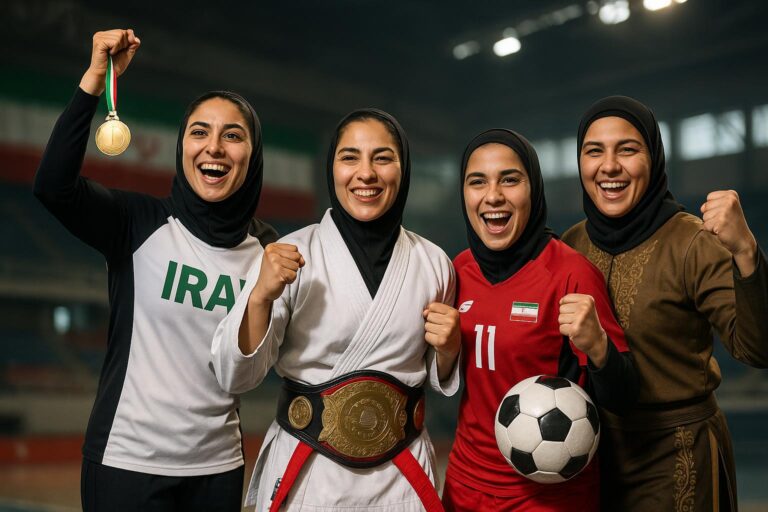
Historically, Zoorkhaneh training was male-dominated; however, recent years have seen increased interest and participation by women. While traditionalists debate the pace of change, modern Zoorkhaneh communities are creating more inclusive spaces.
- Women’s Clubs: Some cities have established women’s Zoorkhaneh sessions, focusing on strength, flexibility, and self-defense.
- Online Resources: YouTube videos and PDF manuals now cater to women, breaking down barriers to entry.
- Global Participation: As noted in the Iran Press article, countries outside Iran are leading the way in promoting gender inclusivity.
According to Tours of Iran, women’s involvement is expanding as more see Zoorkhaneh as a path to holistic fitness and empowerment.
Challenges and Opportunities
Access to traditional gyms may still be limited for women in some regions. However, home training and online communities are rapidly bridging the gap.
Role Models and Mentors
Prominent female athletes and coaches are increasingly sharing their experiences on platforms like YouTube, offering inspiration and guidance to new practitioners.
The Future of Inclusivity
As interest grows, expect to see more mixed-gender events and collaborative training projects, ensuring that Zoorkhaneh’s legacy continues to evolve.
Resources and References: Where to Learn More
Whether you’re just starting or seeking advanced training, a wealth of resources is available to help you learn how to train in Zoorkhaneh martial arts:
- Zoorkhaneh Guidebook PDF: Comprehensive manual with history, techniques, and routines. Read here.
- Wikipedia: Detailed overview of Pahlevani and Zoorkhaneh rituals.
- YouTube: Search for how to train in Zoorkhaneh martial arts YouTube for visual tutorials and live demonstrations.
- Iran Press Coverage: Real-world training stories and global adaptations. Read here.
- Tours of Iran: In-depth articles on rituals, history, and modern revival. Read here.
For structured learning, consider downloading PDF manuals, joining online forums, and subscribing to reputable YouTube channels. Connecting with experienced practitioners through forums or local clubs accelerates your progress and keeps you motivated.
External Authority Links
- UNESCO: Intangible Cultural Heritage
- Britannica: Wrestling
- NCBI: Physical Benefits of Traditional Sports
- Olympic.org: Zurkhaneh Rituals
FAQ: Your Top Questions About Zoorkhaneh Martial Arts
Q1: What is the tradition of Zurkhaneh?
The tradition of Zurkhaneh is a centuries-old Iranian practice blending physical training, martial arts, poetry, and spiritual rituals. Recognized by UNESCO as an Intangible Cultural Heritage, Zurkhaneh sessions feature athletes—called pahlevans—who gather in a domed gym to perform exercises with clubs, shields, and bows, guided by the rhythmic music of a master drummer. The tradition emphasizes chivalry, humility, and respect, with athletes reciting prayers and poetry before, during, and after training. According to UNESCO, these practices are not just about building strength, but also about nurturing community bonds and moral values. The fusion of music, movement, and ethics makes Zurkhaneh a unique cultural treasure in Iran and worldwide.
Q2: What is the traditional martial arts in Iran?
The traditional martial art of Iran is known as Pahlavani or Varzesh-e Pahlavani. This system blends wrestling, strength training, and spiritual discipline, and has been practiced in Iran and neighboring countries for centuries. According to Wikipedia, Pahlavani was originally developed to train warriors and instill virtues like courage and humility. Training takes place in the Zoorkhaneh, where athletes perform exercises with specialized equipment, followed by wrestling matches called koshti pahlevani. The martial art is deeply intertwined with Persian poetry, music, and religious rituals, making it unique among global martial traditions.
Q3: How to start martial arts training at home?
Starting martial arts training at home requires planning, discipline, and safe adaptation of exercises. For Zoorkhaneh martial arts, begin by studying instructional resources such as YouTube tutorials, PDF guidebooks, or Wikipedia articles to understand the movements and philosophy. Use household items or safe, homemade equipment (like wooden clubs or push-up boards) to practice basic exercises—focusing on proper form. Set a regular schedule, begin with a dynamic warm-up, and include calisthenics, club swings, and push-ups. According to the Zurkhaneh Guidebook, beginners should prioritize safety and gradually increase intensity. Engaging with online communities or virtual classes can provide motivation and feedback, making home training effective and enjoyable.
Q4: What is the oldest sport in Iran?
Wrestling is widely regarded as the oldest sport in Iran, with roots stretching back thousands of years. According to Wikipedia and UNESCO, Iranian pahlevani wrestling is not only a competitive sport but also a cultural ritual, practiced in the Zoorkhaneh and celebrated in epic Persian literature. Wrestling has been integral to ancient civilizations across the world, but in Iran, its practice is uniquely bound with poetry, music, and chivalric values. This makes it a living link to the country’s rich history and enduring identity.
Q5: Is Zoorkhaneh training suitable for beginners?
Yes, Zoorkhaneh training is suitable for beginners, provided they start with light equipment and focus on mastering the basic movements. Many resources—including YouTube tutorials and PDF guidebooks—offer beginner-friendly routines. According to the Zurkhaneh Guidebook, it’s important to prioritize safety, use proper form, and progress gradually. Beginners are encouraged to observe traditional rituals and respect the ethical code, which is as important as the physical training itself. Participating in group sessions or online forums can offer support and motivation, making the journey accessible and rewarding for all fitness levels.
Q6: What equipment do I need to train in Zoorkhaneh martial arts?
Traditional Zoorkhaneh training uses four main pieces of equipment: Mila (wooden clubs), Kabbadeh (iron bow), Shena (push-up board), and Sang (wooden shields). For beginners at home, safe substitutes such as plastic or wooden clubs, resistance bands, and sturdy boards can be used. According to the Zurkhaneh Guidebook, the key is to focus on functional movement and safety rather than the exact materials. As you progress, you may wish to invest in authentic equipment or join a local club with proper tools.
Q7: How does music influence Zoorkhaneh training?
Music is central to the Zoorkhaneh experience. The Morshed (master) plays the zarb drum and chants epic poetry, setting the rhythm and emotional tone for each session. According to Tours of Iran, this musical guidance synchronizes movement, fosters unity, and motivates athletes to push beyond their limits. The combination of sound and movement is meditative, helping athletes enter a focused state and connect with the tradition’s spiritual roots. Even in home training, playing Zoorkhaneh music or drumming tracks can replicate this energy and enhance performance.
Q8: Where can I find authentic Zoorkhaneh training videos?
Authentic Zoorkhaneh training videos can be found on YouTube by searching for “how to train in Zoorkhaneh martial arts” or “Zoorkhaneh training.” Look for videos featuring experienced Morsheds and reputable channels connected to Iranian cultural organizations. Many training centers worldwide now share instructional content, with some providing English subtitles or step-by-step breakdowns. According to the Iran Press article, video resources have been instrumental in spreading the tradition globally, making it accessible for beginners and advanced practitioners alike.
Conclusion: Your Journey Into Zoorkhaneh Martial Arts Starts Now
Learning how to train in Zoorkhaneh martial arts is more than acquiring a new workout—it’s about stepping into a living tradition that nurtures strength, humility, and community. With roots in ancient Persia and recognition from UNESCO, Zoorkhaneh martial arts offer a unique blend of physical challenge and spiritual growth. Whether you start with a YouTube video, a guidebook PDF, or by joining a local club, every session connects you to centuries of wisdom and camaraderie. Remember to respect the rituals, prioritize proper technique, and embrace the journey with patience and gratitude. As you swing the clubs, move to the drumbeat, and reflect after each session, you’ll experience a transformation that goes beyond the gym—a transformation that shapes the body, sharpens the mind, and uplifts the spirit. Ready to step into the circle and unlock your own heroic potential? The House of Strength awaits.