

Athletics, often known as track and field, is one of the foundational disciplines of international sport, encompassing running, jumping and throwing events that form the core of the Olympic programme. In Iran, athletics is part of the country’s diverse sporting landscape, with athletes competing across a range of events at national and international levels. This article offers a general, evergreen guide to athletics in Iran, explaining what the sport involves, its place in Iranian sport, and how athletes progress in the discipline, without cataloguing specific records, results or athlete achievements, which change over time and are best followed through up-to-date sources. The aim is to give a general understanding of the sport and its place in Iran.
Because records and results change continually, this article focuses on the general nature of athletics and its place in Iran rather than on specific figures, which should always be checked against current sources. Athletes’ careers, records and the competitive landscape evolve, and any attempt to fix them would soon become outdated. What tends to remain more stable is the fundamental character of athletics as a sport, its role within the wider world of international competition, and its place among the disciplines Iranian athletes pursue. Readers looking for current records, results or athlete information are encouraged to consult reliable, up-to-date sources, as this overview does not attempt to provide live detail.
What is athletics?
Athletics, or track and field, is a collection of sporting events based on the fundamental human activities of running, jumping and throwing. Track events include sprints, middle-distance and long-distance races, hurdles and relays, while field events include jumps such as the long jump and high jump, and throws such as the shot put, discus and javelin. Together, these events form one of the core disciplines of the Olympic Games and world championships. Athletics is often described as a foundational sport because its events test basic athletic qualities of speed, strength, endurance and coordination. Understanding the range of events helps make sense of athletics as a diverse discipline encompassing many different specialisms and physical demands.
Understanding what athletics is helps make sense of its diversity, because the sport encompasses a wide range of events, from sprints and distance races to jumps and throws, each testing different athletic qualities. This breadth makes athletics a foundational discipline. It is worth noting that the specific events, rules and formats are governed by the sport’s international bodies and can be revised over time. What remains general is the character of athletics as a collection of running, jumping and throwing events that form a core part of the Olympic programme and test fundamental athletic qualities, making it one of the most diverse and foundational of all sports.
Athletics in Iran
In Iran, athletics forms part of the country’s diverse sporting landscape, with athletes competing across a range of track and field events at national and international levels. While athletics may not command the same mass following as football or the deep cultural attachment of wrestling, it is an established discipline in which Iranian athletes take part, contributing to the breadth of the country’s sporting activity. Athletics is practised through clubs, schools and national competitions, and Iranian athletes have competed at international events across various disciplines within the sport. Understanding athletics as part of Iran’s wider sporting scene helps give a fuller picture of the range of sports pursued in the country beyond its most prominent traditional strengths.
Understanding athletics in Iran helps give a fuller picture of the country’s sporting scene, because the sport is an established discipline in which Iranian athletes compete, adding to the breadth of the country’s sporting activity beyond its most prominent sports. It is practised through clubs, schools and competitions. It is worth acknowledging that the specific standing and achievements of Iranian athletics change over time and are best followed through current sources. What remains general is the point that athletics is part of Iran’s diverse sporting landscape, with athletes competing across a range of track and field events, reflecting the breadth of sporting activity in the country.
Track events
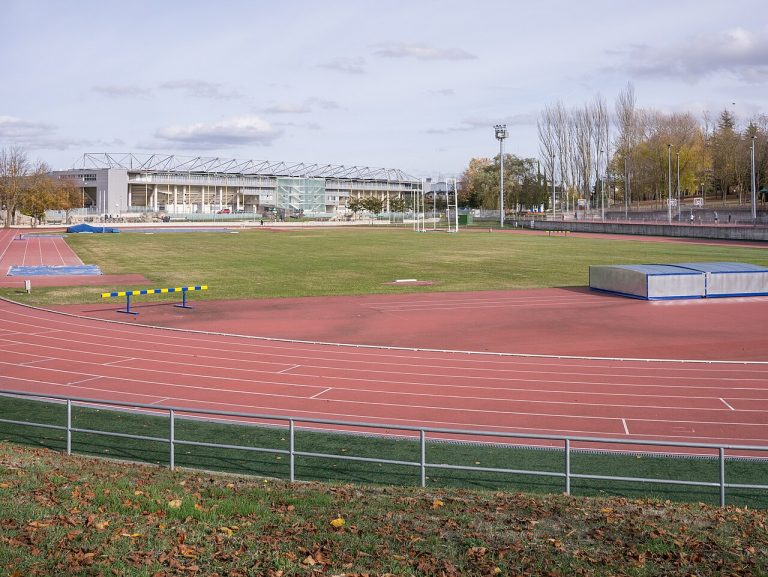
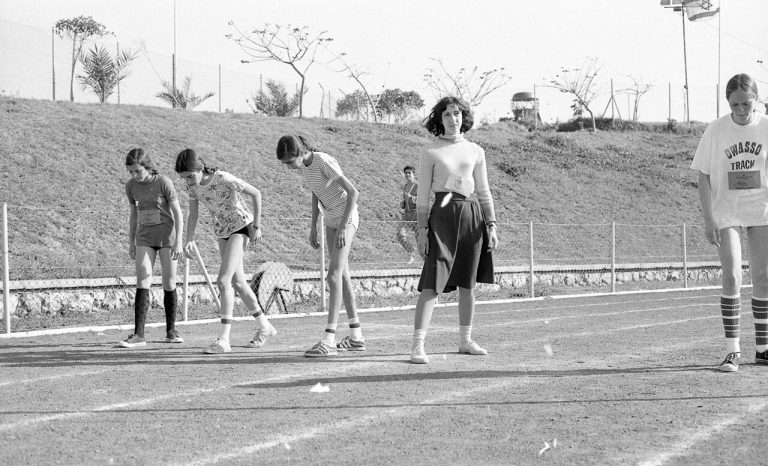
Track events, contested on the running track, form one half of athletics and encompass a range of races over different distances. Sprints test explosive speed over short distances, middle-distance races combine speed with endurance, and long-distance races demand sustained endurance over longer courses. Hurdle events add the challenge of clearing barriers while running at speed, and relays involve teams of runners passing a baton. Each type of track event demands different physical qualities and training, from the pure speed and power of sprinting to the endurance and pacing of distance running. Understanding the range of track events helps show the diversity within this half of athletics, where athletes specialise in the events that suit their abilities.
Understanding track events helps make sense of the diversity within athletics, because the races range from explosive sprints to endurance-demanding distance events, each requiring different physical qualities and training. Athletes typically specialise in the events that suit them. It is worth noting that the specific events, distances and rules are governed by international bodies and can be revised. What remains general is the point that track events encompass a diverse range of races, from sprints to distance running, hurdles and relays, each testing different athletic qualities, and that this diversity is part of what makes athletics such a varied discipline.
It is also worth reflecting on how the different track events require quite different types of athletes and preparation. A world-class sprinter and a world-class marathon runner have very different physiques, training regimes and physiological strengths, even though both compete under the broad umbrella of athletics. Sprinting emphasises explosive power and fast-twitch muscle, while distance running depends on aerobic capacity and endurance built over long periods of training. This means that athletics is not really a single sport in the way football is, but a family of related disciplines, each with its own demands. Recognising this helps explain why athletes specialise so narrowly, and why success in one event tells you little about ability in another. It also underlines the breadth of talent and training approaches that a strong athletics programme must accommodate.
| Aspect | Common belief | Reality |
|---|---|---|
| Scope | Athletics is just running | It includes running, jumping and throwing events |
| Unity | It is a single sport | It is a family of diverse disciplines with different demands |
| Athletes | One athlete can do all events | Athletes typically specialise in one or a few events |
| Place in Iran | Athletics is not practised in Iran | It is part of Iran’s diverse sporting landscape |
| Records | Records are fixed and permanent | Records and results change and should be checked currently |
Field events
Field events form the other half of athletics and involve jumping and throwing rather than racing. Jumping events include the long jump and triple jump, which test horizontal distance, and the high jump and pole vault, which test the ability to clear a bar at height. Throwing events include the shot put, discus, hammer and javelin, each of which tests the ability to project an implement as far as possible using a combination of strength and technique. Field events demand a blend of power, technique, timing and coordination, and like track events, athletes typically specialise in one or a few. Understanding field events completes the picture of athletics as a discipline encompassing a wide variety of physical challenges.
Understanding field events completes the picture of athletics, because alongside the track events they add jumping and throwing disciplines that test power, technique and coordination rather than racing speed. Athletes typically specialise in one or a few field events. It is worth noting that the specific events, rules and equipment are governed by international bodies and can be revised over time. What remains general is the point that field events encompass a variety of jumping and throwing disciplines, each testing a blend of power and technique, and that together with the track events they make athletics one of the most diverse of all sports, encompassing a wide range of physical challenges.
Training and development in athletics
Success in athletics, at any level, depends on dedicated training tailored to the specific event or events an athlete competes in. Because the events are so diverse, training varies enormously between disciplines: a sprinter’s preparation looks very different from a distance runner’s or a thrower’s. Across all events, however, athletics demands discipline, consistency and the careful development of the relevant physical and technical qualities over time. Coaching plays an important role in guiding athletes’ development and refining their technique. In Iran, as elsewhere, developing athletes in track and field requires appropriate coaching, facilities and competitive opportunities suited to the range of events, so that talent can be identified and nurtured across the sport’s many disciplines.
Understanding training and development in athletics helps show what reaching a high level requires, because the diversity of events means training is highly specialised, while all disciplines demand dedication and the careful development of relevant qualities. Coaching is important throughout. It is worth acknowledging that training methods evolve over time and vary between athletes and events. What remains general is the point that success in athletics depends on dedicated, specialised training and coaching suited to the specific events, and that developing athletes across the sport’s many disciplines requires appropriate facilities, coaching and competition, in Iran as in any country.
Athletics on the international stage
Athletics occupies a central place on the international sporting stage, forming a core part of the Olympic Games and featuring its own world and continental championships. For athletes, these competitions represent the pinnacle of the sport, offering the chance to test themselves against the best in the world or the region. Iranian athletes have competed at international athletics events across various disciplines, taking part in the global and regional competition that defines the sport at its highest level. Competing on this stage represents the culmination of years of specialised training and development, and it is through these international competitions that athletics is contested at its highest level around the world, including by athletes from Iran.
Understanding athletics on the international stage helps place the sport in context, because major competitions such as the Olympics and world championships are where it is contested at its highest level. Iranian athletes take part in this global and regional competition. It is worth remembering that specific results, records and rankings change continually and are best followed through current sources rather than assumed. What remains general is the point that athletics occupies a central place in international sport, forming a core part of the Olympics and its own championships, and that Iranian athletes compete in these events across various disciplines within the sport.
Following athletics
For those interested in following athletics, whether in Iran or internationally, the sport offers a rich programme of competition across its many events, with major championships and the Olympics providing the highest-profile stages. Athletics coverage is generally available around major competitions, though the specific ways to follow the sport vary by country and over time. Fans should look for current, reliable sources of coverage and information. Following athletics offers a way to engage with one of the foundational disciplines of international sport, appreciating the diversity of its events and the range of physical qualities they test, from the explosive speed of the sprints to the endurance of distance running and the power and technique of the field events.
Understanding how to follow athletics helps fans engage with the sport, because its rich programme of events, with major championships and the Olympics as the highest-profile stages, offers much to follow. Coverage is generally available around major competitions. It is worth remembering that the specific ways to follow the sport, and current results, change over time and are best confirmed through reliable, up-to-date sources. What remains general is the point that following athletics offers a way to engage with one of the foundational disciplines of international sport, appreciating the diversity of its events, and that fans should seek current information from reliable sources.
A foundational sport
Taken together, athletics is a foundational and diverse sport encompassing a wide range of running, jumping and throwing events, forming a core part of international competition and featuring among the disciplines pursued by athletes in Iran. Understanding this general picture provides context for appreciating athletics both as a global sport and as part of Iran’s diverse sporting landscape. The specifics of records and results change constantly and are best followed through current sources, but the broader understanding of athletics as a foundational discipline, encompassing a great variety of events and physical challenges, offers a durable sense of the sport and its place in Iranian and international sport.
Understanding athletics as a foundational sport helps bring together its diversity and its place in Iran and internationally, because it encompasses a wide range of events forming a core part of global competition. This general overview is a starting point rather than a complete or current account. For up-to-date records, results and athlete information, readers should always turn to reliable, current sources, since these change continually. What this article offers is a durable understanding of athletics as a diverse, foundational discipline, encompassing running, jumping and throwing events, and part of the range of sports pursued by athletes in Iran within the country’s broader sporting landscape.
Frequently asked questions
What is athletics or track and field?
Athletics, or track and field, is a collection of sporting events based on running, jumping and throwing. Track events include sprints, distance races, hurdles and relays; field events include jumps such as the long jump and high jump, and throws such as the shot put, discus and javelin. Together they form a core part of the Olympic programme.
Is athletics practised in Iran?
Yes. Athletics is part of Iran’s diverse sporting landscape, with athletes competing across a range of track and field events at national and international levels. It is practised through clubs, schools and competitions. While it does not command the same following as football, it is an established discipline in the country.
Why do athletes specialise in specific events?
Because the events are so diverse and demand different physical qualities, a sprinter and a distance runner, or a thrower and a jumper, have very different physiques, training and strengths. Athletics is really a family of related disciplines, each with its own demands, so athletes specialise narrowly in the events that suit their abilities.
What is the difference between track and field events?
Track events are races contested on the running track, including sprints, distance races, hurdles and relays. Field events involve jumping (long jump, high jump, pole vault) and throwing (shot put, discus, javelin) rather than racing. Together they make athletics one of the most diverse of all sports, encompassing many different physical challenges.
How do athletes develop in the sport?
Through dedicated, specialised training tailored to their specific events, guided by coaching. Because the events are so diverse, training varies enormously between disciplines. All events demand discipline, consistency and the careful development of relevant qualities over time, along with appropriate facilities and competitive opportunities.
Where can I find current athletics records and results?
Because records and results change continually, current figures are best followed through reliable, up-to-date sources rather than a general overview like this one. This article focuses on the general nature of athletics and its place in Iran, which is more stable than the fast-changing world of records and competitive results.
Conclusion
Athletics is a foundational and diverse sport encompassing a wide range of running, jumping and throwing events, forming a core part of international competition and featuring among the disciplines pursued by athletes in Iran. Really a family of related disciplines, each with its own demands, it tests a great variety of physical qualities. This overview focuses on the general nature of the sport and its place in Iran rather than specific records: for up-to-date results and achievements, readers should always consult reliable, current sources, while appreciating athletics as one of the foundational disciplines of international sport and part of Iran’s diverse sporting landscape.