Iran has a long and proud tradition of competing on the international sporting stage, from the Olympic Games and Asian Games to world championships across a range of disciplines. For those following Iranian sport, understanding how the country’s athletes reach and compete at this level, and the particular strengths and challenges they face, offers valuable context. This article gives a general overview of how Iranian athletes compete internationally, the sports in which the country has traditionally excelled, and some of the factors that shape their journeys. It is an evergreen introduction rather than a record of specific results, which change constantly and are best followed through up-to-date sources.
Because international sport moves quickly, this article focuses on the general picture rather than on specific medal counts, records or results, which should always be checked against current sources. Athletes’ careers, national team fortunes and competitive landscapes evolve continually, and any attempt to fix them in a single article would quickly become outdated. What tends to remain more stable is the broad pattern of Iran’s traditional sporting strengths, the pathways through which athletes reach international competition, and the mixture of pride and challenge that characterises the country’s presence on the world stage. Where specifics matter, readers are encouraged to consult reliable, current information.
Iran’s traditional sporting strengths
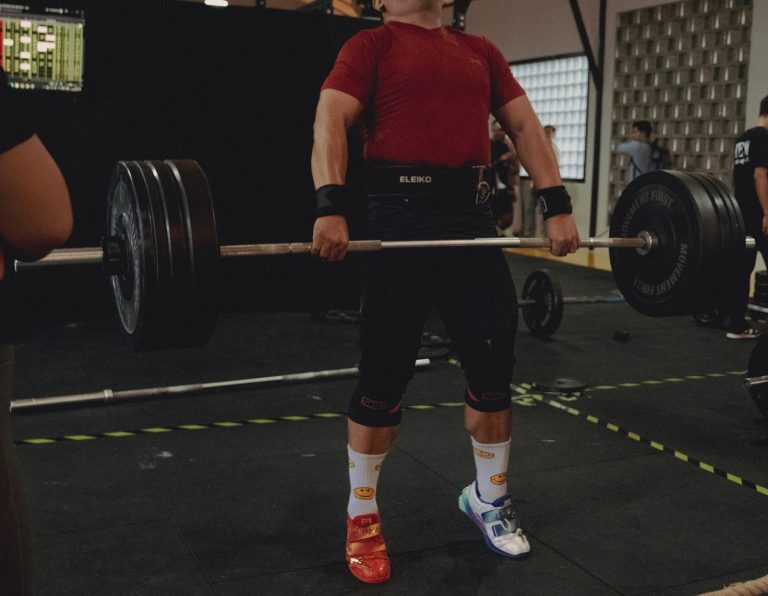
Iran has long been particularly strong in a number of sports, most notably wrestling and weightlifting, in which the country has a deep tradition and a strong record at the highest levels of international competition, including the Olympic Games. These are sports with deep cultural roots in Iran, connected to the wider respect for strength and physical prowess that runs through the country’s sporting heritage. Beyond wrestling and weightlifting, Iran has also achieved international success in disciplines such as taekwondo, and it fields competitive teams in sports like volleyball and football. This concentration of strength in certain disciplines is a defining feature of Iran’s international sporting profile.
Understanding Iran’s traditional strengths helps make sense of the country’s international presence, because success has historically been concentrated in particular sports with deep cultural roots. Wrestling and weightlifting in particular reflect a long-standing sporting heritage. It is important to note that competitive fortunes rise and fall over time, and that specific results and rankings should be confirmed through current sources rather than assumed. What remains more consistent is the general pattern of Iran being especially associated with certain disciplines, a pattern shaped by cultural tradition, investment and the emergence of talented athletes over many years.
The main international competitions
Iranian athletes compete across a range of major international events. The Olympic Games are the pinnacle, and Iran has a long history of participation and success there, particularly in its traditional strong sports. The Asian Games are another major stage, especially significant given Iran’s location and its rivalries within the region, offering athletes the chance to compete against strong Asian opposition. World championships in individual sports, continental championships and international tournaments in team sports round out the calendar. Each of these competitions represents a different level and context, and together they form the framework within which Iranian athletes test themselves against the best in the world and the region.
Understanding the main competitions helps clarify how Iranian athletes measure themselves internationally, because different events carry different significance and levels of prestige. The Olympics, the Asian Games and world championships each play a distinct role in an athlete’s career. It is worth remembering that results at these events change with every edition, so current outcomes should be checked against up-to-date sources. What this overview highlights is the general structure of international competition, from continental events to the global stage, within which Iranian athletes pursue their ambitions and through which the country’s sporting reputation is built and maintained over time.
Pathways to international competition
Reaching international competition is the result of a long development pathway. For most athletes, it begins with participation at local and youth levels, progresses through national competitions and selection processes, and culminates in representing the country at continental or world events. National federations for each sport play a central role in organising competition, identifying talent and selecting teams. In team sports, domestic leagues serve as an important development ground, while in individual sports, national championships and ranking systems shape who earns the opportunity to compete abroad. This pathway, common in outline to sport around the world, is the general route by which Iranian athletes reach the international stage.
Understanding the pathways to international competition helps show that reaching the top level is the outcome of a long process rather than a sudden leap, because athletes typically progress through many stages of development and selection. National federations and domestic competitions are central to this journey. It is worth acknowledging that the specific structures, selection criteria and support systems vary by sport and can change over time, so details are best confirmed through current sources. What remains general is the broad shape of the pathway, from grassroots participation through national competition to international representation, which underlies most athletes’ journeys.
| Aspect | Common belief | Reality |
|---|---|---|
| Strengths | Iran competes evenly across all sports | Strength is concentrated in wrestling, weightlifting and a few others |
| Stage | Only the Olympics matter | The Asian Games and world championships are also central |
| Pathway | Athletes appear suddenly at the top | International level follows a long development pathway |
| Context | Success comes in ideal conditions | Athletes face real challenges of funding and logistics |
| Meaning | Sport is separate from identity | Sporting success is bound up with national pride |
The challenges athletes face
Iranian athletes, like athletes everywhere, face a range of challenges on the road to international competition, and some of these are particular to their context. Questions of funding and resources can affect preparation and access to facilities, and international sport is often expensive and demanding. Athletes competing abroad may face practical hurdles related to travel and logistics. Beyond the sporting challenges, the broader context in which Iranian sport operates can add complexity to athletes’ careers. These challenges are part of the reality of competing at the international level, and acknowledging them honestly gives a fuller picture than focusing only on successes and achievements.
Understanding the challenges athletes face helps give a balanced view of Iranian international sport, because success is achieved against a backdrop of real difficulties rather than in ideal conditions. Funding, resources and the broader context all shape athletes’ journeys. It is worth being careful and general here, since individual circumstances vary widely and specific situations change over time. What this overview aims to convey is simply that competing internationally involves overcoming significant obstacles, and that the achievements of Iranian athletes are best appreciated with an awareness of the challenges against which they are accomplished, rather than viewed in isolation from that context.
Iranian athletes competing abroad
Many Iranian athletes pursue their careers, at least in part, abroad. In football, Iranian players have long moved to foreign leagues to test themselves at a high level and further their development. In other sports, athletes may train or compete internationally to access better facilities, stronger competition or professional opportunities. Some athletes have also relocated abroad for various reasons connected to their careers. This international dimension broadens the experience of Iranian athletes and contributes to raising the profile of Iranian sport internationally, while also reflecting the global and interconnected nature of modern high-level competition.
Understanding the phenomenon of Iranian athletes competing abroad helps illustrate the international reach of the country’s sport, because talent developed in Iran often goes on to compete on foreign and global stages. This movement enriches athletes’ experience and raises Iran’s sporting profile. It is worth remembering that the specific athletes involved, and their circumstances, change continually and should be followed through current sources. What remains general is the broader point that Iranian sport is connected to the wider world through the many athletes who compete internationally, reflecting the interconnected reality of modern elite sport and the ambition of athletes to test themselves at the highest level.
National pride and identity
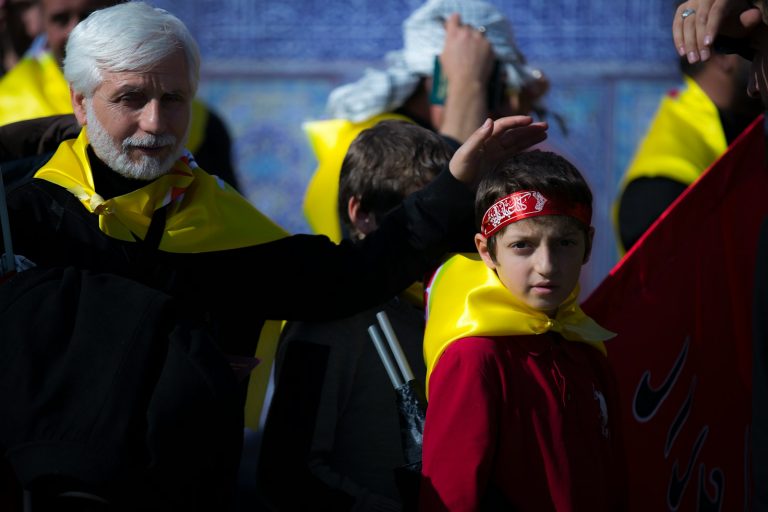
Sporting success carries a particular emotional significance in Iran, where the achievements of national athletes and teams are a source of collective pride. Major international competitions, and especially events involving the national football team or successes in traditional strong sports, can become moments of shared national feeling. This connection between sport and national identity is a powerful force, and it means that Iranian athletes competing internationally often carry not only their own ambitions but also the hopes and pride of a large following back home. The emotional weight attached to international sporting success is a distinctive feature of how sport is experienced in Iran.
Understanding the role of national pride helps explain why international competition matters so deeply in Iran, because sporting success is bound up with collective identity and shared emotion. The achievements of athletes and teams resonate well beyond the sporting world. It is worth acknowledging that this emotional dimension, like sport itself, is complex and varies among individuals and over time. What this overview highlights is the general point that international sport in Iran is followed with intense feeling and pride, and that this cultural significance is an important part of the context in which Iranian athletes compete on the world stage.
The role of youth development
The long-term strength of any country’s international sport depends heavily on youth development, and Iran is no exception. The identification and nurturing of young talent, through schools, clubs, academies and youth competitions, is the foundation on which future international success is built. In sports where Iran has a strong tradition, this development pipeline benefits from cultural enthusiasm and established structures, while in emerging sports, building a development base is part of the process of becoming competitive internationally. Investing in and sustaining youth development is therefore central to Iran’s ability to continue producing athletes capable of competing at the highest levels in the years ahead.
Understanding the role of youth development helps show that international success is rooted in long-term foundations rather than being a matter of individual talent alone, because the pipeline that develops young athletes shapes future results. Cultural enthusiasm and established structures support this in Iran’s traditional strong sports. It is worth noting that the specifics of youth development systems vary by sport and evolve over time, so current details are best checked through reliable sources. What remains general is the principle that sustained investment in developing young talent underpins a country’s long-term competitiveness on the international stage, in Iran as elsewhere.
The bigger picture
Taken together, Iran’s presence on the international sporting stage reflects a combination of deep traditional strengths, established pathways to competition, real challenges, an international dimension through athletes abroad, and an intense connection between sport and national identity. Understanding this general picture provides useful context for following Iranian sport, whether one is drawn to wrestling and weightlifting, to football, or to the wider range of disciplines in which Iranian athletes compete. The specifics of results and rankings change constantly and are best followed through current sources, but the broader patterns offer a durable framework for appreciating how Iranian athletes reach and perform on the world stage.
Understanding the bigger picture helps bring the different elements together, because Iran’s international sport is shaped by tradition, development pathways, challenges and national pride all at once. This general overview is a starting point rather than a complete or current account. For up-to-date results, athlete profiles and rankings, readers should always turn to reliable, current sources, since international sport moves quickly and this article does not attempt to capture live detail. What it offers is a sense of the enduring patterns that shape Iran’s international sporting presence, patterns that remain recognisable even as specific outcomes continually change from one competition to the next.
Frequently asked questions
Which sports is Iran traditionally strongest in?
Iran has a deep tradition and a strong international record in wrestling and weightlifting, sports with deep cultural roots. It has also achieved success in disciplines such as taekwondo and fields competitive teams in sports like volleyball and football. Competitive fortunes change over time, so current results are best checked through up-to-date sources.
What are the main competitions Iranian athletes compete in?
Iranian athletes compete at the Olympic Games, the Asian Games, world and continental championships, and international tournaments in team sports. The Olympics are the pinnacle, while the Asian Games are especially significant given Iran’s regional context. Results at these events change with every edition.
How do Iranian athletes reach international competition?
Through a long development pathway that typically begins at local and youth levels, progresses through national competitions and selection processes, and culminates in international representation. National federations organise competition and select teams, and domestic leagues serve as development grounds in team sports.
What challenges do Iranian athletes face?
Like athletes everywhere, they face challenges of funding, resources, facilities and the demands of international travel, and the broader context in which Iranian sport operates can add complexity. Individual circumstances vary and change over time, so specifics are best confirmed through current sources.
Do Iranian athletes compete abroad?
Yes. In football, Iranian players have long moved to foreign leagues, and in other sports athletes may train or compete internationally to access better facilities and stronger competition. This international dimension broadens their experience and raises the profile of Iranian sport. The specific athletes involved change continually.
Why does international sport matter so much in Iran?
Sporting success carries deep emotional significance, and the achievements of national athletes and teams are a source of collective pride. Major competitions, especially involving the national football team or traditional strong sports, can become moments of shared national feeling, making athletes carriers of the hopes of a large following.
Conclusion
Iran’s presence on the international sporting stage reflects deep traditional strengths in sports such as wrestling and weightlifting, established pathways to competition, real challenges of funding and context, an international dimension through athletes abroad, and an intense connection between sport and national pride. Understanding these general patterns offers valuable context for following Iranian sport. The specifics of results and rankings change constantly, however, and this overview does not attempt to capture them: for up-to-date information, readers should always consult reliable, current sources, while keeping in mind the durable patterns that shape how Iranian athletes reach and perform on the world stage.