

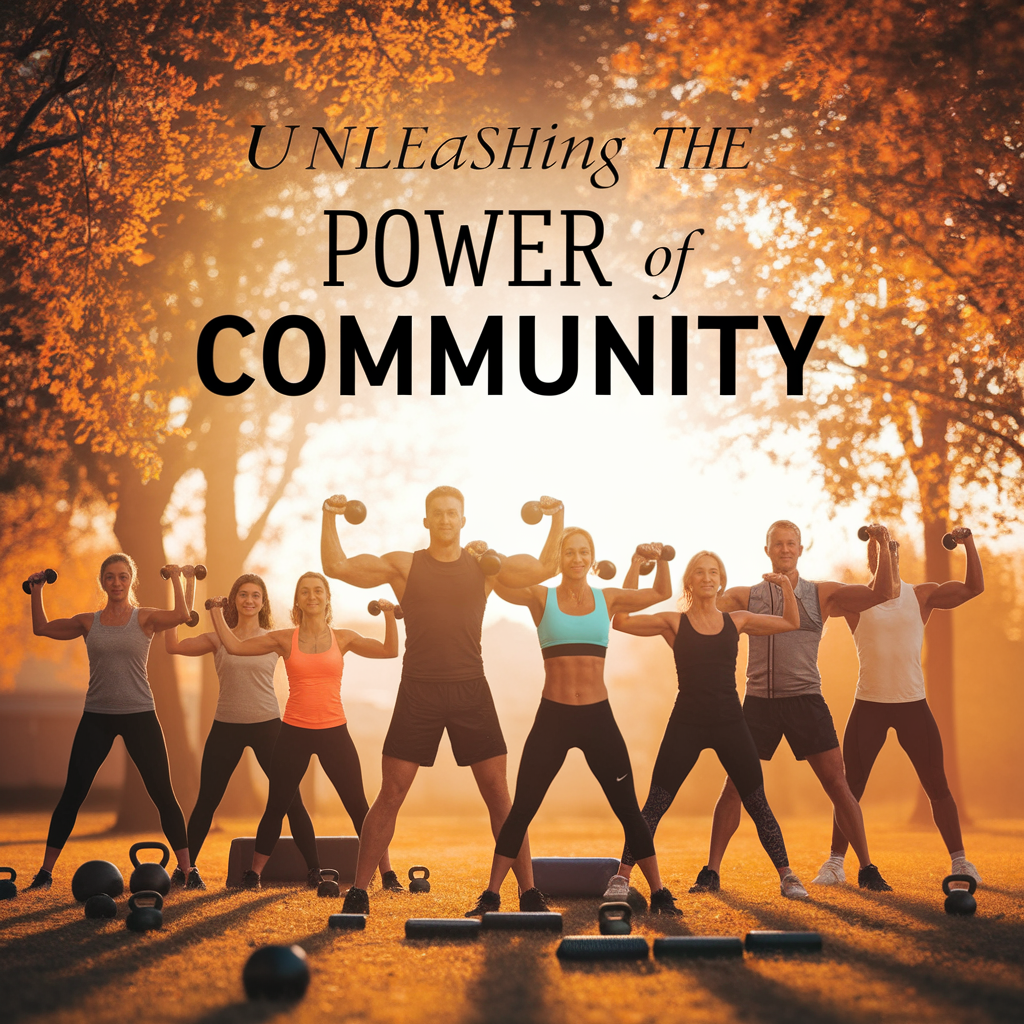
Embracing Fitness Together
When it comes to fitness, many people envision solitude—long runs on empty streets, silent hours spent lifting weights, or quiet yoga sessions in a dimly lit studio. But what if I told you that the true magic of fitness does not lie in solitary pursuits but rather in the vibrant energy of community? Think about it: have you ever been in a group workout where the collective effort pushed you beyond your limits? That experience, where every drop of sweat feels like a shared victory, is what makes group workouts transformative.
The Science Behind Group Motivation
Studies have shown that working out in groups can lead to greater motivation and improved performance. A significant number of participants in group fitness classes report feeling more energized and driven compared to solo workouts. Why is that? Well, there’s a psychological phenomenon known as the “social facilitation effect.” In simple terms, when we see others pushing through their limits, it ignites a competitive spark within us. It’s like an unspoken challenge—“If they can do it, so can I!”
Real Stories, Real People
Take Sarah, for example. A self-proclaimed introvert, Sarah had always preferred her home workouts—until she decided to join a local boot camp. “I was terrified at first,” she admits. “But once I got there, I realized everyone was just as nervous as I was.” The camaraderie she found in that group transformed her fitness journey. What started as a hesitant step into the unknown has blossomed into a supportive community that meets every week, encouraging each other to reach new heights.
The Ripple Effect of Community Support
Now, let’s delve deeper into how this sense of community can ripple through various aspects of our lives. It’s not just about physical fitness; it’s about emotional and social well-being too. When we surround ourselves with like-minded individuals who share our goals, we create a support network that can be crucial in overcoming obstacles.
Building Lifelong Friendships
Many group workout participants find themselves forming genuine friendships. After all, sweating together has a way of breaking down barriers. I remember hearing about a couple who met in a spin class and ended up getting married. Who knew that huffing and puffing could lead to love? But it’s not just about romantic connections; the friendships fostered in group settings often become a vital support system. These bonds can help individuals stay accountable and motivated, making it easier to stick to their fitness goals.
The Role of Accountability
Accountability is a powerful tool in any fitness journey. Having someone to share your goals with—be it a workout buddy or a whole group—adds a layer of commitment. It’s easy to hit snooze on your alarm and skip a morning workout when you’re the only one waiting for you. But when you know that your friend is counting on you to show up, it suddenly becomes a lot harder to stay in bed. (Trust me, I’ve been there!)
Types of Group Workouts
As diverse as the people who join them, group workouts come in many forms. Each type brings its own unique benefits and challenges. Here’s a look at some popular options:
Boot Camps
Boot camps are intense, high-energy classes often set outdoors. They can feel like military training—minus the yelling! Participants are pushed to their limits through a variety of exercises. The group dynamic helps individuals encourage one another, and the competitive spirit can lead to significant improvements over time.
Yoga Classes
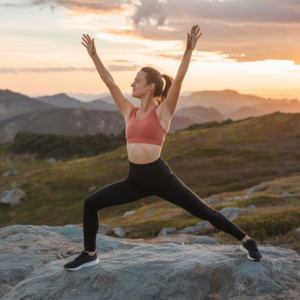
On the flip side, yoga classes offer a more tranquil atmosphere, focusing on mindfulness and flexibility. The sense of community in yoga is often more about shared peace and introspection. I remember attending a yoga retreat where we bonded over our shared struggles with balance—both physically and in life. It was a reminder that we’re all in this together, one downward dog at a time.
Running Clubs
For those who prefer to hit the pavement, running clubs provide a fantastic way to build endurance while enjoying the company of fellow runners. Whether you’re training for a marathon or just trying to complete your first 5K, the encouragement from teammates can make all the difference. Plus, there’s something undeniably uplifting about running together—like a pack of slightly sweaty wolves.
Overcoming Barriers
While the benefits of group workouts are numerous, it’s essential to acknowledge that some individuals may feel hesitant about joining such activities. Whether it’s fear of judgment, self-doubt, or simply feeling out of place, these barriers can be daunting. However, addressing them is crucial to unlocking the transformative power of community.
Creating Inclusive Spaces
Fitness communities are increasingly striving to cultivate inclusivity. Many gyms and studios are working to create environments where everyone feels welcome, regardless of their fitness level. For instance, some group classes offer modifications for beginners while still providing challenges for more advanced participants. This approach not only ensures that no one feels left out but also fosters a sense of belonging.
Finding the Right Fit
It’s important to find a group that resonates with you. Some people thrive in high-energy environments, while others prefer a more laid-back approach. I recall my first experience in a Zumba class. Let’s just say my rhythm was more “awkward penguin” than “salsa superstar.” However, the infectious energy of my fellow dancers kept me coming back. It’s all about finding the right vibe!
Exploring the Digital Dimension
In our increasingly digital world, virtual workouts have become a game-changer. Online fitness communities are thriving, allowing individuals to connect and work out together from the comfort of their homes. Platforms like Zoom and social media groups have enabled people to maintain that sense of community even when physical gatherings aren’t possible. The pandemic taught us that distance doesn’t have to diminish connection. I saw friends, separated by miles, cheer each other on during virtual races and challenges.
Leveraging Technology
Apps that track workouts and performance have also become popular tools for fostering accountability in online communities. Participants can share their progress, celebrate milestones, and encourage each other along the way. It’s a modern twist on the age-old tradition of high-fives and celebratory post-workout smoothies!
The Role of Leaders and Coaches
Behind every successful group workout, there’s often a dedicated coach or leader. These individuals play a crucial role in fostering a positive environment, providing guidance, and motivating participants. A great coach can inspire individuals to push past their perceived limits and achieve their goals.
Leading with Empathy
A fantastic coach knows how to read the room. They can sense when a participant is struggling and offer encouragement or adjustments without drawing too much attention. (I still remember my trainer giving me a discreet thumbs-up when I finally completed a set of burpees without collapsing.) This kind of empathetic leadership creates a safe space for everyone to grow.
Celebrating Progress Together
One of the most rewarding aspects of group workouts is the ability to celebrate progress together. Whether it’s a small personal victory, like completing your first push-up, or a significant milestone, such as running your first 10K, sharing these moments with others amplifies the joy. I remember the day my friend crossed the finish line of her first marathon—amidst cheers and tears, the sense of accomplishment felt like a collective triumph.
Creating a Culture of Celebration
Many communities organize events to recognize individual and group achievements, further strengthening the bonds between members. From award ceremonies to themed workout parties, these celebrations serve as reminders that fitness is a journey best traveled together.
Conclusion: A Journey Worth Sharing
As we’ve explored, the power of community in fitness can lead to profound transformations. From motivation and accountability to friendships and shared celebrations, group workouts have the potential to change not just our bodies, but our lives. So, the next time you’re contemplating a workout, consider stepping into a group setting. You might just discover a whole new level of inspiration and support.
In a world where individualism often reigns supreme, let’s not forget the beauty of coming together. Whether you’re sweating it out with friends, sharing laughs at a group class, or cheering each other on from afar, community is the heartbeat of the fitness journey. So, lace up those sneakers, grab a buddy (or 10), and unleash the power of community in your own fitness adventure! You might find that together, you can achieve the unthinkable.
The Science Behind Effective Training
Understanding the physiological principles behind effective training can dramatically improve your results. When you exercise, your body undergoes a series of adaptations that make you stronger, faster, and more resilient. These adaptations occur during the recovery period, which is why proper rest is just as important as the workout itself.
Progressive overload is the fundamental principle of fitness improvement. By gradually increasing the demands placed on your body, you force it to adapt and grow stronger. This can be achieved by increasing weight, repetitions, sets, or decreasing rest periods between exercises. The key is consistency and patience—results come from sustained effort over time.
Nutrition for Optimal Performance
Your training results are heavily influenced by what you eat. Protein is essential for muscle repair and growth, with most athletes requiring 1.6-2.2 grams per kilogram of body weight daily. Carbohydrates fuel your workouts and should be consumed based on your activity level and goals. Healthy fats support hormone production and overall health.
Timing your nutrition around workouts can enhance performance and recovery. Consuming a balanced meal 2-3 hours before training provides sustained energy, while a post-workout meal within 30-60 minutes helps initiate the recovery process. Staying hydrated is equally important, as even mild dehydration can significantly impair athletic performance.
Recovery and Injury Prevention
Many athletes underestimate the importance of recovery in their training programs. Sleep is when your body repairs damaged tissues and consolidates fitness gains. Most adults need 7-9 hours of quality sleep per night, with athletes often requiring even more. Poor sleep can lead to decreased performance, increased injury risk, and impaired cognitive function.
Active recovery techniques such as foam rolling, stretching, and light movement can accelerate the recovery process. These activities increase blood flow to muscles, helping to remove metabolic waste products and deliver nutrients for repair. Incorporating regular mobility work into your routine also helps prevent injuries by maintaining proper movement patterns.
Mental Aspects of Training
Physical fitness is closely connected to mental well-being. Regular exercise has been shown to reduce symptoms of anxiety and depression, improve mood, and enhance cognitive function. The discipline required for consistent training also builds mental resilience that transfers to other areas of life.
Setting clear, achievable goals is essential for maintaining motivation. Break down large objectives into smaller milestones, and celebrate your progress along the way. Tracking your workouts helps you see improvement over time and identifies areas that need more attention. Remember that fitness is a journey, not a destination.