



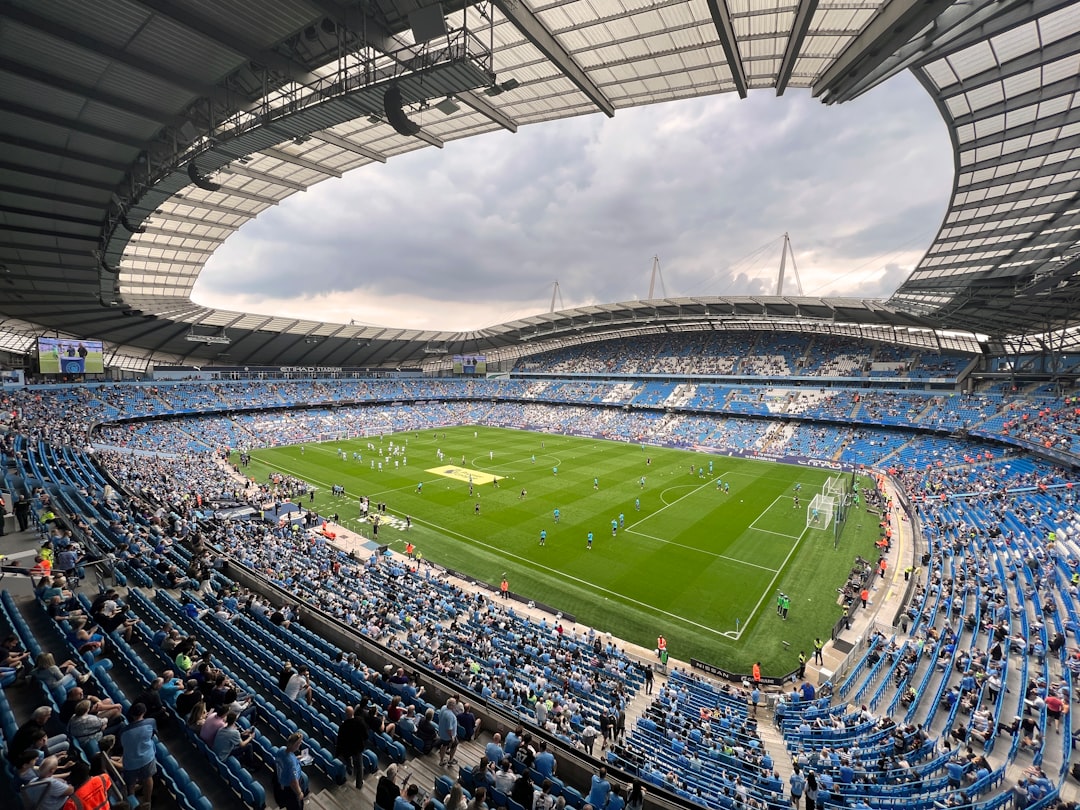
As I sit down to write this, I can’t help but think back to the electrifying atmosphere of the last World Cup. Fans from all over the globe, draped in their national colors, united in their passion for the game. It’s a vivid reminder of how sports transcend borders and foster community. Yet, as thrilling as that scene was, it’s becoming clear that the landscape of athletic competition and spectatorship is evolving rapidly. From technological advancements to shifting cultural attitudes, several trends are shaping the future of sports in ways we may not fully grasp yet.
The Impact of Technology on Sports
The intersection of technology and sports is nothing new, but the pace at which it is advancing is staggering. Consider this: in just a few short years, the way we watch and engage with sports has transformed dramatically.
Enhanced Viewing Experiences
Virtual reality (VR) and augmented reality (AR) are set to redefine how fans experience their favorite sports. Imagine donning a VR headset and being transported to the front row of a stadium, feeling the energy of the crowd as if you were actually there. Companies like NextVR are already experimenting with live sports broadcasts in VR, providing a new layer of immersion that was once the realm of science fiction.
Analytics and Performance Enhancement
On the field, data analytics is revolutionizing training and strategy. Athletes are now equipped with wearable technology that monitors their performance in real-time, allowing coaches to tailor training regimens based on precise metrics. For example, the NBA has embraced advanced stats to analyze player movements, which not only enhances individual performance but also informs team strategies. This data-driven approach is making competition fiercer and more strategic than ever.
Changing Demographics and Fan Engagement
The demographics of sports fans are shifting, and with it, the expectations for engagement. Younger generations, particularly Millennials and Gen Z, are driving a change in how sports teams and organizations connect with their audiences.
The Rise of Social Media
Social media platforms have become vital for engagement. According to a recent report, over 50% of sports fans follow their favorite teams and athletes on social media. This shift has encouraged teams to adopt a more personable approach, sharing behind-the-scenes content and engaging directly with fans. The ability to comment, share, and interact in real-time has created a sense of community that transcends the traditional spectator experience.
Diversity and Inclusion
Another significant trend is the push for diversity and inclusion in sports. From the athletes on the field to the executives in boardrooms, there’s a growing demand for representation across all levels. This shift is not merely about optics; it reflects a broader cultural change that values diverse perspectives and experiences. Initiatives like the NFL’s Rooney Rule and the NBA’s commitment to social justice are steps in the right direction, but the journey is far from complete.
The Evolution of Spectator Sports
As someone who has attended countless sporting events, there’s a palpable difference in the atmosphere today compared to a decade ago. The traditional model of spectators sitting quietly in their seats is evolving into a more dynamic and participatory experience.
Experiential Marketing
Teams are now focusing on creating memorable experiences for fans that go beyond just the game. From interactive fan zones to pre-game concerts, organizations are investing in creating a holistic experience that captures the excitement of the day. This shift is evident in initiatives like the NBA’s “Fan Night,” where fans are invited to participate in various activities before the game, fostering a sense of community and belonging.
Hybrid Events and Accessibility
The COVID-19 pandemic accelerated the trend toward hybrid events, where fans can choose to attend in person or participate virtually. This model not only makes sports more accessible but also opens up new revenue streams for organizations. Imagine a future where you can purchase a ticket for a live game, but also receive a digital experience that allows you to interact with other fans from around the world. The possibilities are vast, and the implications for the future of sports are profound.
Sustainability in Sports
In an era where climate change is at the forefront of global discourse, sustainability is becoming a crucial aspect of sports organizations. Fans are increasingly aware of the environmental impact of large events, and they expect teams to take responsibility.
Green Initiatives
Many organizations are investing in sustainable practices, from energy-efficient stadiums to eco-friendly merchandise. For instance, the Seattle Seahawks’ Lumen Field has implemented a zero-waste program, aiming to divert at least 90% of waste away from landfills. This commitment not only resonates with environmentally conscious fans but also sets a standard for other organizations to follow.
Corporate Responsibility
Moreover, major sponsors are also prioritizing sustainability in their partnerships. Brands are increasingly aligning themselves with organizations that share their values, creating a ripple effect that encourages even more teams and leagues to adopt sustainable practices. This shift is not merely a trend; it’s becoming a fundamental expectation for the future of athletics.
Globalization of Sports
Sports have always had a global reach, but we are witnessing an unprecedented level of globalization. With the rise of international leagues and competitions, the world of sports is more interconnected than ever.
International Leagues and Players
Leagues like the English Premier League (EPL) have expanded their reach, with fans from every corner of the globe tuning in to watch. This globalization has also led to a melting pot of talent, where players from diverse backgrounds converge in leagues far from their homes. It fosters cultural exchange and enriches the playing styles, making competitions more exciting.
Emerging Markets
Countries like India and China are embracing sports at an unprecedented rate. The Indian Premier League (IPL) in cricket is a perfect example of how sports can captivate an entire nation. With millions tuning in, the IPL has created a massive fan base, showcasing the immense potential of emerging markets in the sports ecosystem.
The Role of Esports and New Competitions
While traditional sports continue to thrive, the rise of esports is undeniable. As a long-time gamer myself, I’ve watched as competitive gaming has evolved from a niche hobby into a global phenomenon. Esports tournaments fill stadiums and attract millions of online viewers, presenting a new frontier for competition.
Integration with Traditional Sports
Interestingly, traditional sports leagues are beginning to embrace esports. The NBA has launched the NBA 2K League, allowing players to compete in a virtual version of the sport, effectively bridging the gap between gaming and traditional competition. This integration not only brings new fans into the fold but also offers diverse opportunities for sponsorships and partnerships.
Future of Competitive Gaming
As esports continue to grow, they are reshaping the concept of athletic competition. With skill and strategy at the forefront, this new domain is appealing to younger audiences who may not be traditional sports fans. The question remains: how will traditional sports adapt to this new reality, and what opportunities will arise from this intersection?
Conclusion: Embracing Change in Sports
As we look to the future, it’s clear that the world of sports is undergoing a remarkable transformation. Technology, diversity, sustainability, and globalization are just a few of the trends that are reshaping athletic competition and spectatorship. It’s an exciting time to be a fan, with endless possibilities for engagement and community.
Whether you’re a die-hard sports enthusiast or a casual observer, these changes invite us all to reconsider our relationship with sports. What does it mean to be a fan in this new era? How can we embrace these trends to foster a more inclusive and sustainable sports culture? As we venture into this uncharted territory, one thing is certain: the future of sports is bright, and it’s up to us to shape it.