

The trajectory of Manchester City from European champions to a club grappling with decline has been one of the most compelling narratives in football this season. The Champions League elimination at the hands of Real Madrid was not a single moment of failure but the culmination of a gradual erosion that has raised fundamental questions about the sustainability of even the most successful sporting projects.
This is not a story of financial collapse or institutional incompetence. It is the far more nuanced tale of a squad reaching the end of its competitive cycle, a tactical identity showing signs of vulnerability, and the inevitable challenge of maintaining excellence when the hunger that drove initial success begins to fade. Manchester City’s decline offers lessons for every club that aspires to build a dynasty.
The Champions League Exit: Real Madrid Expose City’s Vulnerabilities
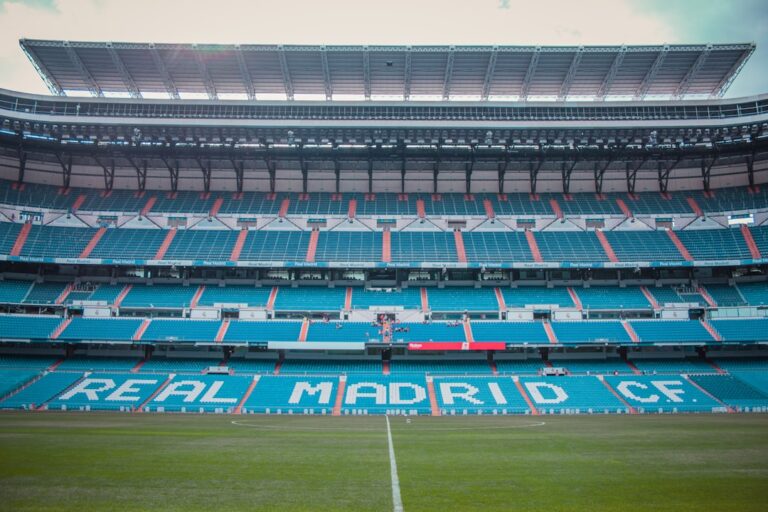
Manchester City’s quarterfinal elimination against Real Madrid crystallized the concerns that have been building throughout the season. The tie revealed a team that still possesses extraordinary individual talent but has lost the collective intensity and tactical precision that made them the best team in European football.
Real Madrid’s approach exploited specific weaknesses in City’s defensive structure that would not have existed two seasons ago. The pressing triggers that once functioned with machine-like precision now left gaps between City’s midfield and defense that Real Madrid’s attackers consistently exploited. The defensive transitions that had been City’s foundation crumbled against the speed and directness that Real Madrid brought to the tie.
As our earlier analysis in the Champions League Quarterfinals: A Tactical Breakdown of Every Tie detailed, the Champions League quarterfinals demand a level of concentration and execution that separates the genuinely elite from the merely very good. City’s performance against Real Madrid fell into the latter category, with individual errors and collective lapses combining to produce an exit that felt inevitable rather than dramatic.
Key Moments That Defined the Tie
The first leg in Madrid set the tone. City’s inability to control possession in the manner that defines their identity allowed Real Madrid to impose their own rhythm on the game. The second leg at the Etihad Stadium brought an improved performance, but the improvement was not sufficient to overcome the deficit, and City’s late surge carried the desperation of a team that knew their season’s primary objective was slipping away.
The Premier League Decline: From Dominant to Inconsistent
City’s Champions League exit cannot be viewed in isolation from their Premier League struggles. A team that won four consecutive league titles with a consistency that redefined English football has become unpredictable, capable of producing commanding performances one week and bewildering defeats the next.
| Metric | Title-Winning Season | Current Season | Change |
|---|---|---|---|
| Points Per Game | 2.63 | 2.08 | -0.55 |
| Goals Per Game | 2.68 | 1.94 | -0.74 |
| Goals Conceded PG | 0.79 | 1.34 | +0.55 |
| Clean Sheets | 18 | 9 | -9 |
| Possession % | 67.3% | 62.1% | -5.2% |
| xG Overperformance | +8.4 | -3.2 | -11.6 |
The statistical decline is stark. City’s points-per-game average has dropped significantly, their goal-scoring has diminished, and their defensive record has deteriorated from the best in the league to merely average. Most tellingly, their expected goals overperformance has swung from positive to negative, suggesting that the clinical finishing and defensive fortune that characterized their best seasons have reversed.
The The Premier League Title Race: Why This Season Has No Clear Favourite title race has evolved without City as genuine participants for the first time in years. Their absence from the top of the table has created space for other contenders to emerge, fundamentally altering the competitive dynamics of English football’s top division.
The Aging Squad Problem: When Champions Grow Old Together
Manchester City’s squad construction during their period of dominance prioritized immediate excellence over long-term succession planning. The core players who delivered the Premier League titles, the Champions League, and the historic Treble have aged together, creating a collective decline that has been more sudden and comprehensive than the gradual erosion that typically characterizes aging squads.
The midfield unit that was once the envy of European football has lost the stamina and mobility that made City’s pressing game so devastating. Individual players who could previously sustain high-intensity pressing for ninety minutes now require management and rest, undermining the tactical system’s effectiveness and forcing compromises in team selection that affect overall cohesion.
The defensive line has been particularly affected. The speed decline that affects all players as they age has been exposed by opponents who now target City’s high defensive line with pace and directness. Where City’s defenders once had the acceleration to recover from aggressive positioning, they now find themselves caught between retreating to a safer line and maintaining the high press that their tactical system demands.
Recruitment Shortcomings
City’s recruitment strategy during their dominant years focused on marginal improvements to an already exceptional squad rather than planning for wholesale renewal. This approach made sense in the short term but has created a long-term challenge that is now manifesting in the team’s declining performance.
The contrast with clubs like Arsenal, who invested in young talent during their competitive rebuilding phase, is instructive. While City were accumulating trophies, other clubs were accumulating the young players who would eventually challenge City’s supremacy. That investment is now paying dividends for City’s rivals while the champions face the prospect of simultaneous rebuilding across multiple positions. Analysis from BBC Sport’s football coverage has documented how City’s age profile compares unfavorably with the Premier League’s emerging challengers.
The Post-Guardiola Question: Can Anyone Replicate the System?
Pep Guardiola’s influence on Manchester City extends far beyond tactical innovation. He has shaped the club’s identity, its recruitment philosophy, and its competitive mentality in ways that make succession planning extraordinarily complex. The question of what comes after Guardiola is not simply about hiring a new manager but about whether City’s entire footballing infrastructure can function without the individual who designed it.
Guardiola’s tactical system requires players to make decisions within a framework of positional principles that takes years to fully internalize. A new manager inheriting City’s current squad would face the challenge of either maintaining a system that the players understand but that may be declining in effectiveness, or implementing a new approach with players who have spent their entire City careers operating within Guardiola’s parameters.
The historical precedent for post-dynasty management transitions is not encouraging. Barcelona’s decline after Guardiola’s departure required years of rebuilding before competitiveness was restored. Bayern Munich’s post-Guardiola era produced domestic success but European frustration. Manchester United’s experience after Sir Alex Ferguson remains the cautionary tale that haunts every dominant club approaching a managerial change.
Tactical Decline: When the System Stops Working
City’s tactical identity under Guardiola was based on principles of positional play that created numerical superiority across the pitch. The system demanded extraordinary technical quality, positional intelligence, and physical capacity from every player, and when all three elements were present, the result was a style of football that opponents could admire but not replicate or consistently counter.
The decline in physical capacity has been the most damaging factor. Positional play without pressing intensity allows opponents to settle on the ball and find passing lanes that did not exist when City’s players were closing space with the energy of their peak years. The system’s effectiveness depended on the transition from losing possession to regaining it happening within seconds; that transition now takes longer, giving opponents time to establish attacks.
Opposition managers have also become more sophisticated in their approaches to playing against City. The tactical innovations that Guardiola introduced have been studied, analyzed, and countered by coaching staffs across Europe. What was once revolutionary has become familiar, and the element of tactical surprise that contributed to City’s dominance has been significantly diminished. Coverage from ESPN Football highlights how multiple Premier League managers have developed specific anti-City strategies that exploit the system’s structural vulnerabilities.
The Pressing Problem in Numbers
City’s pressing statistics tell a compelling story of decline. Their recoveries in the opposition half have decreased markedly, while the time they take to regain possession after losing it has increased. These numbers quantify what the eye test confirms: City no longer impose the suffocating pressure that was the foundation of their dominance.
The Financial and Institutional Dimension
Manchester City’s financial resources remain formidable, providing the foundation for any rebuilding effort. The club’s revenue generation, commercial partnerships, and ownership investment ensure that the resources required for squad renewal are available. Financial constraints will not prevent City from assembling a squad capable of challenging for major honours.
However, the ongoing regulatory situation adds complexity to City’s strategic planning. The outcomes of various proceedings could influence the club’s ability to operate with the financial freedom that characterized their period of dominance. While the specifics remain uncertain, the possibility of restrictions on spending or other measures creates a planning challenge that City’s competitors do not face.
The institutional knowledge within City’s football operation represents an underappreciated asset. The staff who supported Guardiola’s vision understand the principles of squad building, tactical preparation, and match-day execution at the highest level. Retaining this institutional knowledge through any managerial transition will be crucial to minimizing the disruption that typically accompanies the end of a dominant era. As noted in our How Formula 1’s New Engine Rules Are Reshaping the Grid analysis, organizational stability during periods of regulatory change often determines which institutions emerge stronger.
What Comes Next: The Rebuild Roadmap
Manchester City’s path back to the summit of English and European football will require strategic patience and decisive action in equal measure. The immediate priority is identifying which members of the current squad possess the quality and desire to contribute to the next competitive cycle, and which should be moved on to fund the recruitment of younger alternatives.
The midfield requires the most urgent attention. The decline in City’s pressing intensity and possession dominance is directly linked to the physical limitations of their current midfield options. Recruiting dynamic, high-energy midfielders who can sustain the pressing demands of a Guardiola-style system, or whatever system his successor implements, is the most important step in any rebuild.
Defensive reinforcement is the second priority. City’s high defensive line requires defenders with the pace and positional awareness to function in an aggressive system without being exposed by opponents who exploit the space behind. The current defensive options lack the collective speed to maintain this approach, necessitating investment in younger, quicker alternatives.
The attacking positions are less urgently in need of renewal, though the departure of specific key individuals could create gaps that require immediate attention. City’s academy continues to produce talented young players who could contribute to the first team with appropriate development, providing a cost-effective complement to transfer market activity.
Timeline for Recovery
History suggests that even the most well-resourced clubs require two to three transfer windows to complete a comprehensive squad rebuild. City’s financial capacity could accelerate this timeline, but the integration of multiple new players into a cohesive unit takes time regardless of the investment involved. Supporters should expect a period of transition that may include seasons without major trophy success, a prospect that will test the patience of a fanbase that has become accustomed to annual celebrations.
Frequently Asked Questions
What happened to Manchester City in the Champions League?
Manchester City were eliminated by Real Madrid in the Champions League quarterfinals after failing to overcome the Spanish giants over two legs. The exit continued a pattern of European disappointment following their Treble-winning campaign.
Is Pep Guardiola still Manchester City’s manager?
Questions about Guardiola’s future have intensified following City’s decline. While the specific timing of any managerial change depends on multiple factors, the post-Guardiola era is a topic of active discussion among football analysts and City supporters.
Why has Manchester City’s form declined?
Multiple factors have contributed, including an aging squad core, the physical toll of consecutive seasons competing across multiple competitions, recruitment decisions that have not adequately replaced key departing players, and potential complacency following the historic Treble achievement.
How is Manchester City performing in the Premier League?
City have struggled to replicate their dominant league form of previous seasons, with inconsistent results dropping them out of genuine title contention for the first time in several years. Their defensive vulnerabilities and inconsistent attacking output have been primary concerns.
Can Manchester City rebuild to challenge again?
City possess the financial resources, infrastructure, and institutional knowledge to rebuild effectively. However, the challenge of replacing generational talents and potentially a generational manager means any rebuild will require patience and strategic vision that extends beyond short-term fixes.
Editorial Disclaimer
This article is intended for informational and entertainment purposes only. The analysis, predictions, and opinions expressed are those of the editorial team and do not constitute professional advice. Statistics and results referenced are accurate at the time of publication. Readers are encouraged to verify current standings and results through official league and tournament sources.