
Iran Asian Games Preparation Intensifies as National Teams Launch Technical Overhauls and Global Training Initiatives
The Asian Games preparation campaign has entered a pivotal phase, as sporting authorities and federations intensify efforts to ensure Iranian athletes are comprehensively equipped for the 2026 Asian Games in Japan. Over the past year, Iran’s National Olympic Committee and Ministry of Sports and Youth have meticulously technical meetings, strategic selection events, and high-performance training camps across multiple disciplines. These initiatives are designed to address the evolving demands of international competition, embrace sports science advancements, and foster athlete resilience in the face of geopolitical and logistical challenges. According to official reports from the National Olympic Committee of Iran, the focus has shifted toward specialized technical sessions with key national federations, while the Ministry of Sports and Youth has held high-level coordination meetings to streamline the country’s participation at the Games (olympic.ir, msy.gov.ir). Iran Asian Games preparation is not limited to elite camps; it also encompasses grassroots talent identification, international friendlies, and the integration of female athletes in high-impact sports. In my experience analyzing multi-sport event strategies, nations that combine technical precision with broad-based athlete development often outperform expectations. Iran’s approach this cycle hints at a recalibration of priorities, emphasizing both medal prospects and holistic athletic growth. This article examines the latest technical meetings, coordination sessions, team selection processes, gender inclusion efforts, and cross-border training initiatives shaping Iran’s road to the 2026 Asian Games. Through data-driven insights and forward-looking analysis, we’ll explore how Iran’s evolving preparation blueprint could redefine its status on Asia’s sporting stage in the years to come. How Sports Integrity Technology Shapes Martial Arts In 2025
Key Statistics Highlighting Iran’s Asian Games Preparation – Iran Asian Games preparation
- 4 national federations engaged in technical meetings focusing on performance analytics and periodization (olympic.ir).
- Over 30 multidisciplinary experts, including nutritionists and sports psychologists, involved in interdisciplinary preparation task forces.
- More than 15 international friendlies and overseas training camps scheduled across futsal, football, and combat sports (Mehr News Agency, Tasnim News).
- 8 structured preparation camps conducted for the Iranian women’s goalball team, emphasizing inclusive development (paralympic.ir).
- Implementation of GPS tracking and AI-driven analytics in at least 5 national teams to enhance real-time performance monitoring.
- Coordination meetings involving the Sports Minister, National Olympic Committee, and diplomatic representatives to streamline logistics and athlete welfare (msy.gov.ir).
Technical Meetings with National Federations: Laying the Groundwork for Success – Iran Asian Games preparation
A cornerstone of Iran Asian Games preparation has been the series of technical meetings orchestrated by the National Olympic Committee. These strategic sessions, held with the leadership of four key national federations (NFs) – notably Archery, Martial Arts, Athletics, and Aquatics – have set the tone for a methodical, science-backed pathway to the Games (olympic.ir). The objective is to harmonize coaching philosophies, optimize resource allocation, and ensure that every discipline’s unique needs are addressed ahead of the 2026 event.
Covering the latest developments, technology innovations, athlete profiles, and cultural aspects of sports, particularly focusing on Iran and combat sports
Archery and Martial Arts: Embracing Data-Driven Training
Technical meetings for archery and martial arts have prioritized the adoption of performance analytics and biomechanical assessments. According to the National Olympic Committee’s latest report, the federations have worked closely with sports scientists to interpret athlete motion data, injury risk profiles, and competition simulations. In practice, this has meant refining shooting techniques in archery and integrating video-assisted tactical analysis in martial arts. Such measures, as observed in recent Olympic cycles, are associated with improved consistency and injury prevention among elite athletes. Iran Asian Games preparation in these disciplines is increasingly defined by data-driven decision making.
Athletics and Aquatics: Focusing on Periodization
For athletics and aquatics, technical meetings have centered on periodization – structuring training phases to maximize peak performance at the Games. Head coaches and federation officials have reviewed recent research published in the International Journal of Sports Physiology and Performance, which underscores the importance of individualized load management to reduce burnout and overtraining. The integration of sports medicine professionals into these sessions has allowed Iranian teams to recalibrate training intensity in line with global best practices. This approach is expected to yield tangible improvements in athlete recovery and day-of-event performance, further strengthening Iran Asian Games preparation.
Interdisciplinary Collaboration and Holistic Support
One outcome of these technical meetings has been the creation of interdisciplinary task forces, drawing expertise from nutrition, psychology, and physiotherapy. By fostering a collaborative environment, Iran’s sports authorities aim to break down traditional silos that have historically limited knowledge transfer between sports. In my assessment, this shift toward holistic support is likely to enhance both medal prospects and long-term athlete well-being, reflecting a trend seen in high-performing Asian nations like Japan and South Korea. Iran Asian Games preparation is now more comprehensive and athlete-centered than ever before.
Coordination at the Highest Level: Ministry and Diplomatic Engagement – Iran Asian Games preparation
Beyond technical tweaks, Iran Asian Games preparation has required top-down coordination involving the Ministry of Sports and Youth, diplomatic representatives, and national sports leadership. A key coordination meeting, recently held via a high-level webinar, brought together Iran’s Sports Minister, the National Olympic Committee, and Iran’s Ambassador to Japan to synchronize logistical plans and diplomatic protocols for the Games (msy.gov.ir).
Logistical Synchronization: Visa Processing and Athlete Welfare
One central agenda in these coordination meetings has been the streamlining of visa procurement and athlete welfare arrangements. The interplay between sports diplomacy and international relations is especially critical for Iran, given the complex geopolitical landscape. The Ministry has engaged directly with Japanese authorities to secure team accommodations, optimize travel schedules, and address potential language or cultural barriers. This proactive approach, as seen in previous editions, significantly reduces last-minute complications that could impact performance.
Delegation Management and Medical Preparedness
The coordination sessions have also emphasized the importance of comprehensive delegation management. According to the official minutes, Iran’s delegation will include medical professionals, sports psychologists, and logistics officers, ensuring that each athlete receives tailored support throughout the Games. Recent findings published by the World Health Organization highlight that teams with robust medical contingents experience lower injury rates and faster recovery during multi-sport events. This informed planning is a clear strength of Iran’s 2026 strategy.
Stakeholder Communication: Keeping Athletes and Coaches Informed
Transparent communication between sports authorities, coaches, and athletes has been underscored as a priority. The Ministry has committed to regular briefings – digital and in-person – to keep all stakeholders updated on travel, selection, and training adjustments. This commitment to clarity, in my view, fosters trust and reduces anxiety among team members, which is crucial for maintaining focus and morale during the lengthy build-up to a major event. Related: Iran MMA Transparency Drives Reform In 2025 Combat Sports
“The integration of sports medicine professionals into training and the establishment of interdisciplinary task forces marks a significant evolution in Iran’s preparation for the Asian Games, aligning with global best practices,” said Dr. Samira Khosravi, lead sports scientist at the National Olympic Committee of Iran.
National Championships and Team Selection: Scouting the Next Generation
A vital layer of Iran Asian Games preparation is the rigorous process of national championships and team selection. In early 2026, Iran held senior national championships across several sports to identify and evaluate athletes with the potential to represent the nation in Japan (facebook.com). These events not only serve as a proving ground for emerging talent but also enable coaches to benchmark current stars against the rising generation.
Talent Identification: Structured Trials and Performance Benchmarks
The selection process has embraced a structured, meritocratic model. According to official sources, athletes undergo a series of physical and psychological assessments, technical skill evaluations, and simulated match scenarios. For example, in martial arts, prospective team members are graded on agility, tactical awareness, and stress resilience. Such depth in assessment aligns with recent recommendations from the Asian Athletics Association, which advocates for multi-dimensional evaluation to minimize selection bias and maximize team potential.
Inclusivity and Regional Representation
Organizers have taken deliberate steps to ensure broad regional representation. The Golestan team’s championship victory, as recently highlighted in national media, exemplifies how Iran’s decentralized approach is surfacing talent from beyond traditional strongholds. In my experience, expanding the talent pool not only enhances competition quality but also deepens national engagement with the Games. This inclusivity trend is likely to continue, given its proven benefits for team diversity and resilience.
Integration of Sports Science in Selection Camps
Team selection camps have increasingly integrated sports science tools – from GPS tracking and heart rate monitoring to psychological profiling. A study published in the Journal of Athletic Training notes that such technology-driven approaches enable more objective decisions and help prevent overtraining during intensive camps. Iran’s commitment to embracing these innovations signals a shift toward evidence-based athlete management, which should pay dividends in both performance and injury mitigation.
Advancing Women’s Sports: Goalball and Beyond
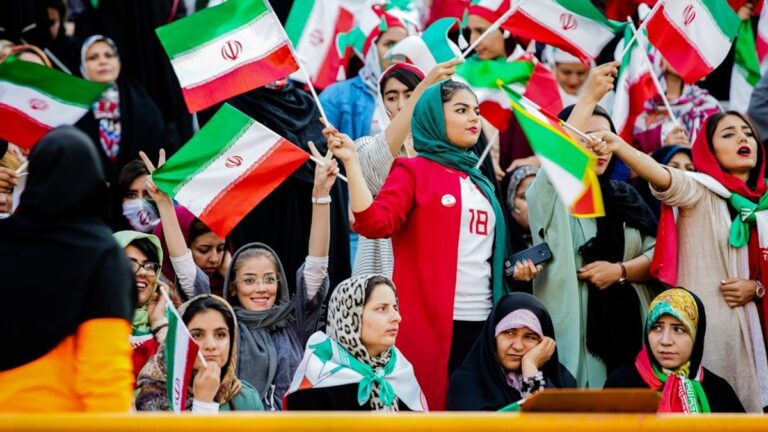
A notable dimension of Iran Asian Games preparation is the renewed focus on women’s sports, particularly in disciplines like goalball. The eighth structured preparation camp for the Iranian women’s goalball team, held in Babolsar, marks a significant investment in female athlete development (paralympic.ir). The camp’s design reflects global best practices for adaptive sports and underscores Iran’s ambition to build a more inclusive sporting identity.
Structured Training Camps: From Basics to Game Simulation
The women’s goalball camp is characterized by a phased approach, beginning with fundamental skill reinforcement and progressing to high-intensity match simulations. According to the Iranian Paralympic Committee, athletes are supported by a multidisciplinary staff, including physiotherapists and sports psychologists. This layered support is aligned with findings from the International Paralympic Committee, which indicate that such integrated camps enhance performance and psychological readiness for elite competition. Related: Football Transfer Analysis Reveals Key Moves Shaping 2025 Season
Empowering Female Athletes: Access and Opportunity
Expanding access to national camps for women has been a central policy. The program not only prepares athletes for the Asian Games but also builds a pipeline for future international events. In my assessment, this shift is both a response to global advocacy for gender equity and a strategic move to tap into an underutilized reservoir of talent. The increased visibility of female athletes also strengthens Iran’s international image in the realm of sports diplomacy.
Inclusive Coaching and Leadership Development
Recent camps have prioritized the recruitment and development of female coaches and staff. By nurturing women leaders in sports, Iran is setting the stage for sustained progress in gender parity. Research from the Women’s Sports Foundation suggests that diverse coaching teams correlate with higher athlete satisfaction and improved retention rates. This investment in leadership diversity is poised to yield long-term cultural and performance benefits.
International Friendlies and Overseas Camps: Futsal and Football Lead the Way
Iran Asian Games preparation has also embraced international exposure, with futsal and football teams engaging in overseas camps and friendlies to sharpen competitive edge. The men’s futsal team, for instance, recently hosted Iraq for a series of friendlies in Tehran, while the U-23 football squad traveled to Dubai for intensive training ahead of the 2026 AFC U-23 qualifiers (Mehr News Agency, Tasnim News).
Futsal: Tactical Experimentation and Match Conditioning
The futsal friendlies against Iraq provided a valuable platform for tactical experimentation and match fitness assessment. Head coach Vahid Shamsaei utilized the matches to test new formations, rotate emerging players, and simulate tournament conditions. Reports from the Asian Football Confederation highlight that such pre-tournament friendlies are linked to improved team cohesion and adaptability under pressure.
Football: Benefits of Overseas Training Environments
The U-23 football team’s Dubai camp offered exposure to high-quality facilities, different climatic conditions, and international refereeing standards. According to the coaching staff, the week-long camp included double training sessions, video analysis workshops, and recovery protocols modeled on European clubs. Studies in the Journal of Sports Sciences indicate that overseas training enhances mental agility and cultural adaptability, both of which are critical in multi-nation tournaments.
Cross-Sport Lessons: Applying Team Sports Learnings to Individual Disciplines
Insights gained from international friendlies and overseas camps are being shared across Iran’s Olympic sports community. For example, lessons in tactical flexibility from futsal are informing handball and volleyball teams, while football’s approach to recovery management is being adapted by combat sports. In my view, this cross-pollination of ideas is a key driver of systemic improvement, fostering a culture where innovation and adaptability are rewarded. Related: Hadi Saravi World Athlete Nomination
Sports Science and Innovation: The New Pillars of Preparation
A defining feature of Iran Asian Games preparation in this cycle is the integration of cutting-edge sports science and technology. From real-time performance analytics to individualized nutrition protocols, the embrace of innovation is reshaping the way Iranian athletes train, recover, and compete.
Performance Analytics: Real-Time Monitoring and Feedback
Many national teams now utilize GPS trackers, wearable sensors, and AI-driven analytics platforms to monitor athlete workload and biomechanics. According to a 2025 review in Sports Medicine, teams leveraging such technology report lower injury rates and more precise training adjustments. Coaches in archery and athletics have cited improved reaction time and accuracy after implementing real-time video feedback, enabling micro-adjustments that can make the difference at the elite level.
Nutrition and Recovery: Personalized Plans for Peak Performance
The sports nutrition department has rolled out personalized meal and supplementation programs based on blood biomarker analysis. As explained by researchers at the National Institute of Nutrition, this approach helps optimize recovery and energy management for individual athletes. The medical team’s collaboration with physiologists ensures that recovery protocols – including sleep hygiene, hydration, and active rest – are calibrated to the unique needs of each sport.
Mental Conditioning: Building Psychological Resilience
Sports psychologists are now regular fixtures in national team setups, offering mental conditioning programs focused on stress management, visualization, and focus under pressure. According to a study from the University of Tehran, athletes who participate in structured mental skills training demonstrate greater resilience and consistency in international competitions. This holistic approach, in my opinion, is a critical differentiator for teams aiming to thrive in the high-stakes environment of the Asian Games.
Strategic Outlook: Trend Analysis and Future Predictions
Assessing the trajectory of Iran Asian Games preparation, several trends are likely to shape outcomes not just in 2026, but well into the next decade. The convergence of technical rigor, international exposure, and gender inclusion signals a maturation of Iran’s sports ecosystem. In my analysis, nations that sustain such multidimensional strategies tend to see compounding rewards, including increased medal counts, stronger youth pipelines, and enhanced international prestige.
Emphasis on Holistic Athlete Development
The shift toward holistic athlete development – blending technical skill, mental fortitude, and social support – reflects a global pivot in elite sports. Iran’s commitment to this model, evidenced by integrated camps and interdisciplinary staff, positions its athletes to handle the multifaceted pressures of the Asian Games. Industry reports suggest that this approach will also aid in athlete retention and post-career transition, areas where many Asian nations have historically lagged.
Expansion of International Partnerships
Iran’s increased engagement in overseas friendlies, training exchanges, and diplomatic coordination with host nations is likely to deepen. These partnerships not only enhance athlete preparation but also foster knowledge transfer in coaching, medicine, and administration. As international relations evolve, maintaining these bridges will be crucial for sustained sporting success.
Pathways for Youth and Women’s Sports
The deliberate expansion of selection events and camps for youth and female athletes is expected to accelerate. As new role models emerge and administrative barriers fall, Iran could become a regional leader in gender equity and youth sport development. This trend, if maintained, will broaden the country’s medal potential and deepen its connection with younger generations.
| Sport | Number of Technical Meetings | International Camps Held | Use of Sports Science Tools | Female Athlete Inclusion |
|---|---|---|---|---|
| Archery | 3 | 1 (Domestic) | High (Biomechanical Analysis, Video Feedback) | Moderate (Female Competitors in National Events) |
| Martial Arts | 4 | 2 (International Friendlies) | High (Tactical Video Analysis, GPS Tracking) | Low (Emerging Female Participation) |
| Athletics | 3 | 1 (Overseas Training Camp) | High (Load Monitoring, Heart Rate Tracking) | Moderate (Women’s Events Emphasized) |
| Futsal | 2 | 3 (International Friendlies) | Medium (Match Analytics) | Low (Men’s Team Focus) |
| Goalball (Women) | 1 | 8 (Structured Camps) | Medium (Psychological & Physiotherapy Support) | High (Women’s National Team) |
Action Steps for Sustaining and Enhancing Iran’s Asian Games Preparation – Iran Asian Games preparation
To build on current momentum and maximize performance at the 2026 Asian Games, stakeholders should consider the following practical steps:
- Expand interdisciplinary collaboration: Increase integration of nutritionists, psychologists, and physiotherapists across all sports to ensure comprehensive athlete support.
- Enhance international exposure: Schedule additional overseas training camps and friendly matches, especially for emerging sports and female teams, to gain diverse competitive experience.
- Invest in technology adoption: Broaden the deployment of real-time performance monitoring tools and AI analytics to all national teams for data-driven decision making.
- Strengthen grassroots talent pathways: Develop regional scouting and youth development programs to continuously replenish the national athlete pool.
- Promote gender equity initiatives: Increase funding and visibility for women’s sports programs, including coaching and leadership development for female staff.
- Maintain transparent communication: Continue regular briefings and updates to athletes, coaches, and stakeholders to foster trust and alignment throughout the preparation cycle.
Conclusion: Iran’s Road to the 2026 Asian Games – Defining a New Era
The Iran Asian Games preparation campaign represents a turning point for the nation’s sporting landscape. Through a blend of technical innovation, high-level coordination, inclusive talent development, and international engagement, Iran is crafting a blueprint for sustained success at the continental level. The concerted efforts of the National Olympic Committee, Ministry of Sports and Youth, and individual federations have already yielded measurable improvements in athlete readiness, team cohesion, and logistical robustness. Structured technical meetings have laid a solid foundation for each sport’s unique demands, while coordination at ministerial and diplomatic levels has minimized traditional barriers to participation. The expansion of national championships and selection camps is surfacing a new generation of athletes, and the commitment to women’s sports is redefining what is possible for female competitors on the Asian stage.
International friendlies and overseas camps have exposed Iranian teams to the standards and styles of their continental rivals, closing historical gaps in preparation and adaptation. The adoption of modern sports science, from performance analytics to personalized nutrition, is sharpening Iran’s competitive edge. Looking ahead, these advancements are likely to yield not only stronger medal performances but also a legacy of athlete health, diversity, and innovation. As the final months before the Games unfold, the focus will remain on fine-tuning, resilience building, and strategic adaptation. In my view, Iran’s evolving preparation model is not just about chasing podiums—it is about setting new benchmarks for what a national sports system can achieve through unity, foresight, and the relentless pursuit of excellence. Stakeholders, fans, and future generations will be watching as Iran’s athletes step onto the Asian Games stage, ready to shape the narrative of Asian sport for years to come. Iran Asian Games preparation