



Sardar Azmoun’s Return to Team Melli: A New Chapter for Iranian Football?
By Alex Riley
Azmoun’s Initial Retirement and the Reasons Behind It
In 2022, the Iranian football world was shaken when Sardar Azmoun, one of its brightest stars, announced his retirement from international football. This decision came on the heels of Iran’s disappointing exit from the 2022 FIFA World Cup. Azmoun cited the online abuse directed at his family, particularly concerning his mother’s health, as a primary reason for his unexpected retirement. This revelation struck a chord with many fans and highlighted the often-overlooked personal challenges athletes face.
The Circumstances Leading to His Comeback
Fast forward to 2023, and Azmoun made headlines again, this time for his return to Team Melli. This decision was spurred by a combination of factors: passionate pleas from fans, encouragement from teammates, and the strategic vision of Iran’s new head coach, Amir Ghalenoei. I remember reading an article about how the national team held a heartfelt meeting, where players and coaching staff expressed their support, urging Azmoun to reconsider. This collective effort paved the way for his comeback, much to the delight of Iranian football enthusiasts.
Public and Media Reaction to Azmoun’s Decision
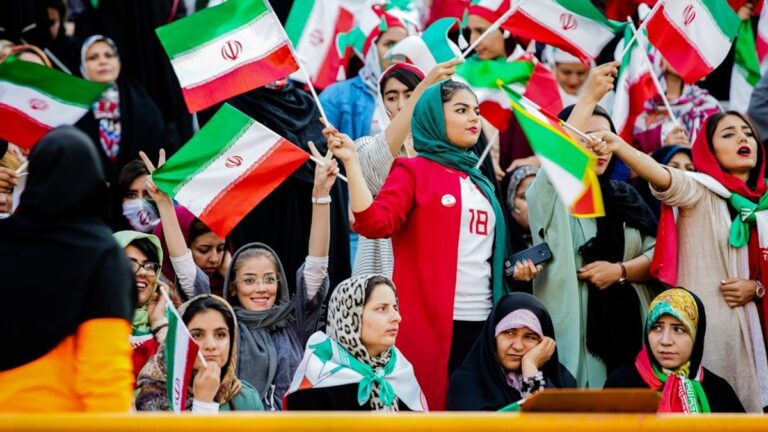
The response to Azmoun’s return was overwhelmingly positive. Fans flooded social media with messages of support, celebrating the return of their beloved striker. However, some media outlets raised questions about his initial retirement decision, speculating about its timing and implications. Nevertheless, the prevailing sentiment was one of relief and excitement, as Azmoun’s presence was seen as a boost to Iran’s footballing prospects.
Azmoun’s Performance Since Returning to the National Team
Since rejoining Team Melli, Azmoun has not disappointed. He has been a key figure in several pivotal matches, scoring crucial goals in both friendly and competitive fixtures. His performance on the pitch demonstrated his enduring talent and commitment to the national team. I recall watching a particularly thrilling match where Azmoun’s late goal secured a much-needed victory for Iran, reminding everyone of his knack for delivering under pressure.
The Impact of Azmoun’s Presence on Team Melli’s Dynamics
Azmoun’s return has undoubtedly invigorated the team’s dynamics. His experience and leadership have been invaluable, especially to younger players looking up to him as a role model. The morale and attacking prowess of Team Melli have visibly improved, a testament to Azmoun’s influence on and off the field. His presence is not just about scoring goals; it’s about inspiring a team to believe in its potential.
Looking Ahead: Azmoun’s Role in Iran’s Future Football Ambitions
Looking towards the future, Azmoun is expected to play a pivotal role in Iran’s qualifying campaign for the 2026 FIFA World Cup. His skills and experience are seen as crucial to achieving success in upcoming international tournaments. As Iran sets its sights on new heights, Azmoun’s contribution could be the difference between near-misses and triumphs.
The Legacy of Sardar Azmoun: A Player Defining a Generation
Sardar Azmoun’s career has been a rollercoaster of highs and lows, but his legacy is undoubtedly that of a player who defined a generation of Iranian football. Despite facing criticism and challenges, his influence and popularity remain unshaken. Azmoun’s journey serves as a reminder of the resilience and passion that characterize the spirit of Iranian football.
As we reflect on Azmoun’s contributions, his story offers valuable lessons about perseverance and the power of community support in sports. His return to Team Melli marks not just a new chapter for him but a potential turning point for Iranian football on the global stage.
By: Alex Riley
The Evolution of Sports in Iran
Iran boasts one of the richest sporting traditions in the world, with athletic culture dating back thousands of years. The ancient Persian empire valued physical fitness and martial prowess, creating structured training systems that influenced civilizations across Asia and Europe. This heritage continues to shape Iranian sports culture today, combining traditional values with modern athletic excellence.
Zurkhaneh, the traditional house of strength, represents the quintessential Iranian approach to athletics—combining physical training with spiritual development and cultural values. This ancient institution has produced generations of champions across various sports, particularly wrestling, where Iran consistently ranks among the worlds elite nations.
Iranian Wrestling Tradition
Wrestling holds a special place in Iranian culture, considered both a sport and a national treasure. Iranian wrestlers have dominated international competitions for decades, winning numerous Olympic and World Championship medals. The systematic development of wrestling talent, from grassroots programs to elite national teams, serves as a model for sports development globally.
The success of Iranian wrestling reflects the countrys deep investment in combat sports infrastructure. Training centers across the nation identify and develop promising athletes from a young age, providing world-class coaching and facilities. This pipeline of talent ensures Iran remains competitive at the highest levels of international wrestling.
Iranian Football Evolution
Football is the most popular sport in Iran, with millions of passionate fans following both domestic and international competitions. The Persian Gulf Pro League features historic clubs like Persepolis and Esteghlal, whose rivalry is one of the most intense in Asian football. These matches draw massive crowds and capture the nations attention.
Team Melli, the national team, represents Iranian football on the world stage. Multiple World Cup appearances have demonstrated Iran capabilities against global footballing powers. The development of Iranian talent for European leagues has increased international recognition of Iranian football, with players like Sardar Azmoun and Mehdi Taremi showcasing Iranian excellence abroad.
Upcoming Athletic Opportunities
Beyond traditional strengths, Iran is developing programs in emerging sports to diversify its athletic portfolio. Volleyball has seen tremendous growth, with the national team achieving consistent success in Asian competitions and improving its global ranking. Other sports like basketball, taekwondo, and weightlifting also show promising development.
Investment in sports infrastructure continues to expand opportunities for Iranian athletes. New training facilities, coaching education programs, and athlete support systems are being developed across the country. These investments, combined with Iran rich sporting culture and passionate population, position the nation for continued athletic success in the coming decades.
Building Blocks of Team Melli
Success in team melli comes from combining knowledge with consistent practice and smart preparation.
Recovery and rest are integral parts of any team melli program. The body and mind both require time to adapt to training stimuli. Ignoring recovery needs leads to diminished returns and increased injury risk.
Enhancing Your Team Melli Abilities
Equipment and environment play supporting roles in team melli performance. While not substitutes for skill and preparation, appropriate tools and settings remove unnecessary barriers to success. Invest thoughtfully based on your commitment level.
The community of team melli practitioners welcomes those committed to improvement. Engage with others who share your interests to accelerate learning and enrich your experience.
Building Blocks of Team Melli
Success in team melli comes from combining knowledge with consistent practice and smart preparation.
Recovery and rest are integral parts of any team melli program. The body and mind both require time to adapt to training stimuli. Ignoring recovery needs leads to diminished returns and increased injury risk.
Enhancing Your Team Melli Abilities
Equipment and environment play supporting roles in team melli performance. While not substitutes for skill and preparation, appropriate tools and settings remove unnecessary barriers to success. Invest thoughtfully based on your commitment level.
Moving forward with team melli requires balancing ambition with patience. Set challenging goals while accepting that meaningful achievement takes time. The journey itself offers rewards beyond any destination.
Measuring Progress in Team Melli
Effective progress tracking in team melli requires identifying meaningful metrics. Quantitative measures provide objective data while qualitative assessments capture nuances that numbers miss. Regular self-evaluation sessions help recognize improvements that accumulate gradually. Compare current performance against past benchmarks rather than against others whose circumstances differ. Set milestone targets that mark significant achievements along your journey. Adjust tracking methods as your goals evolve and you better understand what matters most. Documentation creates valuable records for future reference and motivation during challenging periods.
Resources for Team Melli Improvement
Quality resources accelerate team melli development significantly. Books, courses, and instructional materials provide structured learning paths. Online communities offer support, accountability, and diverse perspectives. Mentors and coaches provide personalized guidance tailored to your specific needs. Evaluate resources critically before investing time or money—popularity does not guarantee quality. Seek recommendations from trusted sources who understand your goals. Balance consumption of information with actual practice; learning without application produces limited results. Build a personal library of materials you can revisit as your understanding deepens.
Common Challenges in Team Melli
Every team melli practitioner faces obstacles on their journey. Plateaus in progress test commitment and require patience to overcome. External pressures and competing priorities demand effective time management. Self-doubt occasionally undermines confidence despite objective evidence of improvement. Recognizing these challenges as normal parts of the process helps maintain perspective. Connect with others pursuing similar goals to share experiences and strategies. Sometimes the best approach to a stubborn problem is stepping back briefly before returning with fresh perspective. Persistence through difficulties builds resilience that serves you well beyond any single pursuit.