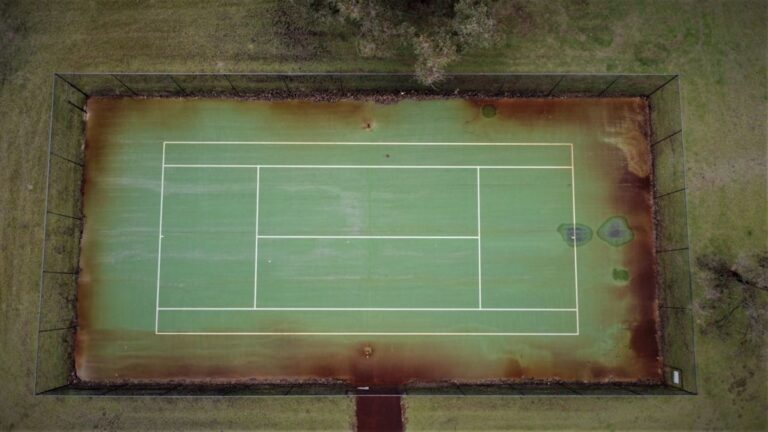
From the bustling courts of Tehran to the tranquil settings of Kish Island, a new sporting fervor is gripping Iran: padel tennis. As a sports journalist who’s witnessed the rise and fall of countless athletic trends, I can confidently say this is unlike anything I’ve seen in recent years. The infectious energy surrounding padel is palpable, transforming the Iranian sports landscape and captivating a diverse cross-section of society.
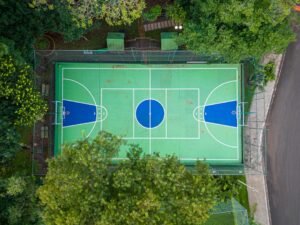
But what exactly is driving this meteoric rise? The accessibility of the sport plays a crucial role. Unlike tennis, which often requires extensive training and specialized equipment, padel is relatively easy to pick up. The smaller court, enclosed by walls, and the use of underarm serves make it a more forgiving game for beginners. “I tried tennis but found it too difficult,” confided 25-year-old Sarah Ahmadi, a regular player at a Tehran padel club. “Padel is much more social and less demanding. I can play with my friends, even those who’ve never played racket sports before.” This sentiment echoes across the country, as more and more people discover the joys of this fast-paced, dynamic sport.
The social aspect of padel is another key factor. The doubles format encourages teamwork and communication, fostering a sense of camaraderie amongst players. Many clubs organize regular tournaments and social events, creating a vibrant community atmosphere. “Padel has brought me closer to my friends and family,” says Ali Rezaei, a coach at the Padel House club in Isfahan. “It’s a great way to socialize and stay active at the same time.” This sense of community is particularly appealing in a society where social connections are highly valued.
The influence of international trends is also undeniable. Padel’s popularity has exploded globally, particularly in Spain and Latin America. This global surge has resonated in Iran, where people are eager to embrace new and exciting sporting experiences. The International Padel Federation reported a 200% increase in global padel participation between 2016 and 2020, and this upward trend is clearly reflected in Iran.
Several key players are driving the sport’s growth. The Padel Federation of the Islamic Republic of Iran (PFIRI) has been instrumental in organizing tournaments and promoting the sport at the national level. Clubs like the Padel House in Isfahan and the Arena Padel Club in Tehran have become hubs for padel enthusiasts, offering state-of-the-art facilities and professional coaching. Furthermore, tournaments like the Iran Padel Open are gaining prominence, attracting top players from across the region.
The potential for professionalization is immense. As the sport’s popularity grows, so too will the opportunities for Iranian players to compete at a higher level. “We have some incredibly talented players here,” says Rezaei. “With the right support and infrastructure, I believe Iranian padel players can compete on the international stage.” This sentiment is supported by the recent performance of Iranian players at the Asian Padel Championships, where they showcased their growing prowess.
However, challenges remain. The lack of dedicated padel courts in many cities hinders access to the sport. Furthermore, the cost of equipment can be prohibitive for some. “We need more investment in padel infrastructure,” says a PFIRI official. “This will make the sport more accessible to everyone and allow us to nurture the next generation of padel stars.” The official also highlighted the need for further training and certification of coaches to ensure high-quality instruction.
Despite these challenges, the future of padel in Iran looks bright. The sport’s unique blend of accessibility, social appeal, and global appeal has captivated the nation. As investment increases and the sport gains further recognition, we can expect to see Iranian padel players making their mark on the world stage. The padel phenomenon is here to stay, and its impact on the Iranian sports landscape is only just beginning.
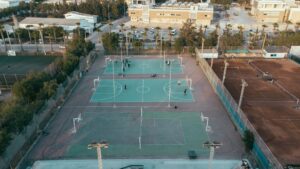
I recently had the opportunity to witness this burgeoning padel fervor firsthand at the Arena Padel Club in Tehran. The energy was electric. Four courts buzzed with activity, the rhythmic thwack of the ball against the glass walls echoing through the complex. From seasoned players executing intricate shots to novices tentatively finding their footing, everyone seemed captivated by the game. The air was thick with friendly competition, punctuated by laughter and encouragement. It was a microcosm of the larger padel phenomenon sweeping the nation.
One particular match caught my eye. Two young women, clad in vibrant athletic wear, were locked in an intense rally. Their movements were fluid and precise, their shots carrying a surprising amount of power. Between points, they strategized, whispering tactics and offering words of support. This wasn’t just a casual knockabout; this was serious business. Later, I learned that they were training for the upcoming Iran Padel Open, a testament to the growing competitive spirit within the sport.
The Arena Padel Club itself is a testament to the sport’s growing popularity. Equipped with state-of-the-art facilities, including floodlit courts and a pro shop stocked with the latest padel gear, it caters to players of all levels. The club also boasts a stylish lounge area where players can relax and socialize after a match, further reinforcing the social aspect of the sport. Similar clubs are springing up across the country, from the bustling metropolis of Tehran to the more tranquil settings of Isfahan and Shiraz.
The growth of padel in Iran is not just confined to urban centers. Even in smaller towns and villages, makeshift padel courts are appearing, often constructed using repurposed materials. This ingenuity speaks volumes about the sport’s accessibility and the desire of people to participate, regardless of their location or socioeconomic background. I spoke with a group of young men in a small village outside of Yazd who had built their own court using salvaged wood and metal sheeting. Their enthusiasm was infectious, their faces beaming with pride as they demonstrated their skills. “We may not have the fancy facilities of the city clubs,” one of them told me, “but we have the same passion for the game.”
The PFIRI is actively working to address the challenges facing the sport. They have launched several initiatives aimed at increasing access to padel, including providing funding for the construction of new courts in underserved areas and offering subsidized equipment to young players. They are also working to develop a comprehensive coaching certification program to ensure the quality of instruction across the country. These efforts are crucial for the long-term sustainability and growth of padel in Iran.
The economic impact of padel’s rise is also becoming evident. The demand for padel equipment, apparel, and court construction has created new business opportunities, stimulating growth in related industries. Local manufacturers are stepping up to produce padel rackets and balls, reducing reliance on imported goods. This not only supports the local economy but also makes the sport more affordable for Iranian players.
The media is also playing a significant role in promoting the sport. Dedicated padel magazines and online platforms are providing coverage of tournaments and showcasing the achievements of Iranian players. Television broadcasts of major padel events are attracting a growing audience, further raising the sport’s profile. This increased media attention is crucial for attracting sponsorships and investments, which are essential for the continued development of the sport.
Beyond the courts and the competition, padel is fostering a sense of unity and shared purpose. In a society sometimes marked by divisions, the sport provides a common ground where people from different backgrounds can come together and connect through a shared passion. This social cohesion is perhaps one of the most significant contributions of padel to Iranian society.
As I reflect on my journey through the Iranian padel landscape, I am struck by the genuine enthusiasm and dedication of everyone involved, from the players to the coaches to the administrators. Their passion is contagious, and their belief in the sport’s potential is unwavering. The padel phenomenon is not just a fleeting trend; it is a transformative force that is shaping the future of sports in Iran. And as someone who has witnessed this transformation firsthand, I can say with confidence that the best is yet to come.
By: Jasmine ‘Jaz’ Khan
Persian Sports Legacy
Iran boasts one of the richest sporting traditions in the world, with athletic culture dating back thousands of years. The ancient Persian empire valued physical fitness and martial prowess, creating structured training systems that influenced civilizations across Asia and Europe. This heritage continues to shape Iranian sports culture today, combining traditional values with modern athletic excellence.
Zurkhaneh, the traditional house of strength, represents the quintessential Iranian approach to athletics—combining physical training with spiritual development and cultural values. This ancient institution has produced generations of champions across various sports, particularly wrestling, where Iran consistently ranks among the worlds elite nations.
Iran’s Wrestling Dynasty
Wrestling holds a special place in Iranian culture, considered both a sport and a national treasure. Iranian wrestlers have dominated international competitions for decades, winning numerous Olympic and World Championship medals. The systematic development of wrestling talent, from grassroots programs to elite national teams, serves as a model for sports development globally.
The success of Iranian wrestling reflects the countrys deep investment in combat sports infrastructure. Training centers across the nation identify and develop promising athletes from a young age, providing world-class coaching and facilities. This pipeline of talent ensures Iran remains competitive at the highest levels of international wrestling.
Iran’s Football Journey
Football is the most popular sport in Iran, with millions of passionate fans following both domestic and international competitions. The Persian Gulf Pro League features historic clubs like Persepolis and Esteghlal, whose rivalry is one of the most intense in Asian football. These matches draw massive crowds and capture the nations attention.
Team Melli, the national team, represents Iranian football on the world stage. Multiple World Cup appearances have demonstrated Iran capabilities against global footballing powers. The development of Iranian talent for European leagues has increased international recognition of Iranian football, with players like Sardar Azmoun and Mehdi Taremi showcasing Iranian excellence abroad.
Future Athletic Developments
Beyond traditional strengths, Iran is developing programs in emerging sports to diversify its athletic portfolio. Volleyball has seen tremendous growth, with the national team achieving consistent success in Asian competitions and improving its global ranking. Other sports like basketball, taekwondo, and weightlifting also show promising development.
Investment in sports infrastructure continues to expand opportunities for Iranian athletes. New training facilities, coaching education programs, and athlete support systems are being developed across the country. These investments, combined with Iran rich sporting culture and passionate population, position the nation for continued athletic success in the coming decades.