
The metro carriage is already full an hour before kick-off, and it only gets fuller at the next two stations. Anyone who has tried to reach Azadi Stadium without a plan for exactly this moment knows the walk from the nearest usable exit can take longer than the journey that got them there in the first place.
The venue’s sheer scale is part of what makes casual, unplanned attendance riskier here than at a smaller ground. A miscalculation that costs a few minutes at a compact stadium can cost considerably longer at one built to hold this many people across this much physical space.
None of the logistics around a matchday at the national stadium are complicated once they are written down, but almost none of them are obvious to someone attending for the first time, and the stadium’s scale punishes a late or improvised plan far more than a smaller ground would.
Regular attendees absorb this knowledge gradually over several visits, through minor mistakes that cost them a few frustrating minutes each time, whereas a first-time visitor has no such accumulated experience to draw on and benefits far more from having the whole picture set out in advance.
This is a practical, stay-valid-across-seasons checklist for getting in, finding a seat, and getting home again, covering ticketing, transport, timing, permitted items and where to stand or sit depending on which section a ticket allocates.
- Ticketing: buy through official channels only, and confirm the specific gate printed on the ticket
- Transport: metro is the most reliable option; road access slows dramatically within two hours of kick-off
- Arrival timing: plan to be inside the perimeter at least ninety minutes before kick-off for a major fixture
- Prohibited items: check the current list before leaving home, since it changes by fixture category
Buying a ticket that actually gets you in
Tickets for fixtures at the stadium are sold through official club or federation channels, and buying outside those channels carries a real risk of a duplicated or invalid ticket that only becomes obvious at the turnstile, well after any chance to fix it. Confirm the specific gate and section printed on the ticket as soon as it is issued, since the stadium’s scale means arriving at the wrong gate can add a genuinely long walk around the perimeter to reach the correct one.
High-demand fixtures, particularly a derby or a national team qualifier, sell through official channels quickly, and a ticket bought at a markup from an unofficial reseller close to matchday should be treated as a real risk rather than a convenient shortcut.
Digital tickets, where available, still require the same care in confirming the specific gate and section before travelling, since a phone screen showing a valid-looking ticket at the wrong entrance still means the same long walk around the perimeter that a printed ticket in the wrong hand would cause.
The azadi stadium matchday guide starts before you leave home
Any azadi stadium matchday guide worth following starts with a check of the current prohibited items list and the confirmed kick-off time, both of which are published by the club or federation ahead of the fixture and both of which can change closer to the date for a high-profile match moved for broadcast reasons. Checking on the morning of the match rather than relying on a memory of a previous visit avoids the single most common cause of an avoidable delay at the gate.
It also means deciding transport mode before leaving rather than at the door, because the right choice depends heavily on which part of the city a supporter is travelling from and how large the expected crowd is for that particular fixture.
Weather is worth checking too, since heavy rain or extreme heat changes both the practical experience of queuing outside before the gates open and the amount of water or shelter worth carrying, and the stadium’s older sections offer limited cover from either compared with more recently built venues.
Getting there: metro versus road
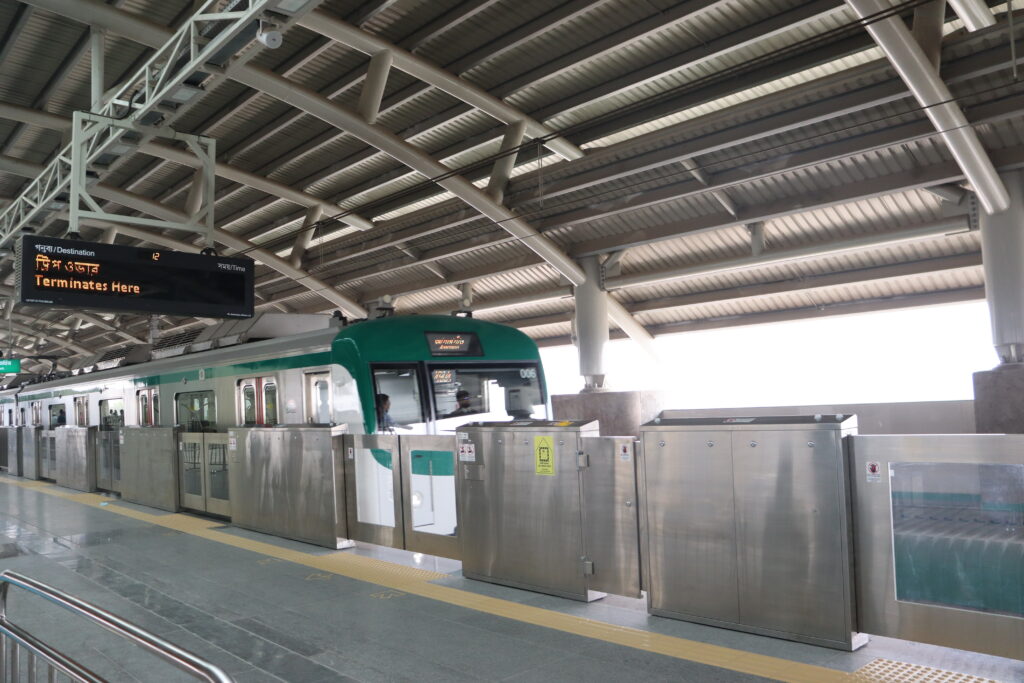
The metro is the single most reliable way to reach the stadium for a well-attended fixture, because it runs on a fixed schedule unaffected by the road congestion that builds heavily around the stadium in the hours before kick-off. The nearest stations fill quickly and trains run at reduced comfort but consistent frequency during the pre-match surge, which still beats the alternative of sitting in stationary traffic within sight of the stadium itself.
Road access, whether by private car, taxi or ride-hailing service, becomes significantly slower within roughly two hours of kick-off as surrounding roads fill and designated drop-off points move further from the stadium the closer that window gets. Anyone driving should plan for a walk of a kilometre or more from wherever a vehicle can realistically stop once the area is at capacity.
When to actually leave home
For a major fixture, being inside the stadium perimeter at least ninety minutes before kick-off is a realistic target once security screening, ticket checks and the walk to a specific section are all accounted for. For a routine domestic fixture with lower expected attendance, sixty minutes usually suffices, but building in the extra margin costs little against the risk of missing the opening minutes of a match that turned out busier than expected.
Arriving significantly earlier than this mainly means a longer wait inside a crowded concourse rather than any meaningful benefit, so the ninety-minute target is a genuine balance rather than an overly cautious buffer.
| Fixture type | Suggested arrival before kick-off |
|---|---|
| Derby or national team qualifier | 90 to 120 minutes |
| Routine domestic league fixture | 60 to 75 minutes |
| Lower-attendance midweek fixture | 45 minutes |
What you cannot carry in
Security screening at the stadium follows a standard prohibited-items list that covers the usual categories found at large venues: outside food and drink beyond a small allowance, professional cameras and recording equipment without prior accreditation, and any object that could reasonably be used as a projectile or weapon, poles, glass containers, and similar items. The exact list is published ahead of each fixture and can tighten further for a high-security match, so treating a previous visit’s experience as a guarantee for the next one is a common mistake.
Flags and banners are generally permitted for organised supporter sections but are typically checked and sometimes restricted in size or pole material for safety reasons, a detail worth confirming directly with a section’s organisers rather than assuming the same rules apply as at a smaller ground.
Bag policy tends to be stricter for a high-security fixture than for a routine one, sometimes limiting bags to a small maximum size or barring them entirely beyond a small clutch or clear bag, which is worth checking specifically if travelling with any equipment beyond the essentials most supporters carry.
Finding your section once inside
The stadium’s stands are divided into numbered sections that correspond to the gate and entrance printed on a ticket, and the walking distance between the wrong entrance and the correct section can be substantial given the venue’s overall size. Stewards positioned throughout the concourse can redirect a lost ticket-holder, but relying on that redirection costs time that a quick check of the ticket’s printed section beforehand would have saved entirely.
Organised supporter sections occupy specific, consistent blocks match after match, and a first-time visitor hoping to sit among a particular section’s atmosphere should confirm that block’s exact location in advance rather than assuming any general seating area will place them near it.
Facilities and what to expect once seated
Food and drink options inside the stadium are more limited than at many modern venues, and queues at half-time concourse stalls can be long enough that supporters wanting refreshments sometimes go before kick-off rather than during the break itself. Bringing a small amount of water, within the permitted allowance, is a reasonable precaution for a hot-weather fixture given the venue’s exposed upper tiers.
Seating in the older sections of the stadium is bench-style rather than individual seating in some areas, a detail worth knowing in advance for anyone planning to attend with limited mobility or simply wanting to plan for comfort across a full ninety minutes plus stoppage time.
Mobile network coverage inside the bowl itself is often degraded during a full house simply from the sheer density of devices competing for the same local cell towers, so anyone planning to rely on a phone for tickets, payments or navigation once inside should have any necessary information saved locally rather than assuming a live connection will be available exactly when needed.
Getting home without the crowd crush
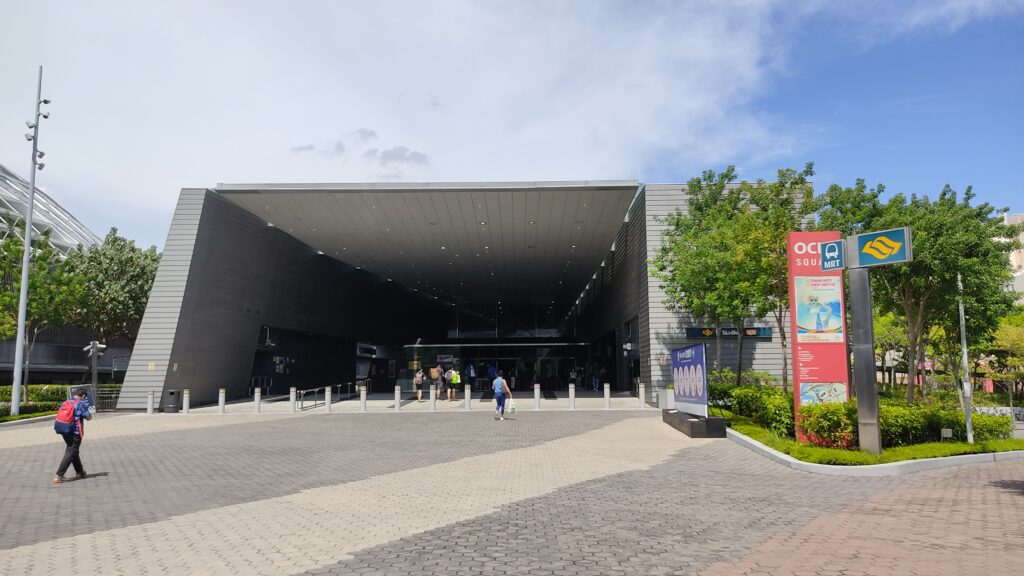
The exit surge after a final whistle concentrates almost the entire attendance onto the same limited set of pathways within a short window, and the metro stations nearest the stadium see their heaviest crowding of the entire day in the twenty minutes immediately after a match ends. Waiting inside the stadium perimeter for ten to fifteen minutes after the final whistle, rather than joining the immediate rush, often produces a genuinely faster overall journey home despite the later start.
Supporters travelling in a group should agree on a specific, easily identifiable meeting point before the match rather than trying to coordinate by phone once separated in a departing crowd, since network congestion in the immediate post-match period can make calls and messages unreliable exactly when they are needed most.
Attending with children or first-time visitors
Families attending with young children benefit from choosing a section known for a calmer atmosphere rather than the most vocal organised supporter blocks, since the noise level and standing behaviour common to those sections can overwhelm a first-time young attendee. Club ticket offices can usually advise on which sections tend to suit family attendance, and booking together as a group secures adjacent seating that avoids a child being separated from an adult in a packed stand.
First-time adult visitors unfamiliar with the venue’s scale are well served by arriving with a companion who has attended before, purely for the practical benefit of knowing the specific walking route from a given metro exit to a given gate, a piece of local knowledge that saves real time over relying on signage alone.
What changes for an international fixture
A fixture involving the national team typically draws a larger, more diverse crowd than a routine domestic league match, with correspondingly tighter security screening and earlier road closures around the stadium perimeter. Public transport authorities often add extra services on these dates specifically to handle the larger volume, information usually published a few days ahead through official transport channels rather than assumed from a routine matchday schedule.
Ticket demand for these fixtures is also considerably higher, which increases the risk of encountering counterfeit tickets through unofficial resale channels in the days immediately before kick-off, making the earlier advice about buying only through official channels even more important for this category of fixture.
Frequently Asked Questions
What is the safest way to buy a ticket according to this azadi stadium matchday guide?
Through official club or federation channels only, confirming the specific gate and section printed on the ticket as soon as it is issued.
Is the metro really faster than driving to the stadium?
For any well-attended fixture, yes. Road access slows dramatically within about two hours of kick-off, while the metro keeps running on a fixed schedule.
How early should I arrive for a major fixture?
At least ninety minutes before kick-off for a derby or qualifier, accounting for security screening, ticket checks and the walk to your section.
What items are typically not allowed inside?
Outside food and drink beyond a small allowance, unaccredited professional cameras, and anything that could be used as a projectile, though the exact list is published per fixture.
What is the best way to avoid the post-match crowd crush?
Waiting ten to fifteen minutes inside the stadium perimeter after the final whistle before heading for the exits and the metro.
None of this guarantees a smooth trip on its own. It just moves the uncertainty away from the ninety minutes that are actually worth showing up for.