


FIFA Reveals World Cup Ticket Prices Iran Fans Face in 6: New Tiers, Surging Demand and the Reality for Supporters
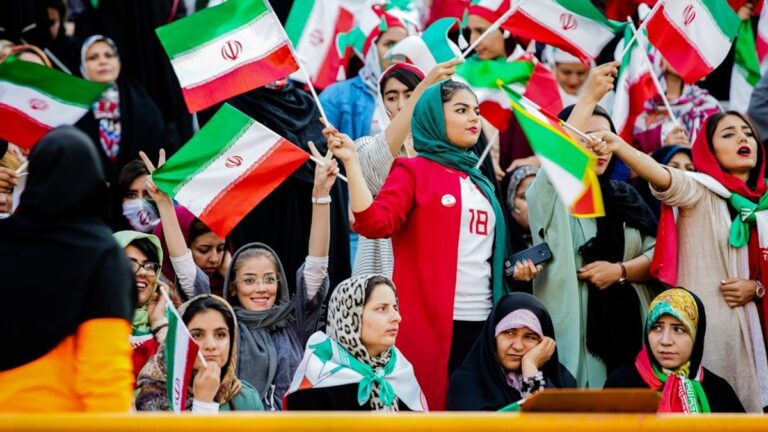
The latest announcement on World Cup ticket prices Iran fans will face in 2026 has set off a wave of excitement and concern across the country. With the FIFA World Cup returning to North America, supporters in Iran are eager to witness their national team compete on the global stage. However, the reality of securing a seat is more complex than ever before. World Cup ticket prices Iran supporters must pay have become a hot topic, as they grapple with fluctuating rates, new low-cost tiers, and the ever-increasing demand that shapes the global football economy. In this comprehensive report, we examine what Iranian fans can expect, how the pricing compares to past tournaments, and what strategies are emerging for those determined to attend. Drawing on official sources such as FIFA’s 2026 ticketing releases, analysis from The Guardian, and industry trackers, we cut through the noise to present a clear, authoritative picture. What does the introduction of the $60 “supporter tier” really mean? Will the cost of attending a match be within reach for the average Iranian football devotee? And how do these prices stack up against those from the 2022 World Cup and earlier? As the countdown to 2026 accelerates, these questions are more urgent—and contentious—than ever. Join us as we untangle the numbers, the process, and the wider implications for football fans in Iran and beyond. Iman Mohammadi Doping Case Shakes Iranian Sports Integrity
2026 World Cup Ticket Prices: Iran’s Place in the Global Marketplace – World Cup ticket prices Iran
When FIFA unveiled its ticket pricing for the 2026 World Cup, supporters worldwide paid close attention, but few watched as closely as those in Iran. World Cup ticket prices Iran fans are now expected to pay vary significantly by category, phase, and seating location, reflecting both the prestige of the event and the unique challenges facing international supporters. According to AP News and First Alert 4, the opening match for Iran, scheduled in Inglewood, Los Angeles, against New Zealand, comes with a tiered ticket structure. Prices begin at $140 for the most affordable “Category 3” seats, rise to $380 for mid-tier “Category 2” sections, and peak at $450 for premium “Category 1” spots. For those seeking the best possible view, resale markets and hospitality packages can push prices even higher, sometimes exceeding $600 per ticket.
Official Ticket Categories and Dollar Values
FIFA’s ticketing system for the 2026 tournament is divided into multiple categories, each corresponding to seat location and amenities. For matches featuring the Iranian national team, the range is broad: “Category 3” typically offers seats behind the goals or in upper tiers, while “Category 1” places fans at midfield or in prime lower-deck positions. The $140 entry price is considered a modest increase from 2022, but the mid-tier and premium rates are fueling debate among supporters. The World Cup ticket prices Iran fans face reflect these new realities.
Comparison to Other Nations
Iran’s ticket prices are relatively competitive compared to marquee matchups. For instance, according to The New York Times, tickets for France vs. Senegal or Belgium vs. Egypt can reach up to $620 for the same seating categories. This suggests that, while still significant, the cost for Iranian games is not the highest in the tournament—but it remains a substantial outlay for most Iranian citizens, especially when factoring in travel and accommodation. The World Cup ticket prices Iran fans encounter are therefore a major consideration for supporters planning their journey.
New $60 Supporter Tier: A Real Solution?
One headline-grabbing development is FIFA’s introduction of a $60 “supporter entry tier” for each match, including those involving Iran. As reported by The Los Angeles Times, this initiative is designed to address criticism over sky-high ticket costs and make the World Cup more accessible. However, these tickets are distributed through national supporter associations, with extremely limited availability and eligibility restrictions. For many Iranian fans, gaining access to these tickets may prove more challenging than anticipated, raising questions about whether this measure will have a meaningful impact on affordability. The World Cup ticket prices Iran fans ultimately pay may not be significantly reduced by this new tier.
| Ticket Category | 2022 Qatar Prices (USD) | 2026 North America Prices (USD) | Price Change (%) |
|---|---|---|---|
| Supporter Tier (Limited) | Not Available | $60 | New Tier Introduced |
| Category 3 (Entry Level) | $105 – $130 | $140 | ~7% – 33% Increase |
| Category 2 (Mid Tier) | $250 – $300 | $380 | ~27% – 52% Increase |
| Category 1 (Premium) | $300 – $350 | $450 | ~29% – 50% Increase |
| Secondary Market Peak | Up to $500 | Up to $700 | 40% Increase |
How Do 2026 Prices Compare to World Cup Ticket Prices Iran Faced in 2022?
The evolution of World Cup ticket prices Iran supporters encounter is best understood through a historical lens. The 2022 tournament in Qatar, held much closer to Iran’s borders, saw a different pricing model and logistical landscape. According to analysis published by The Guardian, entry-level ticket prices for Iran’s group matches hovered around $105 to $130, with more premium seats reaching approximately $250 to $350. While the base rates have not increased dramatically, the overall cost burden in 2026 is higher due to travel, accommodation, and currency fluctuations.
Currency Pressures and Economic Factors
For Iranian fans, the weakening of the rial against major currencies has exacerbated the affordability crisis. Even minor increases in dollar-denominated ticket prices translate into substantial local currency jumps, making attendance a more exclusive prospect. This has led to calls for FIFA to consider regional economic disparities when setting its pricing frameworks. Related: Afc Ban Mohun Bagan Iran Clash Ignites Fierce Football Rivalry
Comparing Tournament Locations: Impact on Iranian Fans
Qatar’s proximity allowed many Iranians to travel by land or via short flights, significantly reducing overall trip costs. The move to North America for 2026 introduces far higher travel expenses, visa hurdles, and logistical complications. This means that even if ticket prices themselves remain relatively stable, the total cost of experiencing a World Cup match in person is far steeper for Iranian fans this time around.
Ticket Allocation and Fan Access
Another shift is in the allocation process. In 2022, many tickets were reserved for regional supporters, making it easier for Iranians to purchase through official channels. In 2026, with a global ballot and supporter tiers, the competition for affordable tickets is fiercer, and the likelihood of securing a seat through the “supporter entry” program has decreased.
Ticket Ballots, Lotteries, and the Reality for Iranian Supporters
The World Cup ticket prices Iran fans see advertised often differ from what is actually available. Much of the ticketing for 2026 is being distributed via a global ballot system. As outlined by BBC Sport, this process involves registering interest, entering a lottery, and waiting for results. Only a fraction of applicants will receive offers, and the most affordable seats are typically the first to sell out.
The Ballot System Explained
To participate, Iranian fans must first register on FIFA’s official ticketing portal, provide identification, and indicate their preferred matches. The system then randomly allocates tickets, with priority often given to fans affiliated with recognized supporter groups. This approach is designed to ensure fairness but has been criticized for its unpredictability and lack of transparency.
Chances of Securing the $60 Supporter Tickets
The $60 supporter tickets, discussed widely in Iranian sports forums, are in exceptionally high demand. Each association receives a limited allotment, and only registered group members can apply. As a result, the vast majority of Iranian fans will likely face the standard ticket tiers of $140, $380, and $450, unless they are exceptionally lucky in lottery.
Secondary Markets and the Risk of Price Inflation
Unsuccessful applicants often turn to secondary ticketing platforms, where prices can soar far above face value. According to tracking by FIFA Collect, resale rates for Iran’s opening match have already reached as high as $700 for premium seats. This creates a two-tiered system: those who navigate the official process successfully, and those forced to pay a steep markup on the open market. Related: Iran Egypt Fifa Pride Match Sparks New Era Of Sports Unity
Analysis: Why Have World Cup Ticket Prices for Iran Changed?
The fluctuation in World Cup ticket prices Iran faces is the result of several interlocking factors. Global inflation, tournament expansion, and shifting FIFA policies have all played a role. The Guardian’s review of ticket trends notes that while some nations have seen consistent increases, others, like Iran, have experienced occasional dips amid broader upward pressure. The reasons for this are complex and reveal much about the economics of modern football.
Global Inflation and Cost of Event Hosting
Staging the World Cup in the United States, Canada, and Mexico has introduced new operational costs. Stadium leases, security, and staffing are significantly more expensive than in previous host countries. FIFA has passed much of this cost on to fans, resulting in higher ticket prices across the board, including for Iranian supporters.
Demand, Prestige, and the Iranian Diaspora
Another driver is the strength of the Iranian diaspora in North America. Large Iranian communities in cities such as Los Angeles and Toronto have increased demand for tickets to Iran’s matches, which in turn pushes prices higher. This contrasts with 2022, when the event’s proximity to Iran allowed more locals to attend at lower cost.
Policy Changes and Supporter Advocacy
Activists and fan associations have lobbied FIFA for more equitable pricing. The introduction of the $60 supporter tier is a response to these pressures but remains controversial due to its limited scope. Some advocates argue for greater transparency in ticket allocation and more substantial discounts for fans from developing economies, including Iran. So far, FIFA’s response has been incremental rather than transformative.
Tracking Cheaper Tickets: Strategies and Pitfalls for Iranian Fans
As World Cup ticket prices Iran fans must pay continue to fluctuate, savvy supporters are turning to a variety of tracking tools and strategies to find more affordable options. Websites such as FIFA Collect offer real-time price monitoring, while fan forums and Telegram groups share tips and alerts about new ticket releases. However, these methods come with both promise and risk.
Official Trackers and Price Alerts
Platforms like FIFA Collect and FIFA’s own ticketing portal provide updates on price drops, new availability, and resale listings. Iranian fans are encouraged to monitor these resources closely, especially during the weeks leading up to the tournament when last-minute releases are common. These trackers can help avoid overpaying, but competition remains fierce. Related: Iranian Sports Tech Innovations 2025
The Role of Supporter Associations
Membership in official Iranian supporter groups is now more valuable than ever. These associations are often the first to receive notifications about discounted tickets or special allocations, including the $60 supporter tier. Many Iranian fans are joining multiple groups and leveraging their networks to increase their odds of success in the ballot system.
Risks in the Secondary Market
While secondary markets offer an alternative for those shut out of the official process, they are fraught with pitfalls. Prices can be inflated, and there is a risk of scams or invalid tickets. FIFA warns all fans, including those from Iran, to purchase only from authorized sellers to avoid disappointment and financial loss.
The Broader Impact: Accessibility, Equity, and the Future of World Cup Ticketing
The question of World Cup ticket prices Iran fans pay is not merely a matter of economics—it is a test of the sport’s inclusivity and global reach. As costs rise and competition intensifies, concerns are mounting about whether the World Cup is drifting out of reach for ordinary supporters, especially those from countries with weaker currencies or limited travel infrastructure.
Accessibility for Iranian Fans
For many Iranians, attending the World Cup remains a lifelong dream, one now threatened by financial and logistical barriers. The introduction of affordable tiers is a step forward, but implementation has lagged behind rhetoric. Without broader reforms, the World Cup risks becoming an event for the privileged few rather than the masses it purports to unite.
Equity Across Nations
Advocates continue to call for a ticketing system that accounts for economic disparities among fans. They argue that true football solidarity means ensuring that passionate supporters from all backgrounds, including Iran, can experience the world’s greatest sporting spectacle. Whether FIFA will heed these calls remains an open—and contentious—question.
What Lies Ahead for 2030 and Beyond?
Looking to the future, the debate around World Cup ticket prices will only intensify. As new technologies and changing fan demographics reshape the sport, FIFA and its partners must balance revenue needs with their stated commitment to global inclusion. Iranian fans, and those in similar circumstances, will be watching closely to see if real change is on the horizon.
Frequently Asked Questions
How much will tickets for Iran’s matches at the 2026 World Cup cost?
According to FIFA’s official release, World Cup ticket prices Iran fans face for the 2026 tournament start at $140 for Category 3 seats, rise to $380 for Category 2, and reach $450 for Category 1 during the group stage. A special $60 “supporter entry tier” is also available for a limited number of fans through official associations. However, most tickets will be sold at the standard rates, with premium matches or resale tickets potentially costing even more. Prices do not include travel or accommodation costs.
Are there affordable ticket options for Iranian fans?
FIFA has introduced a $60 supporter ticket tier aiming to increase affordability for all nations, including Iran. These tickets are distributed through national supporter associations and are limited in number. While theoretically more accessible, the demand far exceeds supply, and most fans will encounter prices starting at $140 and above. Joining an official supporter group and participating in the ticket ballot increases the chances of securing these lower-priced tickets.
How do 2026 ticket prices compare to World Cup ticket prices Iran fans paid in 2022?
Ticket prices for Iran’s matches in 2026 are generally higher than those in 2022, when entry-level tickets ranged from $105 to $130. The lowest standard tier for 2026 is $140, with mid-tier and premium rates also rising. Additional expenses, such as travel to North America and accommodation, further increase the total cost for Iranian fans compared to when the tournament was hosted in closer proximity, like Qatar in 2022.
What is the process for Iranian fans to purchase World Cup tickets?
Iranian fans must register on FIFA’s official ticketing portal, select preferred matches, and enter a global ballot or lottery. Some tickets, such as the $60 supporter tier, are allocated through national supporter groups. Successful applicants are notified and given a window to purchase tickets. Due to high demand and limited supply, the process can be competitive and unpredictable, with many fans relying on luck or group affiliations to secure seats.
Conclusion: Navigating the New World of World Cup Ticket Prices Iran Fans Face
The unveiling of World Cup ticket prices Iran supporters must pay for the 2026 tournament has ignited intense debate and anticipation among fans. With the lowest standard tickets set at $140, and limited $60 supporter options available, the financial reality is stark for many. When combined with the added burdens of international travel, accommodation, and currency fluctuations, the dream of watching Team Melli on the world’s biggest stage is more challenging than ever. The introduction of new tiers and ticket allocation systems provides hope, but also raises questions about fairness and accessibility. Official sources such as AP News, First Alert 4, and The Guardian confirm that, despite efforts to broaden access, the path to the stands remains steep for most Iranians. For those determined to attend, joining official supporter groups, entering the ticket ballot early, and monitoring price trackers are essential strategies. Yet, the broader question remains: will the World Cup evolve to truly include fans from all walks of life, or will financial barriers continue to rise? As the countdown to 2026 continues, the answer will matter not just for Iranian supporters, but for the very spirit of football itself. For now, the best advice is to stay informed, act quickly, and never lose hope—because for millions, the chance to cheer for Iran at the World Cup is worth every challenge along the way.