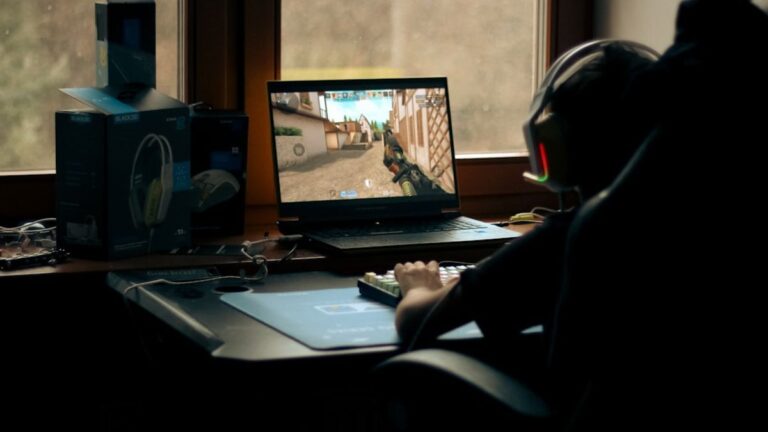



Esports, or competitive video gaming, has grown into a global phenomenon, and Iran is part of this worldwide trend. As video games have become increasingly popular, organised competitive gaming has developed a following among young people in Iran, reflecting a broader global shift in how sport and competition are understood in the digital age. This article offers a general, evergreen introduction to esports and competitive gaming in Iran, exploring what esports is, its growth, and its place among young people and in the wider world of gaming, without cataloguing specific games, teams, tournaments or results, which change rapidly and are best followed through up-to-date sources. The aim is to give a general understanding of the phenomenon.
Because the world of esports and gaming changes exceptionally quickly, this article focuses on the general phenomenon rather than on specific games, players, teams or tournament results, which should always be checked against current sources. The popular games, competitive scenes and the wider landscape evolve continually and faster than in most traditional sports. What tends to remain more stable is the broad picture of esports as a growing global phenomenon, its appeal to young people, and the general questions it raises about the nature of competitive gaming. Readers looking for current information on specific games, teams or competitions are encouraged to consult reliable, up-to-date sources, as this overview does not attempt to provide that kind of fast-changing detail.
What is esports?
Esports, short for electronic sports, refers to organised competitive video gaming, in which players or teams compete against one another in video games, often in structured tournaments and leagues. Esports encompasses a variety of game genres, from strategy games to fighting games to team-based competitive titles, each with its own competitive scene. What distinguishes esports from casual gaming is its organised, competitive nature: players train, teams form, and competitions are held, sometimes with significant audiences following the action. Esports has grown into a major global phenomenon, with large followings for popular games and competitions. Understanding what esports is helps make sense of its rise as a form of competition that has emerged from the world of video gaming.
Understanding what esports is helps make sense of its rise, because it represents organised, competitive video gaming that has grown from casual play into a structured phenomenon with tournaments, teams and audiences. Its organised, competitive nature distinguishes it from casual gaming. It is worth noting that the specific games, formats and competitive structures of esports change very rapidly. What remains general is the character of esports as organised competitive video gaming, encompassing a variety of game genres and structured competitions, which has grown into a major global phenomenon with significant followings, emerging as a new form of competition from the world of video games.
The global growth of esports
Esports has experienced remarkable global growth in recent years, becoming a significant phenomenon worldwide. As video games have grown ever more popular and as technology has advanced, competitive gaming has developed large followings, with popular games attracting substantial audiences for their competitions. This global growth reflects broader shifts in entertainment and technology, as digital forms of competition and spectatorship have become increasingly prominent, particularly among younger generations. Esports has developed its own ecosystem of players, teams, competitions and audiences, mirroring in some ways the structures of traditional sport while remaining distinct. Understanding this global context helps place the development of esports in Iran within a worldwide trend that has reshaped ideas about competition and spectatorship.
Understanding the global growth of esports helps place developments in Iran within a worldwide trend, because competitive gaming has grown into a significant global phenomenon driven by the popularity of video games and advances in technology. This growth reflects broader shifts in entertainment. It is worth acknowledging that the specifics of the esports landscape change very rapidly and vary by region. What remains general is the point that esports has experienced remarkable global growth, developing its own ecosystem of players, teams and audiences, particularly among younger generations, and that developments in Iran are part of this broader worldwide trend reshaping ideas about competition.
Esports and gaming in Iran
In Iran, as in many countries, video games are popular, particularly among young people, and organised competitive gaming has developed a following as part of this broader gaming culture. The appeal of esports in Iran reflects the same factors driving its growth worldwide: the popularity of video games, the appeal of competition, and the engagement of a young, digitally connected generation. Competitive gaming communities, online play and interest in the wider world of esports form part of the gaming landscape in Iran. Understanding esports and gaming in Iran helps show how a global digital phenomenon has found a place among young people in the country, as part of a worldwide shift in the forms that gaming and competition take.
Understanding esports and gaming in Iran helps show how a global phenomenon has found a local following, because the popularity of video games and the appeal of competition have drawn a young, digitally connected generation to competitive gaming, as in many countries. This reflects worldwide trends. It is worth acknowledging that the specifics of the gaming and esports scene change rapidly and are best followed through current sources. What remains general is the point that video games are popular in Iran, particularly among young people, and that competitive gaming has developed a following as part of this broader gaming culture, mirroring the global growth of esports.
It is also worth reflecting on how esports fits into wider debates about what counts as sport in the digital age. Around the world, the rise of competitive gaming has prompted discussion about whether esports should be considered a sport, given that it lacks the physical exertion of traditional athletics but shares features such as competition, skill, training, teamwork and organised structure. There is no single settled answer, and views differ. What is clear is that esports has developed many of the trappings of organised sport, with professional players, teams, coaching and dedicated audiences. In Iran, as elsewhere, the growth of competitive gaming among young people is part of this broader evolution in how competition and spectatorship are understood. Recognising this helps place esports in context: whether or not one considers it a sport, it represents a significant and growing form of organised competition that reflects the changing culture of the digital age.
| Aspect | Common belief | Reality |
|---|---|---|
| Nature | Esports is just casual gaming | It is organised, competitive video gaming with structures |
| Scale | Esports is a niche activity | It has grown into a major global phenomenon |
| Sport status | It is definitely a sport / definitely not | There is no settled answer; views differ, it shares many features |
| Appeal | It appeals to everyone equally | It appeals especially to digitally connected young people |
| Basis | It is separate from technology | It is fundamentally tied to technology and evolves rapidly |
The appeal to young people
A large part of esports’ growth, in Iran and worldwide, lies in its appeal to young people. As a generation that has grown up with video games and digital technology, young people are naturally drawn to competitive gaming, both as players and as spectators. Esports combines the appeal of video games, which are widely enjoyed, with the excitement of competition, creating an activity that resonates strongly with digitally connected young people. This generational appeal is one of the driving forces behind the growth of esports, and it helps explain why competitive gaming has developed such a following among young people in Iran, as part of a broader shift in the forms of entertainment and competition that appeal to younger generations.
Understanding the appeal to young people helps explain the growth of esports, because a generation raised with video games and digital technology is naturally drawn to competitive gaming, combining the appeal of games with the excitement of competition. This generational appeal drives much of the growth. It is worth acknowledging that the interests of young people vary and evolve over time. What remains general is the point that esports appeals strongly to digitally connected young people, in Iran and worldwide, combining the popularity of video games with the excitement of competition, and that this generational appeal is a driving force behind the growth of competitive gaming.
The competitive ecosystem
Esports has developed a competitive ecosystem that, in some respects, mirrors the structures of traditional sport. Players and teams compete in organised tournaments and leagues, some players pursue competitive gaming seriously and dedicate significant time to practice and improvement, and audiences follow the competitions. This ecosystem includes elements familiar from traditional sport, such as teams, competitions, coaching and dedicated followings, while remaining distinct in its digital nature. The development of such an ecosystem is part of what has made esports a significant phenomenon rather than merely casual gaming. Understanding the competitive ecosystem helps show how esports has become an organised form of competition with its own structures, distinct from but in some ways paralleling traditional sport.
Understanding the competitive ecosystem helps show how esports has become organised competition, because it has developed structures, teams, tournaments and dedicated audiences that in some ways mirror traditional sport while remaining distinct. This ecosystem is part of what makes esports significant. It is worth acknowledging that the specifics of the competitive ecosystem change very rapidly. What remains general is the point that esports has developed a competitive ecosystem of players, teams, competitions and audiences, with elements familiar from traditional sport, and that this organised structure is part of what has made competitive gaming a significant phenomenon rather than merely casual play.
Esports and technology
Esports is fundamentally tied to technology, both in the games themselves and in the ways competitions are played and followed. Advances in gaming technology, internet connectivity and streaming have all contributed to the growth of esports, enabling competitive gaming to develop and audiences to follow it. This close connection to technology is part of what makes esports a distinctive phenomenon of the digital age, and it means the world of esports evolves rapidly as technology advances. The dependence on technology also shapes access to and participation in esports. Understanding the role of technology helps explain both the growth and the fast-changing nature of esports, as a phenomenon deeply rooted in the digital and technological developments of recent times.
Understanding esports’ connection to technology helps explain its growth and its fast-changing nature, because advances in gaming technology, connectivity and streaming have enabled competitive gaming to develop and audiences to follow it. This technological foundation shapes the phenomenon. It is worth acknowledging that technology evolves continually, driving rapid change in the esports landscape. What remains general is the point that esports is fundamentally tied to technology, both in the games and in how competitions are played and followed, and that this close connection to technology is part of what makes esports a distinctive and rapidly evolving phenomenon of the digital age.
Following esports responsibly
For those interested in esports and gaming, whether in Iran or elsewhere, it is worth approaching the activity thoughtfully and responsibly. As with any engaging pastime, a balanced approach that leaves room for other activities, relationships and responsibilities is healthy, and this is a general consideration for anyone spending significant time gaming. For those following competitive esports, seeking out reliable sources of information about the fast-changing world of games, teams and competitions is advisable, since the landscape evolves so quickly. Approaching gaming and esports with a sense of balance and with reliable sources of information helps ensure a positive experience of a phenomenon that has become a significant part of the digital and entertainment landscape.
Understanding how to follow esports responsibly helps ensure a positive experience, because approaching gaming thoughtfully, with balance and reliable sources of information, is sound practice for an engaging pastime. A balanced approach that leaves room for other activities is healthy. It is worth acknowledging that the specifics of games, teams and competitions change very rapidly and are best followed through current, reliable sources. What remains general is the advice to approach gaming and esports with a sense of balance and to seek reliable information about the fast-changing landscape, which helps ensure a positive engagement with a significant phenomenon of the digital age.
A phenomenon of the digital age
Taken together, esports and competitive gaming in Iran are part of a global phenomenon of the digital age, reflecting the popularity of video games, the appeal of competition, the engagement of a young digital generation, and the fast-changing world of technology. Understanding this general picture provides context for appreciating esports as a significant and growing form of competition, in Iran as worldwide. The specifics of games, teams and competitions change exceptionally rapidly and are best followed through current sources, but the broader understanding of esports as a phenomenon of the digital age offers a durable sense of what competitive gaming is and why it has grown so significantly among young people.
Understanding esports as a phenomenon of the digital age helps bring together its different aspects, because its growth rests on the popularity of games, the appeal of competition, generational engagement and technological development all at once. This general overview is a starting point rather than a complete or current account. For up-to-date information on specific games, teams and competitions, readers should always turn to reliable, current sources, since these change exceptionally rapidly. What this article offers is a durable understanding of esports and competitive gaming as a significant phenomenon of the digital age, part of a global trend that has found a following among young people in Iran.
Frequently asked questions
What is esports?
Esports, short for electronic sports, is organised competitive video gaming, in which players or teams compete in video games, often in structured tournaments and leagues. It encompasses various game genres and is distinguished from casual gaming by its organised, competitive nature, with players training, teams forming and competitions held before audiences.
Is esports popular in Iran?
In Iran, as in many countries, video games are popular, particularly among young people, and organised competitive gaming has developed a following as part of this broader gaming culture. This reflects the same factors driving esports’ growth worldwide. The specifics of the scene change rapidly and are best followed through current sources.
Is esports a real sport?
There is no single settled answer, and views differ. Esports lacks the physical exertion of traditional athletics but shares features such as competition, skill, training, teamwork and organised structure, and it has developed many trappings of organised sport. Whether or not one considers it a sport, it is a significant and growing form of organised competition.
Why does esports appeal to young people?
A generation that has grown up with video games and digital technology is naturally drawn to competitive gaming, both as players and spectators. Esports combines the appeal of widely enjoyed video games with the excitement of competition, creating an activity that resonates strongly with digitally connected young people, in Iran and worldwide.
How is esports connected to technology?
Esports is fundamentally tied to technology, both in the games themselves and in how competitions are played and followed. Advances in gaming technology, internet connectivity and streaming have driven its growth. This close connection means the world of esports evolves rapidly as technology advances, making it a distinctive phenomenon of the digital age.
Where can I find current information on esports?
Because the world of esports changes exceptionally quickly, current information on specific games, teams and competitions is best followed through reliable, up-to-date sources rather than a general overview like this one. This article focuses on the general phenomenon of esports, which is more stable than the fast-changing specifics of games and competitions.
Conclusion
Esports and competitive gaming in Iran are part of a global phenomenon of the digital age, reflecting the popularity of video games, the appeal of competition, the engagement of a young digital generation, and the fast-changing world of technology. Whether or not one considers it a sport, esports has become a significant and growing form of organised competition. This overview focuses on the general phenomenon rather than fast-changing specifics: for up-to-date information on games, teams and competitions, readers should always consult reliable, current sources, while approaching gaming with a sense of balance and appreciating esports as a notable phenomenon of the digital age.