

Taekwondo, the Korean martial art and Olympic combat sport, has become one of the most popular and successful disciplines in Iran. Combining dynamic kicking techniques with discipline and sportsmanship, taekwondo has attracted a large following in the country and has become an arena in which Iranian athletes have competed strongly at the international level. This article offers a general, evergreen introduction to taekwondo in Iran, exploring what the sport is, its popularity, and its place in the country’s combat sports culture, without cataloguing specific medals, records or results, which change over time and are best followed through up-to-date sources.
Because competitive results change continually, this article focuses on the general picture of taekwondo in Iran rather than on specific figures, which should always be checked against current sources. Athletes’ careers and the competitive landscape evolve, and any attempt to fix specific achievements would soon become outdated. What tends to remain more stable is the sport’s popularity in Iran, its place within the country’s strong combat sports culture, and its appeal as an Olympic discipline. Readers looking for current results, rankings or athlete achievements are encouraged to consult reliable, up-to-date sources, as this overview does not attempt to provide that kind of live detail.
What is taekwondo?
Taekwondo is a martial art that originated in Korea and has become a global sport, practised in many countries and included in the Olympic programme. The name is often translated as relating to the way of the foot and the fist, reflecting the sport’s emphasis on kicking and striking techniques. Taekwondo is known especially for its dynamic, fast and high kicks, which distinguish it from many other combat sports. Beyond the physical techniques, taekwondo traditionally emphasises values such as discipline, respect, perseverance and self-control. Understanding what taekwondo is helps make sense of its appeal, both as a competitive Olympic sport and as a practice valued for its physical and character-building dimensions.
Understanding what taekwondo is helps explain its broad appeal, because the sport combines dynamic athletic techniques with an emphasis on discipline and values. Its distinctive kicking techniques set it apart from many other combat sports. It is worth noting that taekwondo exists in different forms and organisations, and the specific rules of competitive Olympic taekwondo are governed by international bodies and can be revised over time. What remains general is the sport’s character as a Korean martial art centred on kicking and striking, valued both as an Olympic discipline and as a practice that emphasises discipline and respect.
Taekwondo’s popularity in Iran
Taekwondo has become genuinely popular in Iran, attracting large numbers of practitioners and a significant following. The sport is widely practised in clubs across the country, appealing to people of many ages who take it up for fitness, self-defence, competition or the discipline it teaches. Iran’s success in international taekwondo has further boosted its popularity, as achievements on the world stage have generated interest and pride at home. This combination of grassroots participation and international success has helped establish taekwondo as one of Iran’s most popular combat sports, with a strong base of practitioners and enthusiastic support for its leading athletes.
Understanding taekwondo’s popularity in Iran helps explain its prominence among the country’s combat sports, because the sport enjoys both broad grassroots participation and enthusiastic support for its international athletes. The interplay between participation and success has fuelled its growth. It is worth remembering that the specifics of participation numbers and competitive results change over time and are best confirmed through current sources. What remains general is the point that taekwondo has become one of Iran’s most popular combat sports, sustained by a strong base of practitioners and by pride in the achievements of its leading athletes on the international stage.
Taekwondo as an Olympic sport
One of the factors that has raised taekwondo’s profile in Iran and worldwide is its status as an Olympic sport. Inclusion in the Olympic Games gives taekwondo a global platform and a prestige that draws attention and ambition. For Iranian athletes, the Olympics represent the pinnacle of competition, and Iran has taken part in Olympic taekwondo, contributing to the sport’s high profile at home. The Olympic dimension connects taekwondo to the broader world of elite international sport and gives Iranian practitioners a global stage on which to aspire to compete. This status is a large part of what has made taekwondo such a significant and aspirational sport in the country.
Understanding taekwondo as an Olympic sport helps explain much of its prestige and appeal, because Olympic inclusion gives the sport a global platform and connects Iranian athletes to elite international competition. The Olympics represent the pinnacle of the sport. It is worth noting that specific Olympic results and the details of qualification change with every cycle and are best followed through current sources. What remains general is the point that taekwondo’s status as an Olympic sport has raised its profile in Iran and given the country’s athletes a global stage, contributing significantly to the sport’s importance and appeal within Iranian combat sports culture.
| Aspect | Common belief | Reality |
|---|---|---|
| Origin | Taekwondo is a traditional Iranian sport | It is a Korean martial art, now popular worldwide and in Iran |
| Focus | It is mainly about hand strikes | It is known especially for dynamic kicking techniques |
| Value | It is only a competitive sport | It also emphasises discipline, respect and self-control |
| Status | It is a minor martial art | It is an Olympic sport with global prestige |
| Appeal | Popularity is only about winning | It appeals for fitness, self-defence and character too |
The techniques and training
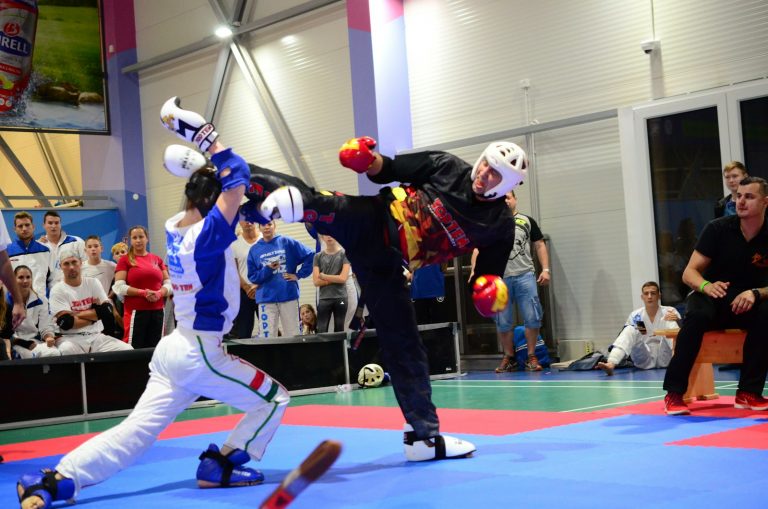
Taekwondo is distinguished by its dynamic techniques, particularly its wide array of kicks, which range from fast front kicks to spinning and jumping kicks that require considerable athleticism, flexibility and timing. Training in taekwondo develops speed, agility, balance and power, and it also emphasises discipline and repetition in the mastery of techniques. Competitive taekwondo, in its Olympic form, is a fast-paced sport in which athletes score points by landing controlled kicks and strikes on their opponents according to the rules. The demanding physical and technical nature of the sport means that reaching a high level requires years of dedicated training, discipline and refinement of technique.
Understanding the techniques and training helps explain what makes taekwondo demanding, because its dynamic kicks require athleticism, flexibility and precise timing developed through years of training. The sport combines physical demands with the discipline of mastering techniques. It is worth acknowledging that training methods and the specific competition rules evolve over time and vary between organisations. What remains general is the point that taekwondo is characterised by dynamic kicking techniques and demands speed, agility and discipline, and that reaching a high level requires sustained, dedicated training, as in any demanding combat sport.
Discipline, respect and values
Beyond its athletic dimension, taekwondo traditionally places strong emphasis on values such as discipline, respect, perseverance, self-control and courtesy. These values are woven into the practice, from the etiquette observed in training to the mindset the sport seeks to cultivate. For many practitioners, particularly young people, this emphasis on character is a large part of taekwondo’s appeal, as the sport is seen as a way to build not only physical skills but also discipline and good conduct. This combination of physical training and character development is a distinctive feature of taekwondo and part of why it is valued as more than simply a competitive sport in Iran and elsewhere.
Understanding the emphasis on discipline, respect and values helps explain taekwondo’s appeal beyond competition, because the sport is valued for building character as well as physical skill. This dimension is especially important for young practitioners and their families. It is worth acknowledging that the degree to which these values are emphasised can vary between clubs and instructors. What remains general is the point that taekwondo traditionally emphasises discipline, respect and self-control alongside its physical techniques, and that this character-building dimension is a significant part of why the sport is valued, in Iran as in many other countries where it is practised.
It is also worth reflecting on how this emphasis on values connects taekwondo to broader ideas about sport and character in Iranian culture. The notion that physical training should go hand in hand with the development of good character echoes themes found in Iran’s older sporting traditions, such as the ethical code associated with the zurkhaneh. While taekwondo is a modern imported sport with its own distinct heritage, its stress on discipline, humility and respect resonates with a cultural expectation that athletes should embody qualities beyond mere physical ability. This resonance may be one reason the sport has been so warmly embraced in Iran. Recognising this helps explain that taekwondo’s popularity rests not only on its competitive success and dynamic techniques but also on a set of values that align with deeply held cultural ideas about what sport should cultivate.
Taekwondo and Iran’s combat sports culture
Taekwondo forms part of a wider culture of combat sports in Iran, a country with deep traditions in disciplines involving physical contest, most notably wrestling. While taekwondo is a modern imported sport rather than a traditional Iranian practice, its popularity reflects a broader cultural affinity for combat sports and physical competition. Alongside wrestling and other martial arts, taekwondo contributes to a rich landscape of combat sports in which Iran has achieved international success. Understanding taekwondo as part of this wider culture helps explain both its popularity and the enthusiasm with which its international achievements are received, connecting it to a broader national appreciation for combat sports.
Understanding taekwondo within Iran’s combat sports culture helps place its popularity in context, because the sport fits within a broader national affinity for combat sports and physical competition. Alongside wrestling and other disciplines, it contributes to a rich combat sports landscape. It is worth acknowledging that taekwondo is a modern imported sport rather than a traditional Iranian one, so its place in the culture is distinct from that of wrestling. What remains general is the point that taekwondo’s popularity reflects a wider Iranian appreciation for combat sports, and that its international successes are received with the enthusiasm that surrounds such disciplines in the country.
Developing young talent
The future of taekwondo in Iran, as in any sport, depends on developing young talent. The sport’s popularity among young people, combined with a network of clubs and coaching, provides a base from which future athletes can emerge. Taekwondo’s appeal to families, in part because of its emphasis on discipline and character, helps sustain participation among the young. Turning this broad participation into international success requires effective coaching, competitive opportunities and continued investment in development. The nurturing of young talent is therefore central to maintaining Iran’s position as a competitive taekwondo nation and to passing the sport on to future generations of practitioners and competitors.
Understanding the importance of developing young talent helps show that taekwondo’s success in Iran depends on ongoing effort rather than resting on past achievements, because each generation of athletes must be developed from a base of young practitioners. The sport’s appeal to families supports this base. It is worth noting that development systems and youth programmes change over time and are best confirmed through current sources. What remains general is the principle that sustaining success in taekwondo depends on developing young talent through effective coaching and competition, building on the sport’s popularity among young people in Iran.
A popular and successful sport
Taken together, taekwondo in Iran is a popular and successful sport that combines dynamic athletic techniques, Olympic prestige, a strong emphasis on discipline and values, and a place within the country’s wider combat sports culture. Understanding this general picture provides context for appreciating why taekwondo has become so significant in Iran, both as a discipline practised widely at the grassroots and as an arena of international achievement. The specifics of results and rankings change constantly and are best followed through current sources, but the broader picture of a popular, values-driven Olympic combat sport offers a durable sense of taekwondo’s place in Iranian sport.
Understanding taekwondo as a popular and successful sport helps bring together its athletic, cultural and character-building dimensions, because its significance in Iran rests on all of these at once. This general overview is a starting point rather than a complete or current account. For up-to-date results, rankings and athlete information, readers should always turn to reliable, current sources, since these change continually and this article does not attempt to capture them. What it offers is a durable sense of why taekwondo has become such a significant and valued sport in Iran, combining athletic dynamism with an emphasis on discipline and respect.
Frequently asked questions
What is taekwondo?
Taekwondo is a martial art that originated in Korea and has become a global Olympic sport. It is known especially for its dynamic, fast and high kicks, and it traditionally emphasises values such as discipline, respect, perseverance and self-control alongside its physical techniques.
Is taekwondo popular in Iran?
Yes. Taekwondo has become genuinely popular, widely practised in clubs across the country and appealing to people of many ages for fitness, self-defence, competition and discipline. Iran’s success in international taekwondo has further boosted its popularity, making it one of the country’s most popular combat sports.
Is taekwondo an Olympic sport?
Yes. Taekwondo is included in the Olympic Games, which gives it a global platform and prestige. For Iranian athletes the Olympics represent the pinnacle of competition, and Iran has taken part in Olympic taekwondo, contributing to the sport’s high profile at home. Specific results change with every cycle.
What makes taekwondo distinctive?
Taekwondo is distinguished by its dynamic techniques, particularly its wide array of kicks, from fast front kicks to spinning and jumping kicks that require athleticism, flexibility and timing. Training develops speed, agility, balance and power, alongside a strong emphasis on discipline and the mastery of techniques.
Why do families value taekwondo for children?
Beyond its athletic side, taekwondo emphasises discipline, respect, perseverance and self-control, woven into the practice through etiquette and mindset. For many families, this character-building dimension is a large part of the appeal, as the sport is seen as a way to build discipline and good conduct as well as physical skills.
Where can I find current taekwondo results?
Because competitive results change continually, current rankings, medals and athlete achievements are best followed through reliable, up-to-date sources rather than a general overview like this one. This article focuses on the sport’s general character and place in Iranian culture, which is more stable than fast-changing competitive details.
Conclusion
Taekwondo in Iran is a popular and successful sport that combines dynamic athletic techniques, Olympic prestige, a strong emphasis on discipline and values, and a place within the country’s wider combat sports culture. Widely practised at the grassroots and an arena of international achievement, it has become one of Iran’s most significant combat sports. This overview focuses on the sport’s general character and cultural place rather than specific results: for up-to-date rankings and achievements, readers should always consult reliable, current sources, while appreciating the blend of athletic dynamism and character-building values that gives taekwondo its enduring appeal in Iran.