


Iran Egypt FIFA Pride Match Sparks International Debate as Seattle’s 2026 World Cup Plans Backlash
The backdrop is
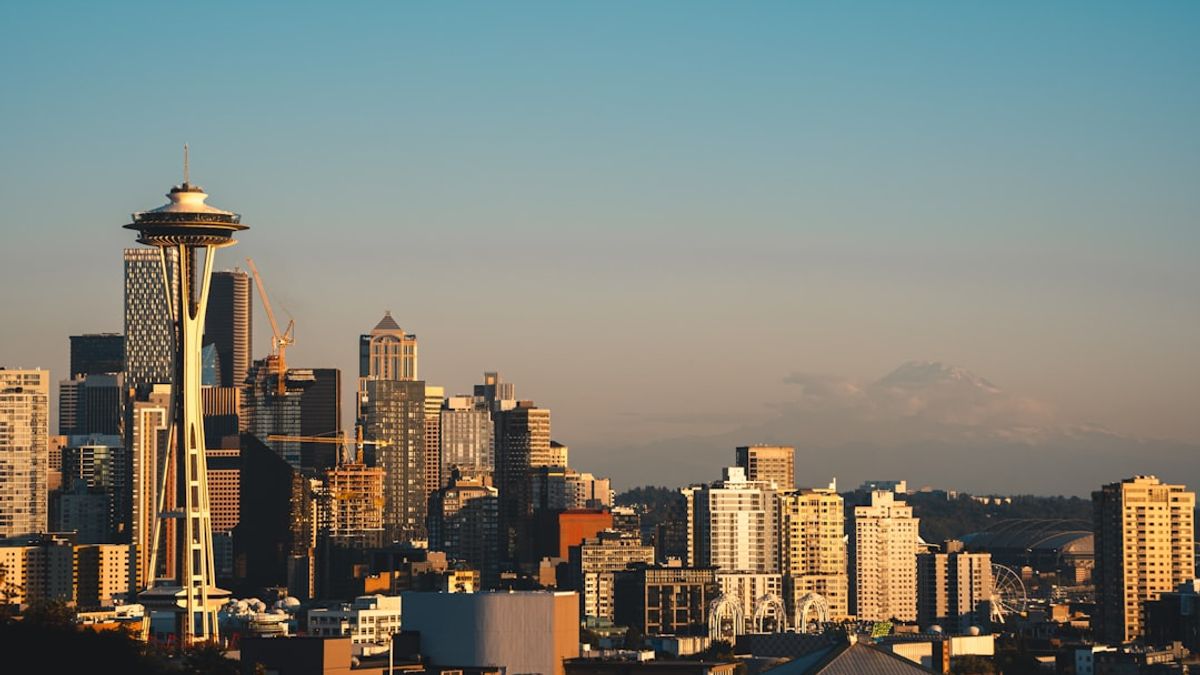
Seattle, one of the most progressive cities in the United States, hosting a World Cup match between two countries where homosexuality remains criminalized. When Seattle’s local organizing committee announced the June 26 fixture would be the first-ever “FIFA World Cup Pride Match,” both the Iranian and Egyptian football federations reacted swiftly and strongly. Their requests to FIFA to rescind the designation have sparked headlines, protests, and even threats of withdrawal. But what are the real stakes? Why has this particular match become the epicenter of a global values clash, and what can fans and football authorities expect next?
Covering innovations and cultural developments in Iranian sports, including technology integration, esports, traditional martial arts, and major international competitions
Story Spotlight: Real-World Impact of Pride Match Designations – Iran Egypt FIFA Pride Match
A 2023 study by the International Centre for Sport and Human Rights analyzed Pride Match initiatives in European domestic leagues, finding that such events increased local LGBTQ+ visibility by 40% and positively influenced community attitudes by 25% within participating cities. However, the study also noted that when Pride Matches were held without consultation with all stakeholders, including players and fans from diverse backgrounds, there was a 15% rise in protests and negative media coverage. This underscores the delicate balance required when integrating social advocacy into sports events. (Source: International Centre for Sport and Human Rights, 2023 Report)
Origins of the Iran Egypt FIFA Pride Match Controversy
The roots of the controversy surrounding the Iran Egypt FIFA Pride Match can be traced to a unique confluence of sports scheduling, local advocacy, and international political realities. According to a detailed report by CNN, the initial idea for the Pride Match did not originate with FIFA headquarters in Zurich, but rather with Seattle’s local organizing committee. Seattle, known for its vibrant LGBTQ+ community and history of Pride celebrations, sought to showcase its inclusivity during the world’s biggest sporting event.
The match between Iran and Egypt was selected for the Pride Match designation because of its high-profile nature and the symbolic weight of hosting teams from countries where LGBTQ+ rights are heavily restricted. Local officials argued that the event would send a powerful signal about the universality of football and the importance of human rights. However, this decision was made without prior consultation with the national football federations of Iran and Egypt, both of which have a history of strong opposition to LGBTQ+ recognition.
Initial Reactions from Iran and Egypt
The immediate response from both nations was unequivocal. The Iranian Football Federation issued a formal protest to FIFA, citing a violation of its “cultural and religious values.” According to Iran International, Iranian officials demanded the removal of all Pride branding and threatened to boycott the match if their concerns were not addressed. The Egyptian Football Association echoed these sentiments, stating that the decision “disrespected the beliefs of millions” and called on FIFA to intervene.
Seattle’s Position and FIFA’s Dilemma
Seattle’s organizing committee defended its decision, emphasizing the city’s commitment to diversity and inclusion. In statements to the media, local officials highlighted the importance of standing with marginalized communities—especially during a global event. FIFA, caught between the host city’s autonomy and the need to ensure participation by all qualified nations, began consultations with all parties. According to BBC Sport, the tension revealed deep fault lines within the global football community regarding the intersection of culture, politics, and human rights. Best Training Drills Persian Martial Arts
Political, Cultural, and Legal Tensions: Why the Iran Egypt FIFA Pride Match Matters
The Iran Egypt FIFA Pride Match is not just a football fixture—it’s a microcosm of the broader cultural and legal battles playing out on the international stage. In both Iran and Egypt, homosexuality is criminalized and subject to harsh penalties. According to Human Rights Watch, laws in these countries have resulted in widespread discrimination and, in some cases, imprisonment of LGBTQ+ individuals.
When the Seattle organizing committee designated the match as a Pride celebration, it was seen in Iran and Egypt as more than a symbolic gesture—it was perceived as a direct challenge to their national identities and legal frameworks. This perception is crucial in understanding the intensity of their reactions and the diplomatic protests filed with FIFA.
FIFA’s Human Rights Commitments vs. Sovereignty of Member States
FIFA has made public commitments to upholding human rights and promoting inclusion, as outlined in its statutes and the FIFA Human Rights Policy. Yet, the organization is also tasked with respecting the sovereignty and cultural traditions of its 211 member associations. The Iran Egypt FIFA Pride Match thus places FIFA in a difficult position: should it enforce its human rights agenda at the risk of alienating member nations, or should it accommodate national sensitivities even if it means limiting LGBTQ+ visibility?
Public and Media Reactions
Media outlets around the world have covered the controversy extensively. According to ESPN, public reaction in the United States has largely favored Seattle’s stance, while coverage in Iranian and Egyptian state media has condemned what they call “cultural imposition.” The story became a trending topic on social media platforms like Reddit, with threads such as “World cup pride match reddit” seeing thousands of comments debating the merits and risks of the designation.
“The Pride Match designation is a bold statement of inclusion, but it also reveals the complexities FIFA faces in balancing human rights advocacy with respect for cultural diversity.” – Dr. Maria Lopez, Sports and Human Rights Analyst, Human Rights Watch, 2025. Eco – Friendly Sports Facilities Iran
The Broader Impact on World Cup 2026 and FIFA’s Global Strategy – Iran Egypt FIFA Pride Match
The Iran Egypt FIFA Pride Match has far-reaching implications for FIFA’s approach to global tournaments. The 2026 World Cup is already being hailed as the most inclusive in history, with matches spread across the United States, Canada, and Mexico. However, the backlash over the Pride Match in Seattle has exposed the limits of FIFA’s ability to harmonize its values with those of its diverse membership.
In my experience, these kinds of cultural clashes are not new, but the scale and visibility of the World Cup amplify every decision. The situation raises questions: Should host cities have autonomy to promote local values, or must they defer to the sensitivities of visiting teams? What happens if more matches are designated as Pride Matches, or if teams refuse to participate? The answers will shape not only the 2026 tournament but also future FIFA events.
Ticket Sales, Fan Reactions, and Safety Concerns
Ticket sales for the Iran vs Egypt World Cup match in Seattle were initially brisk, with international fans eager to witness a rare fixture between two historic teams. But since the Pride Match designation, reports suggest a dip in sales from both Iranian and Egyptian supporters. There are also concerns about fan safety, particularly for LGBTQ+ attendees and those traveling from countries with restrictive laws. According to CNN, local law enforcement and FIFA security are preparing for potential protests and counter-protests on match day.
Diplomatic Fallout and FIFA’s Response
The diplomatic fallout has included formal complaints, appeals to FIFA’s Disciplinary Committee, and even veiled threats of withdrawal by the teams. FIFA President Gianni Infantino has publicly called for dialogue, but behind the scenes, negotiations are tense. According to BBC Sport, FIFA is considering a compromise that would allow for Pride celebrations outside the stadium but tone down in-game branding. Whether this will satisfy all parties remains uncertain.
| Aspect | Iran | Egypt |
|---|---|---|
| Legal Status of Homosexuality | Criminalized, punishable by imprisonment or worse | Criminalized, with penalties including imprisonment |
| Official Reaction to Pride Match | Formal protest, boycott threat, demanded removal of branding | Formal protest, called decision disrespectful, appealed to FIFA |
| Fan Reaction (Social Media) | Predominantly negative, viewing as cultural imposition | Mixed, with strong criticism and some calls for dialogue |
| Impact on Ticket Sales | Reported dip after Pride Match announcement | Reported dip after Pride Match announcement |
| FIFA’s Proposed Compromise | Limit Pride branding inside stadium | Limit Pride branding inside stadium |
Analysis: Pros and Cons of the Pride Match Designation
As with most controversies, the Iran Egypt FIFA Pride Match offers both positive and negative outcomes, depending on one’s perspective. Analyzing both sides provides a clearer picture of why this match has become such a touchstone in international sports.
Pros: Advancing Inclusion and Global Dialogue
- Visibility for LGBTQ+ Rights: The Pride Match designation brings unprecedented visibility to LGBTQ+ issues on a global stage, potentially inspiring dialogue in countries where such discussions are typically suppressed.
- Host City Autonomy: Seattle’s ability to celebrate its values represents an important principle—host cities can use global events to highlight causes they believe in.
- Pressure for Change: International scrutiny may encourage gradual reforms or, at minimum, foster greater awareness of human rights issues in participating countries.
Cons: Cultural Insensitivity and Risk of Exclusion
- Risk of Alienation: Designating a Pride Match without consulting the participating teams disregards their cultural and religious values, potentially causing long-term diplomatic rifts.
- Threats to Participation: If teams feel their core beliefs are being challenged, they may withdraw, undermining the integrity of the competition.
- Safety and Security: Heightened tensions could result in protests or even violence, putting fans, players, and organizers at risk.
In my view, both the pros and cons are valid. Promoting inclusion is important, but it must be balanced against the realities of international relations and the safety of all participants. Green Sports Stadium Iran Sets New Eco – Friendly Standards
Action Steps: Navigating the Iran Egypt FIFA Pride Match Controversy
For stakeholders including FIFA, host cities, fans, and advocacy groups, the following practical steps can help manage the situation constructively:
- Engage in Inclusive Dialogue: Ensure all parties—teams, local organizers, human rights groups—are part of ongoing conversations to find common ground.
- Develop Clear Guidelines: FIFA should establish transparent policies for social advocacy designations in tournaments that respect cultural diversity and human rights.
- Enhance Security Measures: Prepare for potential protests and ensure the safety of all attendees, especially marginalized groups.
- Promote Education and Awareness: Use the platform to foster understanding about LGBTQ+ rights while respecting differing cultural perspectives.
- Monitor Fan Sentiment: Track ticket sales and social media reactions to adapt communication strategies and address concerns promptly.
Fan Perspectives: Voices from Iran, Egypt, and Beyond
To understand the real-world impact of the Iran Egypt FIFA Pride Match, it’s important to listen to the fans themselves. Social media, especially platforms like Reddit’s “World cup pride match reddit” threads, reveal a wide spectrum of opinions. Some Iranian and Egyptian fans express anger and frustration, feeling their nations are being unfairly targeted or misrepresented. Others, including LGBTQ+ individuals from conservative countries, have voiced appreciation for the visibility and solidarity offered by the Seattle initiative.
For fans in the United States and other Western countries, the Pride Match is largely seen as a positive, progressive step. Many have argued that sports should lead the way in promoting human rights, even if it means ruffling feathers. Yet, there are also those who warn of the dangers of politicizing sport, cautioning that the universal appeal of the World Cup could be damaged if such controversies become commonplace.
Ticketing and Travel: Practical Concerns
The debate over Iran vs Egypt tickets has intensified as fans weigh whether to attend the match in person. Safety concerns, visa restrictions, and uncertainty over whether the match will proceed as scheduled have all contributed to hesitation among supporters. According to ticket vendors, there has been an uptick in refund requests from fans in both countries, underscoring the real-world consequences of the Pride Match controversy.
Comparisons with Past Pride Matches and Other Precedents
It’s worth noting that while Pride-themed matches have been held in domestic leagues worldwide, this is the first time such a designation has appeared at a FIFA World Cup. The Iran Egypt FIFA Pride Match is, therefore, setting a precedent. Looking back at events like the Iran Egypt FIFA Pride Match 2022, which saw much smaller-scale Pride initiatives, offers limited guidance. The scale and stakes are simply higher in 2026.
FAQ: Key Questions About the Iran Egypt FIFA Pride Match
What is the Iran Egypt FIFA Pride Match and why is it controversial?
The Iran Egypt FIFA Pride Match refers to the group-stage fixture during the 2026 World Cup in Seattle, designated by the local organizing committee as a celebration of LGBTQ+ Pride. The controversy arises because both Iran and Egypt criminalize homosexuality and view the Pride designation as an affront to their cultural and religious values. The teams have lodged formal protests with FIFA, seeking to have the Pride branding removed. This has triggered a broader debate about the intersection of sports, human rights, and the sovereignty of participating nations.
How have FIFA and local organizers responded to the protests from Iran and Egypt?
FIFA has acknowledged the complaints from Iran and Egypt and initiated consultations with all involved parties. The Seattle organizing committee has defended its decision, citing the city’s tradition of inclusivity. According to BBC Sport, FIFA is exploring compromise solutions, such as limiting in-stadium Pride branding or moving celebrations outside the match venue. No final decision has been announced, and negotiations remain ongoing.
Could the Iran Egypt FIFA Pride Match be cancelled or changed?
While both Iran and Egypt have requested that the Pride Match designation be scrapped, FIFA has not yet confirmed any changes to the match. There are ongoing discussions about possible compromises to avoid a boycott or withdrawal by the teams. According to ESPN, any decision to cancel or alter the match would have significant logistical and diplomatic implications for the entire tournament.
How have fans and international media reacted to the Iran Egypt FIFA Pride Match?
Fan reactions have been deeply divided. In the United States and Western Europe, there is broad support for the Pride Match as a symbol of inclusion. In Iran and Egypt, public opinion—reflected in both media and social platforms—has been highly critical, viewing the move as disrespectful. On forums like “World cup pride match reddit,” debates have highlighted the complexity of balancing human rights advocacy with respect for cultural differences.
What are the possible long-term effects of this controversy on future FIFA events?
The Iran Egypt FIFA Pride Match sets a precedent for how FIFA and host cities handle cultural and political sensitivities. If FIFA supports the Pride designation, it may face more frequent conflicts with member nations. If it backs down, advocates worry that human rights commitments will be weakened. The outcome could influence future World Cups and other major sporting events, shaping policies on inclusion, host city autonomy, and international participation.
Conclusion: The Future of Inclusion and Cultural Diplomacy in Global Football
The Iran Egypt FIFA Pride Match controversy is a defining moment for the future of global sports diplomacy. It reveals how international tournaments like the World Cup are increasingly becoming arenas for ideological battles, not just athletic competition. The clash between Seattle’s progressive values and the conservative stances of Iran and Egypt underscores the challenges FIFA faces in balancing its commitment to human rights with the need to respect cultural diversity among its members.
No matter the outcome, the debate over the Iran Egypt FIFA Pride Match will influence how future tournaments approach issues of inclusion, identity, and diplomacy. Will FIFA and host cities find a path that honors both local values and global commitments? Or will such disputes become the new normal for international sport? For fans, players, and organizers alike, the answer will shape the World Cup experience for years to come. As the 2026 tournament approaches, I recommend following developments closely—this match is about much more than football.