
A visiting side loses at altitude and the post-match explanation writes itself: the thin air, the unfamiliar legs, the away team gasping while the hosts breathe easy. It is the most reached-for excuse in a manager’s press conference, and it is also one of the least supported by what exercise physiology actually measures at the moderate altitudes most stadiums sit at.
Journalists reach for the explanation partly because it is simple and partly because it is genuinely rooted in real physiology, which makes it a hard claim to dismiss outright even when it is doing far more explanatory work in a match report than the underlying science actually supports.
The altitude effect football performance genuinely produces is real but narrow, confined mostly to sustained aerobic output rather than the short, repeated sprints that dominate a match. The size of home advantage attributed to altitude, by contrast, is large and consistent. Something else is doing most of that work.
This piece sets the two apart: what altitude measurably does to a body, and what portion of a stadium’s reputation for being unbeatable is actually explained by elevation rather than everything else that happens to travel with it.
- Measured effect: reduced oxygen availability lowers sustained aerobic capacity, most noticeably above roughly two thousand metres
- What it barely touches: sprint speed, jumping, and short bursts of anaerobic effort
- What gets blamed on altitude but usually is not: travel fatigue, unfamiliar surfaces, and referee bias toward a boisterous home crowd
- What actually predicts a strong home record at altitude: how rarely visiting sides get to train there beforehand
What altitude physically does to the body
Above roughly fifteen hundred to two thousand metres, the partial pressure of oxygen in the air drops enough to measurably reduce the amount of oxygen the blood can carry per breath. The body compensates by breathing faster and pushing the heart rate up for the same workload, which is why an unacclimatised visitor can feel breathless doing something that would be routine at sea level.
This effect scales with elevation and with the duration of the effort. A ninety-second sprint draws mostly on stored energy systems that do not depend heavily on inhaled oxygen in the moment, while a sustained run lasting several minutes depends on it directly, which is why endurance events show a much clearer altitude penalty than short, explosive ones.
Individual variation in how a body responds to reduced oxygen availability is also considerable, shaped by genetics, prior exposure to altitude earlier in life, and general aerobic fitness. Two players of similar overall ability can show meaningfully different altitude responses, which is one reason a squad’s collective performance at elevation is harder to predict from sea-level form than most pre-match analysis assumes.
Altitude effect football performance is smaller than the folklore claims
Applied to a ninety-minute match built from repeated short sprints rather than one long sustained effort, the altitude effect football performance actually experiences shows up mainly as a slower recovery between sprints rather than a reduction in top speed or jump height. A player can still run as fast for as long a burst as they would at sea level; what suffers is how quickly they can do it again.
Over a full match, that recovery penalty accumulates, and it becomes visible in the data as a gradual decline in high-intensity running in the second half for unacclimatised visiting teams, rather than as an immediate, first-half disadvantage.
Acclimatisation, and how much of it is realistic
Physiologists generally put meaningful acclimatisation at somewhere between one and two weeks of continuous exposure, which is far longer than the one or two days most visiting squads spend at an away venue before a single fixture. A short trip essentially guarantees an unacclimatised performance regardless of how fit the travelling squad is at sea level.
Some national federations with a fixture at altitude schedule a longer training camp beforehand for exactly this reason, accepting the cost in disrupted club schedules because the physiological benefit of even a partial acclimatisation window is measurable in a way that a single extra day of rest is not.
A partial acclimatisation window, even a few days short of the full recommended period, still produces some measurable benefit, mainly through improved sleep quality and a reduction in the acute symptoms of altitude exposure such as headache and disturbed sleep that would otherwise compound with ordinary travel fatigue. Squads that cannot justify a full camp sometimes settle for this partial exposure specifically for that secondary benefit, even while accepting that full respiratory adaptation remains out of reach.
What altitude does not explain: travel fatigue
Grounds at significant elevation are also, in most cases, geographically remote, which means the travelling team arrives having absorbed a longer journey than a typical away fixture requires. Long-haul travel fatigue, disrupted sleep and unfamiliar food are separate, well-documented performance drags that have nothing to do with oxygen levels but happen to arrive bundled with every trip to a high-altitude venue.
Separating the two requires comparing performance at a similar travel distance without the elevation change, which is rarely possible within a single domestic calendar, and this is exactly why the two effects get conflated so easily in casual analysis.
What altitude does not explain: the crowd and the referee
High-altitude venues are frequently also the more passionate, more intimidating grounds within a domestic calendar, for reasons of local identity that predate the elevation entirely. A hostile, loud crowd has its own well-studied effect on refereeing decisions, tending to produce marginally more decisions in the home side’s favour, independent of anything happening in the players’ lungs.
Attributing a strong home record entirely to elevation lets a simpler, better-evidenced explanation, crowd-influenced officiating and a genuinely intimidating atmosphere, disappear from the account entirely.
Noise itself has a separate, well-documented effect on communication between defenders trying to organise a line against a home attack, independent of anything altitude does to the body. A back four that cannot hear a marking call across a deafening stadium is exposed to a coordination failure that has nothing to do with oxygen levels and everything to do with acoustics, yet it produces exactly the kind of costly mistake that gets filed under altitude in the post-match narrative.
The training-ground gap nobody measures
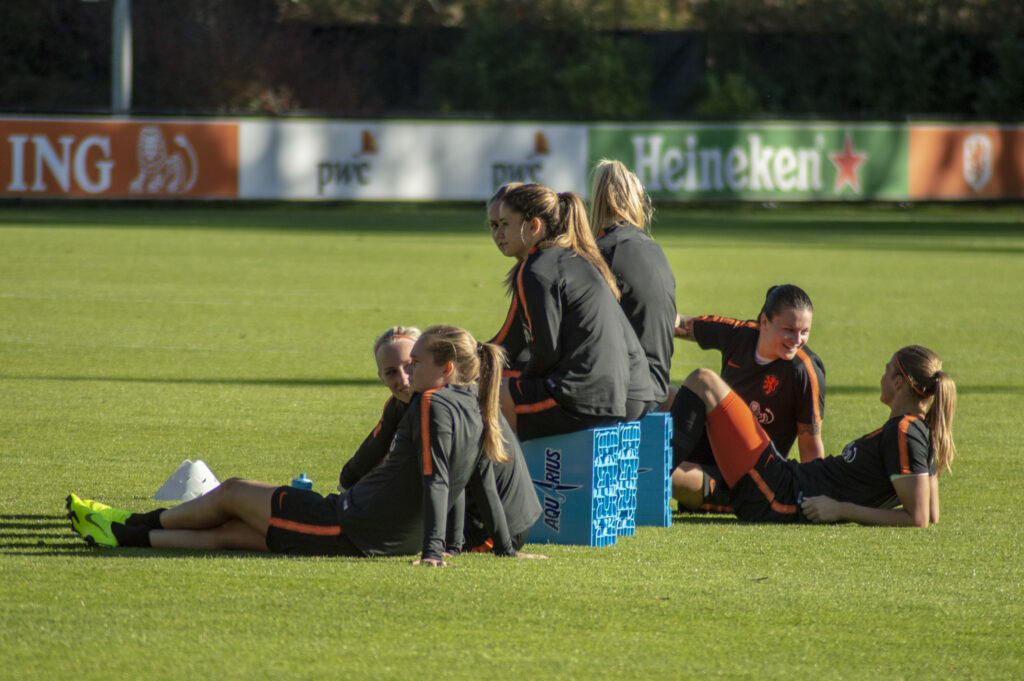
The strongest single predictor of a dominant altitude home record in the available data is not elevation itself but exposure: home teams train at that elevation every single week, all season, while visiting teams see it once or twice a year for ninety minutes. That gap in accumulated exposure produces a real conditioning advantage that has nothing to do with any innate property of altitude and everything to do with who gets to adapt to it and who does not.
A visiting side drawn from players who grew up or previously played at similar elevations shows a noticeably smaller performance gap than one drawn entirely from sea-level careers, which supports exposure, not raw physiology on the day, as the larger driver.
Youth academies based at altitude venues effectively bank this exposure advantage from adolescence onward, producing first-team players who never had to consciously acclimatise at all because their bodies developed under those conditions from the start. Recruiting such a player specifically for their altitude background is a recognised, if narrow, strategy among clubs that play regularly at elevation and want to reduce their own squad’s exposure gap without relying entirely on training-camp scheduling.
How much of the effect survives past the first thirty minutes
Where an aerobic disadvantage does show up, it tends to concentrate in the last third of a match rather than the opening exchanges, once accumulated fatigue meets a recovery system already working harder than usual. Substitution patterns from unacclimatised visiting sides at altitude venues often reflect this, with earlier changes made specifically to manage legs that are working under a heavier aerobic load than the scoreline alone would suggest.
Coaches who plan substitutions around this pattern, rather than around form or tactics alone, tend to preserve more of their team’s pressing intensity in the closing stages than those who wait for visible signs of fatigue before reacting.
Recovery between matches, not just within one, is where an unacclimatised trip at altitude tends to leave its longest mark, since the elevated heart rate and breathing effort sustained throughout the match add a genuine physiological cost that shows up as slower recovery markers in the days following the trip, occasionally affecting a squad’s readiness for the very next fixture even after the travel itself is long over.
Tracking data from these fixtures tends to show high-speed running holding up reasonably well through the first hour before dropping away sharply, a pattern distinct from the steadier, more linear fatigue curve seen at sea level. That distinction is itself a useful diagnostic: a team whose running output collapses in a sudden step rather than a gradual slide is showing a pattern more consistent with an aerobic ceiling than with ordinary match fatigue.
What players themselves report
Athlete-reported perceived exertion at altitude is consistently higher than the objective physical output would predict at sea level, which matters because a player who feels they are working far harder than usual will often make more conservative decisions on the pitch, holding position rather than making an extra late run, even before any measurable drop in capacity has occurred. This perceptual gap can shape a match’s tempo before the physiological effect itself becomes the dominant factor.
Sports scientists who work with squads travelling to altitude routinely brief players on this gap in advance specifically to manage it, since a player who understands that early breathlessness is expected and not a sign of poor fitness is less likely to panic or change their game plan prematurely.
Younger or less experienced players tend to show a larger perceptual gap than seasoned professionals who have already made several trips to altitude venues over a career, which is one reason coaching staff sometimes weight team selection for an altitude fixture toward players with prior exposure to the specific ground, independent of current form back home.
Practical steps that actually help on a short trip
Given that full acclimatisation is unrealistic on a short away trip, the interventions with the best evidence behind them are more modest: arriving with enough time to recover from travel fatigue specifically, adjusting warm-up intensity to avoid an unnecessarily hard effort before the match itself, and pacing hydration carefully, since fluid loss through breathing increases at altitude in ways that are easy to underestimate.
Some squads also use supplemental oxygen or altitude tents in preparation, though the evidence for either meaningfully closing the gap in the specific window available to a travelling team remains thin, and most sports scientists treat them as a marginal addition rather than a substitute for the exposure time that acclimatisation actually requires.
Frequently Asked Questions
At what elevation does the altitude effect on football performance become measurable?
Physiologists generally place the threshold at around fifteen hundred to two thousand metres, below which the effect on oxygen delivery is negligible for most trained athletes.
Does altitude reduce sprint speed or jump height?
Not meaningfully. Short, explosive efforts draw on energy systems that do not depend heavily on inhaled oxygen in the moment; the measurable penalty is in how quickly a player recovers between efforts.
How long does real acclimatisation take?
Somewhere between one and two weeks of continuous exposure, far longer than the single day or two most travelling squads get before a fixture.
Is home advantage at altitude mostly physiological?
The data points more toward accumulated training exposure, travel fatigue and crowd-influenced officiating than to elevation acting alone on the visiting team’s bodies.
Can a visiting team do anything useful in a single short trip?
Arriving a day or two early helps modestly with sleep and travel recovery, but it will not produce meaningful respiratory acclimatisation in that window.
The number worth remembering is not the elevation printed on a stadium’s Wikipedia page. It is how many weeks a season the home side spends breathing that air compared with the ninety minutes the visitors get.