


A club wins promotion from the second tier on the last matchday of the season, and the celebration lasts about as long as it takes for the finance committee to open the licensing manual for the division above. The gap between what a promoted club was spending to survive one level down and what it now has to spend to be allowed to compete is rarely covered by the prize money attached to going up.
The Azadegan league sits directly beneath the top division, and it is where this gap is most visible every single season, because the division produces genuine promotion contenders on shoestring budgets that then meet a licensing and infrastructure bill built for a wealthier tier. Some go up and struggle to survive there for more than a year or two; a smaller number never take up the place at all.
This piece sets out what promotion from that level actually costs, in facilities, wages and travel, and why the churn of clubs appearing and disappearing near the bottom of the top flight is not accidental.
- Budgets one level down: a fraction of top-flight spending, often built around one or two committed backers
- What promotion adds immediately: stadium standards, squad depth, and a wage bill that cannot be phased in gradually
- Travel costs jump with the geography of a national top flight rather than a regional second tier
- Outcome: several promoted clubs relegate again within two seasons, more often on finances than on form
What a competitive Azadegan league budget actually looks like
Clubs pushing for promotion from this level typically run on budgets that are a small fraction of a mid-table top-flight club, often anchored around a single industrial sponsor, a municipal contribution, or a wealthy local backer covering the gap between ticket and sponsorship revenue and actual costs. Squads are built on short contracts and free transfers far more often than on transfer fees, because there is rarely a fee budget to speak of.
This financial model works reasonably well within the division itself, where most rivals operate under similar constraints and the gap in resources between the top and bottom of the table is narrower than it becomes one tier up.
The fragility shows up the moment a club has to compete outside that peer group. A single bad debt, a delayed sponsor payment or an unexpected repair bill can threaten a club’s ability to finish a season even at this level, long before promotion adds any new obligations at all.
Attendance revenue at this level also tends to be modest and unpredictable, dependent heavily on how a particular season’s promotion race is unfolding rather than on a stable season-ticket base of the kind bigger clubs rely on. A club whose form falls away from contention by midseason can see matchday income drop sharply just as fixed costs like staff wages and travel remain unchanged.
What promotion actually costs: stadium standards
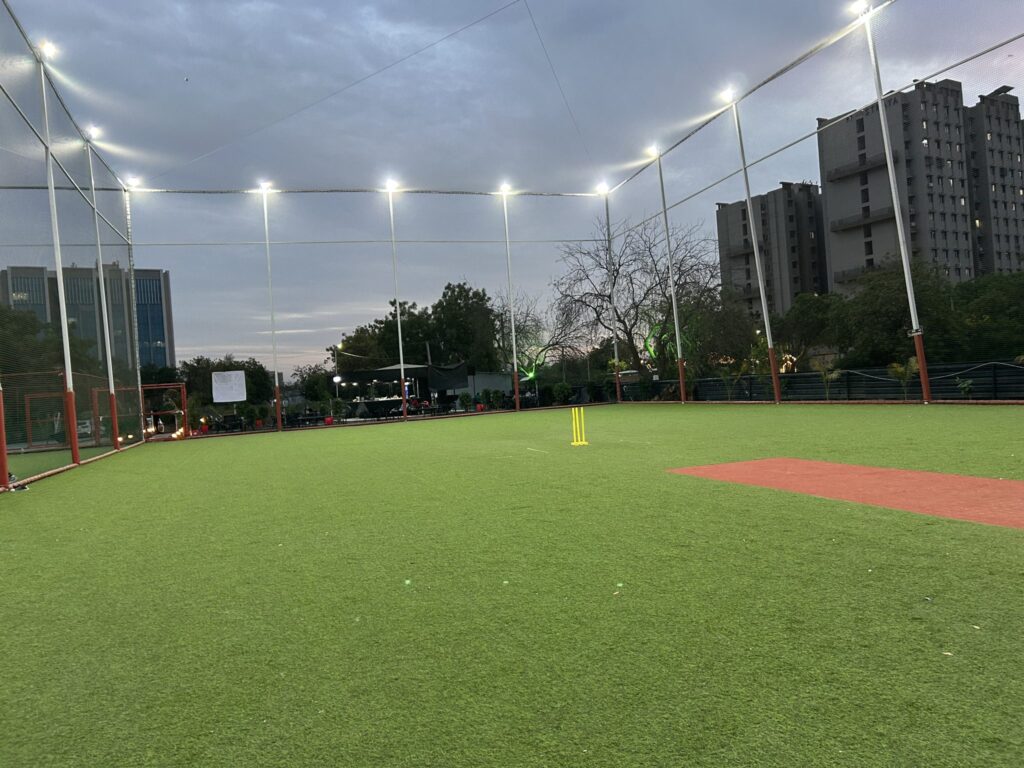
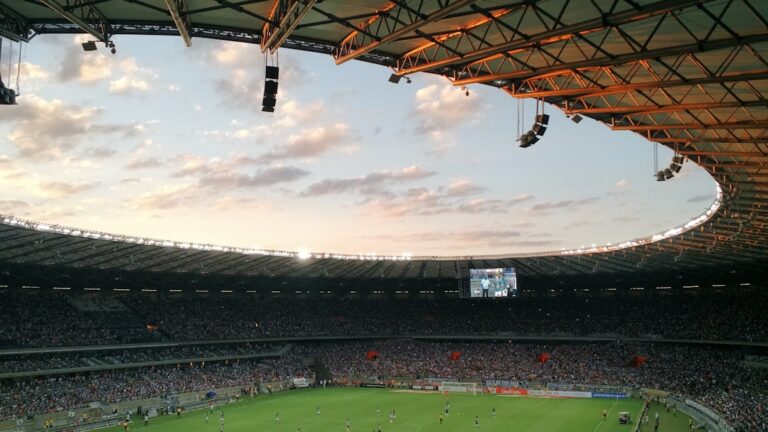
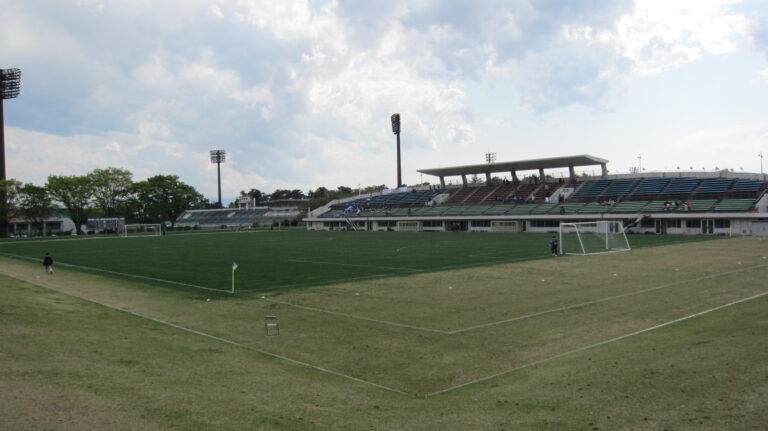
Top-flight licensing sets minimum standards for pitch quality, floodlighting, seating capacity and safety infrastructure that many Azadegan league grounds do not meet without significant, often urgent investment. A ground that has served a club perfectly well in the second tier can fail a top-flight inspection outright, forcing a choice between an expensive retrofit on a tight deadline or groundsharing arrangements that come with their own costs and scheduling headaches.
Floodlighting upgrades alone can represent a meaningful share of a newly promoted club’s entire close-season budget, because top-flight fixtures scheduled for evening broadcast slots demand a lighting standard that a daytime-only second-tier ground was never built to meet.
What promotion actually costs: the wage bill
Player wages cannot be phased in gradually the way stadium repairs sometimes can. A squad built to survive in the Azadegan league is, in most cases, simply not competitive at top-flight quality, which forces a promoted club into an immediate summer of new signings on wages that dwarf what the squad was earning a season earlier.
Retaining even a core of the promotion-winning squad usually requires renegotiating contracts upward regardless of individual performance, purely to match a new market rate, which puts a promoted club in the uncomfortable position of paying more for continuity than it would for turnover, at exactly the moment its finances are already stretched by other new costs.
The result is a squad that often looks unrecognisable by the September after promotion, built partly from ambition and partly from the blunt fact that the players who won promotion were, for the most part, priced for a different league.
Azadegan league Iran clubs must survive before they climb
What gets lost in the celebration of a promotion is that Azadegan league Iran clubs have to survive their own division first, on budgets that leave almost no reserve for the step up, before any of the top-flight costs even arrive. A club that spends its way to promotion by overextending in the second tier arrives in the top flight already carrying debt that the extra prize money and broadcast revenue rarely covers in year one.
This is why licensing bodies increasingly scrutinise a promoted club’s finances before confirming its top-flight place, rather than treating sporting success on the pitch as sufficient on its own; a club that cannot demonstrate it can meet the new financial and infrastructure bar can, in principle, be denied entry even after winning promotion outright.
Travel costs jump with the geography of a national league
A second-tier campaign often clusters fixtures within a smaller regional footprint, keeping travel costs manageable for a club without a dedicated logistics budget. The top flight is a genuinely national competition, and a promoted club based in a provincial city can suddenly find itself budgeting for long overnight trips to fixtures it never had to plan for a division below.
Squad accommodation, charter transport and the staffing needed to manage a heavier travel schedule are costs that rarely appear in a promotion business case built mainly around player wages, and clubs that underestimate this line item tend to discover the gap mid-season, when it is far harder to correct.
Medical and recovery provision has to scale with this heavier travel schedule too, since a squad absorbing more long trips needs more structured recovery protocols to avoid the accumulated fatigue and injury risk that comes with it, another staffing and facility cost that a second-tier operation was rarely built to provide at the required standard.
The churn of clubs that appear and disappear
Look at the bottom of the top flight over a run of seasons and the same pattern recurs: a newly promoted club survives one campaign, sometimes two, before relegation returns it to the Azadegan league, occasionally followed by financial problems severe enough to threaten the club’s existence altogether. This churn is not simply a story of weaker teams losing matches; it reflects the financial mismatch described above playing out in real time.
A smaller number of promoted clubs manage to consolidate, usually because a backer with deeper resources was already positioning for exactly this step before promotion arrived, rather than reacting to it afterward. The clubs that plan the jump a season in advance fare visibly better than the ones that treat licensing compliance as a summer scramble.
What a licensing audit actually checks before the season starts
Beyond the stadium and wage questions, a licensing audit for a promoted club covers administrative capacity: whether the club has qualified staff in required roles, whether its financial reporting meets the standard demanded of a top-flight member, and whether contracts and registrations for the newly assembled squad are in order well before the opening fixture. A club that has only ever operated at second-tier scale often lacks the administrative staff to handle this volume of compliance work on top of everything else a promotion summer demands.
Some clubs hire external consultants specifically for this one summer, treating the licensing audit itself as a cost of promotion separate from anything spent on players or facilities, because failing the audit on a paperwork technicality is a real and avoidable risk.
Insurance requirements also step up at the higher level, covering everything from player contracts to public liability at a larger, more heavily attended venue, and a club that has never needed this scale of cover before often finds the premium itself a meaningful new line item that has to be budgeted for well before the season starts rather than discovered once a claim arises.
What a club can realistically prepare for in advance
Clubs with the most stable transitions tend to start preparing for a promotion push during the two seasons before it happens, gradually raising facility standards and building administrative capacity even while still competing in the lower division, rather than waiting for the mathematics of promotion to become certain. This approach spreads the cost over several budgets instead of concentrating it into a single frantic summer.
It also means a club is less exposed if promotion arrives a season earlier than expected, which happens more often than boardrooms plan for, since a strong run of form in the final weeks of a season can turn a mid-table push into an unexpected promotion campaign with only a few weeks’ notice to prepare.
The gap in commercial revenue nobody budgets for early enough
Sponsorship and matchday commercial income scale very differently between the two divisions, and a club used to negotiating modest local sponsorship deals often discovers that top-flight commercial contracts require a level of brand presentation, matchday hospitality infrastructure and media obligations that its existing staff have never had to manage. Building this capacity from scratch in a single close season adds a further cost line that rarely appears in the initial promotion celebration.
Some clubs address this by bringing in commercial staff on short-term contracts specifically for the transition year, treating the first top-flight season partly as a capacity-building exercise rather than assuming existing structures will simply scale up on their own.
Squad depth: the cost that compounds across a longer season
A congested top-flight calendar, with continental qualification always a possibility for a strong debut season, asks for squad depth that a second-tier campaign rarely requires, since rotation options that were a luxury one level down become close to a necessity once fixture congestion sets in. Clubs that promote with a thin squad often find their form collapsing specifically in the busiest stretch of the calendar, once injuries and suspensions catch up with a group of players unused to that workload.
Building that depth affordably, without the transfer budget of an established top-flight club, usually means leaning on loan signings and free transfers from players dropped by bigger clubs, a market that is more competitive than it looks given how many newly promoted sides are chasing the same short list of available players every summer.
Frequently Asked Questions
What does the Azadegan league sit beneath in the football pyramid?
It sits directly beneath the top division, serving as the main promotion and relegation route into the country’s premier competition.
Why do newly promoted clubs often struggle financially?
Stadium standards, wage bills and travel costs all rise sharply on promotion, and prize money and broadcast revenue rarely cover the gap in the first season.
Can a club be denied its top-flight place after winning promotion?
Yes, if it fails to meet licensing requirements around infrastructure, finances or administrative capacity, a club can be denied entry despite finishing high enough on the pitch.
Why do travel costs increase so much after promotion?
The top flight is a genuinely national competition, while the tier below often clusters fixtures more regionally, so promoted clubs suddenly face longer, more frequent away trips.
Do most promoted clubs stay in the top flight for long?
A significant share are relegated within one or two seasons, usually undone by the financial mismatch between their promotion-winning budget and top-flight costs rather than by form alone.
The trophy for winning promotion gets handed out on the pitch. The bill for keeping the place it earns arrives afterward, and it rarely matches what the celebration suggested.