



A single stadium’s offside technology installation involves more physical infrastructure than most fans watching the resulting graphic on a broadcast ever consider: a dozen or more dedicated tracking cameras fixed to the roof structure, a calibration process specific to that exact venue, and trained operators who did not exist as a job category before this technology arrived. None of it is portable between stadiums without redoing much of the work from scratch.
This is precisely why adoption has proceeded stadium by stadium rather than as a single league-wide switch flipped on for every ground simultaneously. The technology is not a piece of software a league licenses once and distributes; it is a physical installation with a real cost attached to every individual venue that wants it, and that cost includes far more than the cameras themselves.
Understanding what the installation actually requires explains why some grounds have it and comparable grounds in the same competition do not, and why the gap is unlikely to close quickly regardless of how much a governing body wants uniform coverage.
- Cameras. A dedicated array of tracking cameras, distinct from broadcast cameras, fixed to the stadium roof.
- Calibration. A venue-specific setup process mapping the exact pitch dimensions and camera angles.
- Operators. Trained staff who monitor the system and manage the review process during a match.
- Cost driver. The physical installation and ongoing operation, not a one-time software purchase.
- Adoption pattern. Stadium by stadium, based on individual venue budget and infrastructure.
Why this is a stadium installation, not a league product
Semi-automated offside technology relies on a fixed array of tracking cameras calibrated precisely to a specific stadium’s exact geometry, which means the system cannot simply be purchased once and rolled out identically everywhere. Each venue requires its own camera positions, its own calibration data and, in most implementations, its own dedicated processing hardware installed on-site rather than accessed remotely from a shared central system.
A league can mandate the technology in principle, but it cannot install it centrally the way it might roll out a shared broadcast graphics package, because the underlying tracking data genuinely depends on physical infrastructure unique to each ground.
This is a meaningful distinction from how supporters sometimes discuss officiating technology, as though a competition simply switches it on for a new season the way it might adopt a new ball supplier. The comparison undersells how much site-specific engineering sits behind what appears on a broadcast graphic as a clean, instant line drawn across the pitch.
The camera array: how many, and where they go
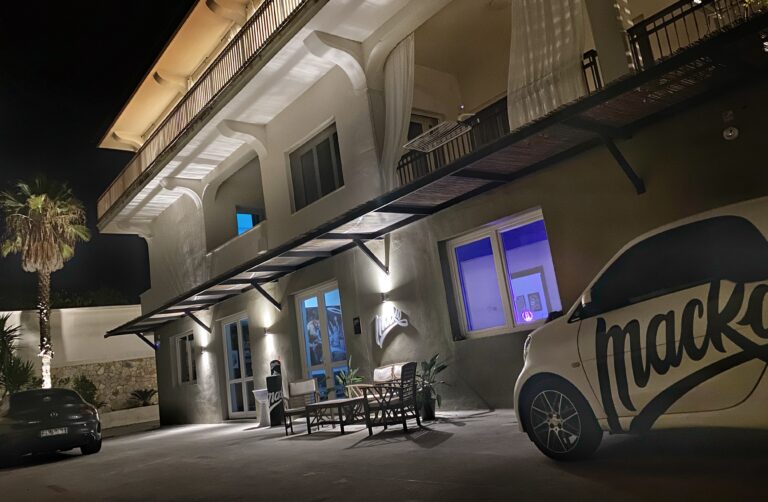
A typical installation uses somewhere between ten and twenty dedicated tracking cameras positioned around a stadium’s roof structure, distinct from the broadcast cameras already in place for the television production, chosen specifically for angles that let the system track the position of players and the ball with the precision the technology requires. Roof structures vary enormously between venues in height, angle and available mounting points, which means a camera layout that works cleanly at one stadium cannot simply be copied at another without a fresh engineering assessment.
Older stadiums, particularly ones not originally designed with this kind of infrastructure in mind, often require additional structural work simply to create secure, stable mounting points at the correct height and angle, adding a cost layer entirely separate from the cameras themselves that a newer, purpose-built stadium may not face at all.
A stadium’s existing broadcast camera positions occasionally overlap usefully with where a tracking camera would ideally sit, which can modestly reduce installation cost, but the two camera types serve different technical functions and one cannot simply substitute for the other regardless of how similar their physical placement looks from the stands.
Insurance and liability considerations add a further, less visible cost layer to any structural roof work, since a venue’s existing insurance arrangements often require a specific engineering sign-off before new equipment can be permanently mounted to a load-bearing structure, a regulatory step that adds time and expense beyond the physical installation itself.
Calibration: getting the mathematics to match the pitch
Once cameras are physically installed, a calibration process maps their combined output against the exact dimensions of that stadium’s specific pitch, since even small variations in pitch markings, dimensions within the permitted range, or camera mounting precision can introduce errors the system’s tight tolerances cannot absorb. This calibration is not a one-time task completed at installation and forgotten; it typically requires periodic verification to confirm the system remains accurate as conditions change.
Any physical change to the stadium, a resurfaced pitch, an altered roof structure, or even significant construction work nearby that could affect camera stability, can require a full recalibration before the system can be trusted for a competitive match again, which is an ongoing cost most discussions of the technology’s price tag do not fully account for.
Weather also plays a role that few outside the operational side of the system appreciate, since heavy rain, low winter light or fog can degrade camera tracking quality enough to require a supplementary manual verification step before a marginal decision is confirmed, a fallback procedure clubs and officials rehearse specifically because relying purely on automated output in poor conditions carries a real risk of error.
The operators: a skill that did not exist five years ago
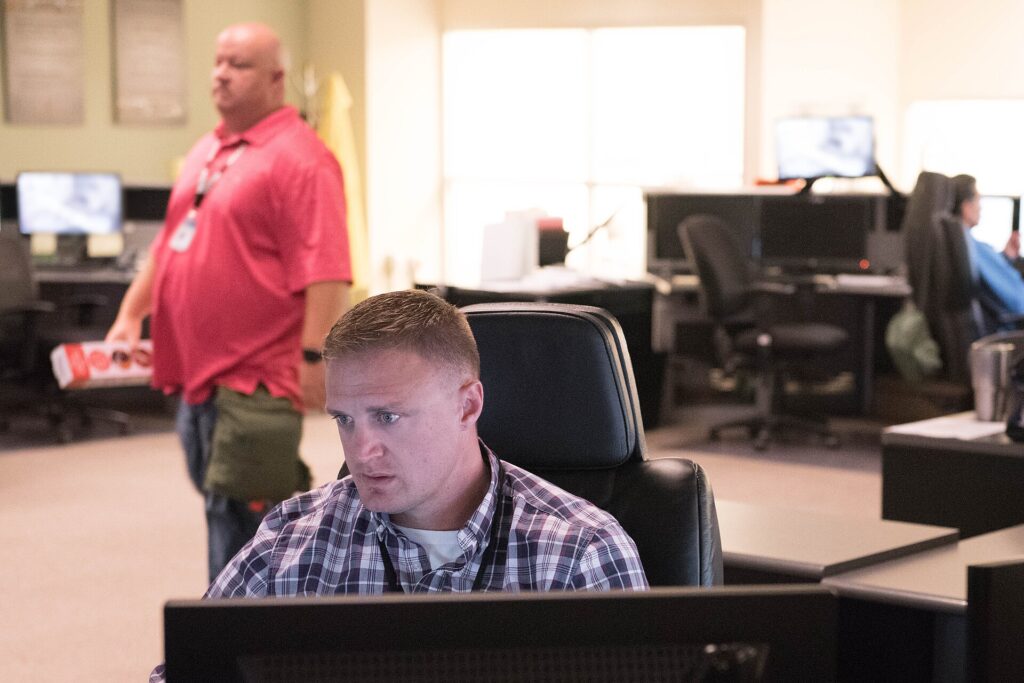
Running the system during a match requires trained operators who monitor its output in real time, manage the review process when a decision is referred, and understand both the technology’s capabilities and its specific failure modes well enough to flag a result that looks anomalous rather than trusting every automated output uncritically. This is a genuinely new job category, and the pool of people trained to do it competently was essentially nonexistent before the technology itself existed.
Training a new operator takes real time, and the demand for competent operators across a growing number of installations globally has meant clubs and leagues sometimes compete for the same small pool of experienced staff, which pushes up the ongoing operational cost beyond what the initial equipment purchase alone would suggest.
Some technology providers now bundle a period of operator training and ongoing certification into their service contracts specifically to address this shortage, treating staffing capacity as part of what a venue is actually purchasing rather than an afterthought left entirely to the club or league to solve on its own once the hardware is installed.
Semi-automated offside technology cost: what the budget line actually includes
A full accounting of semi-automated offside technology cost for a single venue includes the camera hardware itself, any structural work needed to mount it, the initial calibration process, ongoing recalibration as conditions change, ongoing licensing or data processing fees to the technology provider, and the salaries of trained operators for every match the system is used. Clubs evaluating whether to invest often underestimate the ongoing operational share of this total relative to the upfront hardware cost, which is the more visible and more frequently quoted figure in public discussion of the technology.
This total cost structure is also why smaller leagues and lower divisions almost never adopt the technology even when a top-flight competition in the same country has, since the economics that justify the investment at the highest level of the game, primarily broadcast value and the cost of a high-profile refereeing error, do not scale down proportionally to a competition with a smaller audience and lower stakes attached to any individual decision.
Why adoption proceeds stadium by stadium
Because the installation is venue-specific rather than league-wide, a competition can end up with a genuine split between grounds that have the technology and grounds that do not, even within the same top division, if individual clubs bear some or all of the installation cost themselves rather than the league funding a uniform rollout centrally. This creates the somewhat awkward situation of a technology being available for some matches in a competition and not others, depending purely on which stadium is hosting.
Leagues generally aim for full coverage eventually, but the practical reality of staggered installation, driven by each venue’s own budget cycle and construction scheduling, means a multi-year transition period is the norm rather than the exception almost everywhere the technology has been introduced.
What a club actually weighs before investing
A club deciding whether to fund an installation weighs the cost against a mix of factors that are difficult to quantify precisely: the reputational cost of a high-profile refereeing error the technology might have prevented, any competition regulations that increasingly require it for certain fixture categories such as continental competition, and the broadcast value of being seen to use current officiating technology. None of these factors produces a clean return-on-investment calculation the way a more straightforward infrastructure purchase would.
This uncertainty is part of why some financially capable clubs have been slower to adopt the technology than their budget alone would suggest, waiting instead for competition regulations to make the decision for them rather than volunteering the investment ahead of any formal requirement.
How this compares with the broader video review system
Semi-automated offside technology is a specific, narrower tool within the broader video assistant referee system, and a venue can have full video review infrastructure, cameras and a review room, without necessarily having the additional dedicated tracking array this specific offside technology requires. Understanding this distinction matters because a stadium described as having video review capability is not automatically equipped with the more specialized offside-specific system, and the two should not be assumed to arrive together.
This layering also means a league can introduce general video review relatively broadly while the more specialized, more expensive offside technology remains limited to a smaller number of flagship venues, a staged approach several competitions have followed deliberately rather than by accident.
Cost components compared across a typical installation
| Component | When the cost is incurred | Recurring or one-time |
|---|---|---|
| Camera hardware and mounting | Initial installation | Largely one-time, with occasional replacement |
| Structural roof work, if needed | Initial installation | One-time |
| Calibration and recalibration | Installation and after any physical change | Recurring |
| Trained operators | Every match using the system | Recurring |
What the next several years likely look like
The clearest trend is gradual, uneven expansion rather than a sudden uniform switch, with flagship stadiums hosting continental or high-broadcast-value fixtures adopting the technology first, and smaller or older venues following only once costs decline or competition regulations force the issue. Camera and processing hardware costs have generally fallen as the technology matures, which should ease the initial installation burden somewhat, but the recurring operational costs, calibration and trained staff, are less likely to fall at the same rate.
Anyone tracking which venues have the technology and which do not should expect that list to keep changing for years rather than settling quickly, since the staggered, venue-by-venue nature of the investment is a structural feature of how the technology works, not a temporary phase of early adoption.
Frequently Asked Questions
Why can’t a league just install this technology at every stadium at once?
Each installation is calibrated to a specific venue’s camera positions and pitch geometry, making it a physical, venue-by-venue project rather than a centrally distributed software product.
What does the ongoing cost of the system mainly consist of?
Recalibration after any physical change to the venue, and the salaries of trained operators required for every match the system covers.
Is having video assistant referee capability the same as having offside tracking technology?
No. A venue can have general video review infrastructure without the additional, more specialized tracking array this specific offside technology requires.
Why do smaller leagues rarely adopt this technology?
The cost structure is justified mainly by broadcast value and the stakes of individual decisions at the highest level, economics that do not scale down to smaller competitions.
Is the technology getting cheaper over time?
Hardware costs have generally declined, but recurring costs like calibration and trained staffing have not fallen at the same pace.
The graphic on the broadcast looks instant. Behind it sits a roof full of cameras, a calibration file specific to that one pitch, and a trained operator whose job title barely existed a few seasons ago.