



Wrestling is one of the oldest sports in the world and one of the most deeply rooted in Iranian culture, yet for a newcomer watching a match for the first time it can be surprisingly hard to follow. Bodies lock together, positions shift in an instant, and points appear on the scoreboard for movements that are not obvious to an untrained eye. Because so much of the action happens in close contact and at high speed, wrestling rewards the viewer who understands a handful of basic principles far more than most sports do, and a little preparation turns what looks like a scramble into a readable contest of technique, strength and strategy.
Understanding the fundamentals of how wrestling is scored and structured helps a beginner enjoy the sport immediately, because once you can see why points are awarded the flow of a match becomes clear rather than chaotic. This guide explains the general framework of the two main Olympic styles and the ideas common to most wrestling, keeping to well-established principles rather than specific competition results or records, which change over time. Rules are periodically refined by the sport’s governing bodies, so treat the details here as an evergreen introduction and check current official regulations for the exact scoring values and match formats in force at any given event.
The two main Olympic styles: freestyle and Greco-Roman
Modern international wrestling is organised primarily around two Olympic styles, freestyle and Greco-Roman, and understanding the difference between them is the single most useful thing a beginner can learn. In freestyle, wrestlers may use their legs and may attack their opponent’s legs, which makes takedowns involving grabbing below the waist a central feature and gives the sport a fast, wide-ranging character. Greco-Roman, by contrast, forbids holds below the waist and prohibits using the legs to trip or lift, so all attacks must be directed at the upper body, producing spectacular throws and a heavy emphasis on upper-body strength and clinch work.
Recognising which style you are watching changes what you should look for, because the same wrestler would fight very differently under each set of rules. Iran has a strong tradition in both styles, and its wrestlers are among the most respected internationally, which is part of why the sport carries such cultural weight in the country. There is also a rich heritage of traditional wrestling with its own customs, but the Olympic styles are the ones you will most often see in international broadcasts, so they are the natural starting point for a new viewer.
How a wrestling match is structured
A typical international wrestling match is contested over a set period divided into rounds, with the wrestlers competing on a circular mat marked with zones that matter for scoring and safety. The bout begins with both wrestlers on their feet in the neutral position, and from there they work to score through takedowns, exposures and other scoring actions until time expires or a decisive result ends the contest early. The circular mat has an outer zone that signals when action has moved out of bounds, and pushing an opponent out or being pushed out has consequences a beginner will quickly learn to watch for.
Understanding the structure helps a newcomer track momentum, because wrestling matches can swing rapidly and a large early lead does not guarantee victory. Certain margins of advantage can end a match early through what is often called technical superiority, and pinning an opponent’s shoulders to the mat ends the bout immediately regardless of the score, which is why even a wrestler who is behind stays dangerous until the final whistle. Because the exact durations, round formats and margins are set by the governing body and occasionally adjusted, the current official rules are the place to confirm specifics.
How points are scored
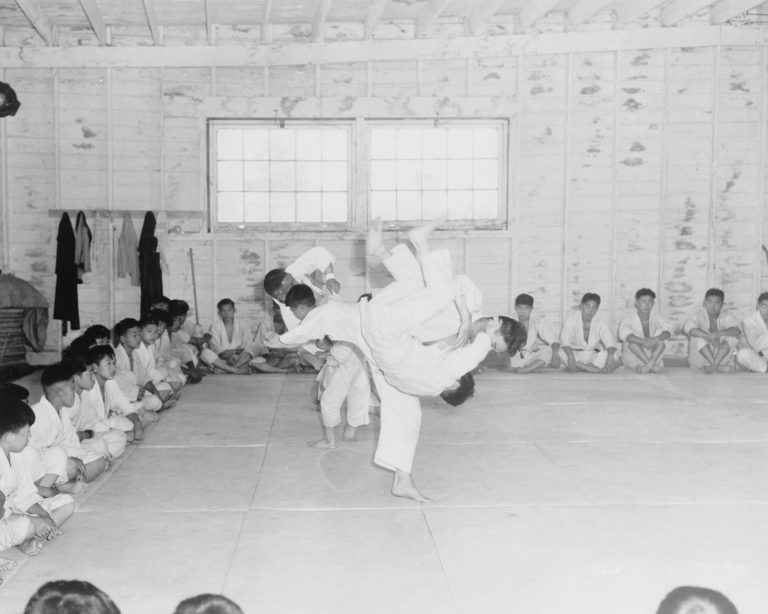
Points in wrestling are awarded for specific actions, and while the exact values are set by the rulebook and can change, the categories are stable enough to guide a new viewer. A takedown, bringing an opponent from a neutral standing position down to the mat and gaining control, is a fundamental scoring action worth points. Exposure, turning an opponent so that their back is exposed to the mat, is another key way to score, and it rewards the control and technique that separate skilled wrestlers from merely strong ones.
Understanding the scoring categories helps a beginner appreciate why wrestlers work so hard for position, because control and back exposure, not just aggression, are what put points on the board. Additional points can come from an opponent’s rule violations, from actions near the edge of the mat, and from other specific situations defined in the rules. The pin, sometimes called a fall, sits above all of this because it ends the match outright, which is why you will see a wrestler with a comfortable lead still driving to turn an opponent onto their back.
Because the precise point values attached to each action are periodically revised by the sport’s governing body, a beginner should focus first on recognising the type of action, takedown, exposure, edge action or violation, rather than memorising numbers. Once the categories are familiar, the scoreboard starts to make intuitive sense, and the current official rulebook can fill in the exact values for any specific competition you are watching.
| Aspect | Common belief | Reality |
|---|---|---|
| Freestyle vs Greco-Roman | They are basically the same sport | Freestyle allows leg attacks; Greco-Roman forbids holds below the waist |
| Scoring | Only pins matter | Takedowns, exposures and other actions all score; a pin ends the match |
| A big lead | A large early lead means the match is over | Pins and technical superiority can flip or end a bout at any moment |
| Watching | You need to know every rule first | Learning the style, main scoring actions and positions is enough to enjoy it |
Key positions and terms to recognise
A few positions recur constantly and are worth learning early. The neutral position, with both wrestlers standing and neither in control, is where most matches begin and reset. The clinch or tie-up, where wrestlers grip each other’s upper body, is the launching point for many attacks, especially in Greco-Roman. On the mat, one wrestler may work from the top position seeking to turn and control the opponent, while the other defends from underneath, and this par-terre or ground phase is where much of the technical battle over exposure takes place.
Recognising these positions helps a beginner understand the ebb and flow of a bout, because wrestling constantly cycles between standing exchanges and ground struggles. Terms like takedown, exposure, gut wrench, arm throw and single or double leg attack describe specific techniques, and while you do not need to master them to enjoy a match, picking up a handful makes commentary far more meaningful. The vocabulary is shared across the international sport, so learning it once serves you across every competition you watch.
Reading strategy and momentum
Beyond the mechanics of scoring, wrestling is a deeply strategic sport, and part of the pleasure of watching comes from reading intentions. A wrestler who is ahead may adopt a more defensive, position-focused approach to protect a lead, while one who is behind must take risks, and the tension between caution and aggression drives the drama of the closing period. Managing the clock, the edge of the mat and an opponent’s fatigue are all part of the strategic layer that becomes visible once the basic rules are understood.
Understanding strategy helps a beginner see why a match that looks cautious can be as compelling as a high-scoring one, because the chess-like manoeuvring for position is central to the sport. Conditioning matters enormously, and many matches turn on which wrestler can maintain technique and pressure as fatigue sets in, so the final moments often reward the better-prepared athlete rather than simply the stronger one. Watching for these shifts in momentum, rather than only for the points, is what separates casual viewing from genuine appreciation.
The role of the referee and officials
Officiating in wrestling involves a team rather than a single referee, typically including a mat official who controls the bout directly and additional officials who confirm scoring and resolve disputes. Their signals, hand gestures indicating points, warnings and out-of-bounds, are a language of their own, and learning to read them helps a beginner follow decisions in real time. Because so much of the action is fast and close, officials play a crucial role in awarding points fairly, and their decisions can be reviewed in many competitions.
Understanding the officiating structure helps a newcomer make sense of pauses and challenges, because coaches can often contest a decision, prompting a review that briefly stops the action. These review systems are designed to correct clear errors, and while they can interrupt the flow, they generally improve accuracy. Since the exact review procedures and officiating signals are defined by the governing body and occasionally updated, the current rules are the reference for precise details, but the basic principle of a team of officials confirming scores is consistent across international wrestling.
Why wrestling matters so much in Iran
For an Iranian audience, wrestling is far more than a sport; it carries centuries of cultural meaning and is closely tied to ideals of strength, humility and honour. The traditional training houses and the pahlevani heritage connect modern competitive wrestling to a much older set of values, and this cultural depth is part of why Iranian wrestlers command such respect and why the sport draws passionate followings. International success in wrestling resonates in Iran in a way that reflects this long history rather than momentary sporting fashion.
Understanding this cultural background helps a foreign viewer appreciate the emotional weight behind Iranian wrestling, because the sport sits at the intersection of athletic excellence and national identity. This context does not require exaggeration or invented detail to be meaningful; the well-documented heritage of wrestling in Iranian culture speaks for itself. Approaching the sport with awareness of that heritage adds a layer of appreciation that pure technical knowledge alone cannot provide, and it helps explain the intensity of support that greets Iranian wrestlers on the international stage.
Tips for enjoying your first matches
For a genuinely enjoyable first experience, start by identifying the style, freestyle or Greco-Roman, so you know what kinds of attacks are legal, and then watch a few bouts simply to get used to the pace before worrying about every point. Following the scoreboard alongside the action helps connect movements to their scoring value, and paying attention to the officials’ signals teaches you the visual language of the sport surprisingly quickly. Commentary, where available, is a valuable guide for a beginner, because it names techniques as they happen.
Understanding that early confusion is normal helps a newcomer stick with the sport long enough to appreciate it, because wrestling genuinely rewards repeat viewing more than most sports do. As you watch more, the scrambles that once looked like chaos resolve into recognisable sequences of attack, defence and counter, and the strategic layer becomes visible. There is no need to master every rule at once; a grasp of the styles, the main scoring actions and the basic positions is enough to turn a first match from a puzzle into a genuinely gripping contest.
Frequently asked questions
What is the difference between freestyle and Greco-Roman wrestling?
Freestyle allows wrestlers to use their legs and to attack an opponent’s legs, so takedowns below the waist are common. Greco-Roman forbids holds below the waist and using the legs to trip or lift, so all attacks target the upper body, favouring throws and clinch work.
How do you win a wrestling match?
You can win on points at the end of the bout, by pinning your opponent’s shoulders to the mat for an immediate victory, or by reaching a large enough scoring margin for technical superiority, depending on the rules in force. A pin ends the match regardless of the score.
What is a takedown?
A takedown is bringing your opponent from a neutral standing position down to the mat while gaining control. It is one of the fundamental scoring actions in wrestling and a key thing for a beginner to learn to recognise.
Why do wrestlers try to turn their opponent’s back to the mat?
Exposing an opponent’s back to the mat scores points and can lead to a pin, which ends the match. Control and back exposure, not just aggression, are central to scoring, which is why wrestlers work so hard for position.
Are the exact point values always the same?
No. The precise values attached to each action are set by the sport’s governing body and are periodically revised. Beginners should focus on recognising the type of action first and check the current official rulebook for exact values at a given competition.
Why is wrestling so important in Iran?
Wrestling has deep historical and cultural roots in Iran, connected to ideals of strength, humility and honour and to a long heritage including traditional training houses. This cultural depth is part of why Iranian wrestlers are so respected internationally.
Conclusion
Wrestling can look bewildering at first, but it is one of the most rewarding sports to learn to watch, because a small amount of knowledge unlocks a great deal of enjoyment. Once you can tell freestyle from Greco-Roman, recognise the main scoring actions and follow the officials’ signals, a match transforms from a scramble into a readable contest of technique, strength and strategy. Add an awareness of the deep cultural roots the sport holds in Iran, and each bout gains a layer of meaning beyond the scoreboard. Because rules are periodically refined and every competition has its own specifics, use this as an evergreen introduction and confirm the exact current regulations from official sources; results and records change, but the fundamentals of how to watch endure.