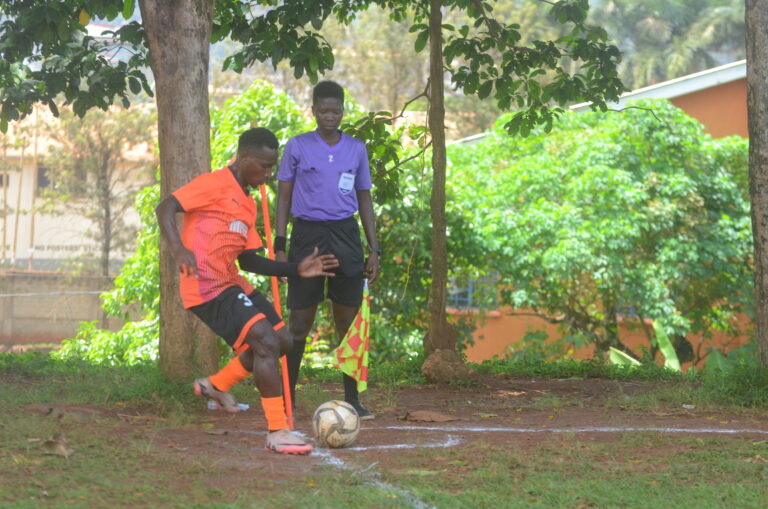




Picture this: a packed stadium, the crowd buzzing with excitement, and you’re standing on the sidelines, heart pounding like a drum. The smell of sweat and the echo of cheers fill the air. You’re not just any athlete; you’re the star of the show. But beneath that shiny exterior, there’s a whirlwind of emotions swirling around. I remember once, during my high school track days, I was on the verge of breaking my personal record. Everyone was counting on me, and I felt like I was about to explode. The pressure was immense, and honestly, I was terrified. But I wasn’t alone in that fear; many athletes experience similar pressures that go largely unspoken. Today, let’s dive into the often-overlooked topic of mental health in athletics—because it’s high time we break that silence.
The Weight of Expectations
When you think about athletes, what comes to mind? Incredible physiques, mind-blowing talent, and all that glitzy glamour, right? But behind those accolades is a reality that many don’t see. The pressure to perform can be suffocating. From a young age, athletes are thrust into competitive environments where every failure can feel like a personal defeat. I mean, I’ve seen parents nearly hyperventilate on the sidelines, yelling things like, “You’ve got to win this one!” Talk about adding fuel to the fire.
Expectations can be self-imposed or come from coaches, teammates, and yes, even the audience. There’s a constant fear of letting people down. It’s like walking a tightrope; one misstep, and you’re plummeting into a pit of disappointment. And it’s not just about winning games; it’s about maintaining scholarships, securing future opportunities, and sometimes, just proving to yourself that you can do it. The stakes are high, and the pressure cooker is real.
A Closer Look at Mental Health
Now, let’s get a little more serious here. Mental health encompasses our emotional, psychological, and social well-being. It affects how we think, feel, and act. And for athletes, the mental aspect can be just as critical as physical training. Did you know that studies show a significant number of athletes experience anxiety and depression? It’s staggering. Here’s a fun fact (not really): according to the National Collegiate Athletic Association (NCAA), about 30% of student-athletes report feeling overwhelming anxiety.
With all that pressure, it’s no wonder that many athletes struggle to maintain their mental health. I once spoke to a former college swimmer who said, “I was convinced that if I didn’t perform at my best, I’d be letting everyone down. But no one talked about how I was feeling. It was all about the times, the medals, the glory.”
Breaking the Silence
So, how do we start breaking this silence surrounding mental health in athletics? First, we need to foster open conversations. Athletes should feel comfortable discussing their mental health without fear of judgment or stigma. Coaches, parents, and teammates can play a huge role here. Just imagine how powerful it would be if coaches encouraged their athletes to talk about their feelings or check in on their mental well-being. It could change the entire culture of sports.
But it’s not just about talking; it’s about listening. Sometimes, people just need a safe space to vent. I remember a teammate of mine nearly burst into tears after a particularly grueling practice. Instead of brushing it off as “just part of the game,” we all sat down and talked. That moment of vulnerability brought us closer together, and it was a reminder that we’re all human—athletes included.
The Role of Coaches and Organizations
Coaches, bless their hearts, often carry the weight of not just training but also mentoring. They can set the tone for how mental health is perceived in their teams. More and more organizations are starting to recognize this. The NBA, for example, has made strides in addressing mental health issues by offering resources and support for players. It’s refreshing to see such initiatives, but we still have a long way to go.
Imagine if every sport had a mental health professional on staff, someone athletes could talk to without the fear of being seen as weak. That could be a game-changer. It’s time we normalize mental health check-ins just like we do physical health check-ups. (Seriously, wouldn’t it be nice if checking in on our mental state was as routine as a warm-up?)
Finding Balance: The Importance of Self-Care
Let’s get real for a second—self-care is not just a trendy buzzword. It’s essential. Athletes often push themselves to their limits, but taking time to recharge is just as crucial. I remember a time when I was so focused on training for a big race that I forgot to take care of myself. Spoiler alert: I didn’t perform how I wanted to. Now, I make it a point to carve out time for relaxation, whether it’s reading a book, hanging out with friends, or just enjoying a quiet evening.
Self-care looks different for everyone. For some, it might mean meditating or practicing yoga. For others, it could be spending time outdoors or indulging in a favorite hobby. The key is to find what works for you and make it a priority. And let’s face it, a little fun can work wonders on your mental health. (Can I get an amen for ice cream therapy?)
Creating a Supportive Environment
But it’s not just individual effort; we need a collective commitment to create a supportive environment. That means peers supporting each other, coaches fostering a culture of openness, and organizations providing resources. What if we had workshops on mental health as part of our training schedules? I can just picture it: “Alright, squad, let’s stretch our minds today!” Sounds a bit cheesy, but you get the idea.
Awareness campaigns can also go a long way. Social media has become a powerful tool for athletes to share their stories and struggles. When prominent athletes speak out about their mental health, it can inspire others to do the same. Who knows, your favorite athlete might just be one post away from helping someone else feel seen and heard.
The Importance of Professional Help
Let’s not sugarcoat it: sometimes, we need professional help. There’s no shame in seeking therapy or counseling. In fact, it’s a sign of strength. Many athletes have benefited from talking to mental health professionals. I once heard a story about a professional soccer player who struggled with depression. After seeking help, he found new coping strategies and was able to channel his energy back into the game. It’s a testament to the power of reaching out when you need it.
We need to change the narrative around mental health and athletics. It’s not a weakness; it’s a part of being human. We all have our battles, and recognizing that is the first step toward healing. Let’s start treating mental health with the same seriousness we treat physical injuries. Because, spoiler alert: both can take you out of the game.
Encouraging Resilience
Resilience is the name of the game, folks. Life throws curveballs, and athletes face unique challenges. But building resilience isn’t just about toughing it out; it’s about developing coping strategies, learning from setbacks, and knowing when to reach out for support. I’ve had my fair share of failures—like that time I tripped during a race and fell flat on my face. Mortifying? Yes. But I learned to bounce back (literally).
Resilience can be cultivated through practice. Think of it as strength training for your mind. Setting small, achievable goals can help boost confidence and foster a sense of accomplishment. And if you stumble, remember: it’s not the end of the world. In fact, some of the best lessons come from our biggest failures. (Trust me, I’ve got a PhD in tripping over my own two feet.)
Conclusion: Let’s Keep the Conversation Going
As we wrap up this chat about mental health in athletics, I want to leave you with one final thought: we all have a role to play in breaking the silence. Whether you’re an athlete, coach, parent, or fan, let’s create a culture where mental health is prioritized, discussed, and respected. It’s time to stop viewing mental health as a taboo topic and start embracing it as part of the athlete’s journey.
So, the next time you’re in the stands cheering for your favorite team or watching from home, remember that there’s more to the game than meets the eye. Let’s support our athletes—on and off the field. Because at the end of the day, we’re all in this together. And honestly, wouldn’t it be great if we could all just take a deep breath and say, “Hey, it’s okay to not be okay”? Let’s keep the conversation going, folks. After all, mental health matters—just as much as that winning goal or personal best.