


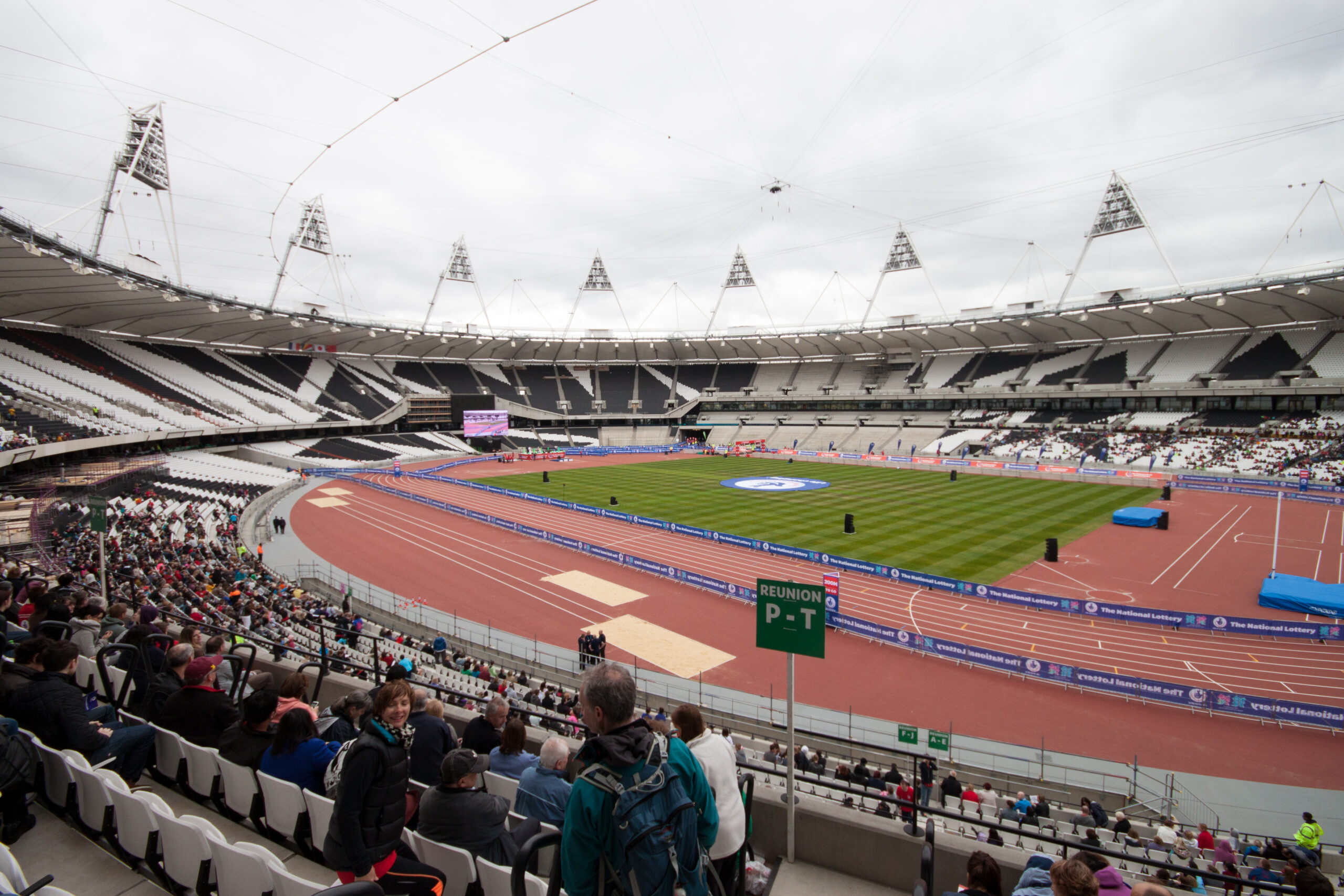
A viewer who opens a multi-sport games programme for the first time and tries to read it like a single tournament schedule usually gives up within a few minutes. Dozens of sports, hundreds of sessions, heats scattered across different days from the finals they lead to, and times listed in a zone that assumes the viewer is sitting in the host city rather than several hours away from it. The programme is not badly designed. It is designed for a different kind of event than the single-sport fixture list most viewers are used to.
Once the structure is understood, the same programme becomes genuinely easy to navigate, because a multi-sport games programme follows a small number of consistent rules regardless of which edition or which host city produced it. Heats and finals are separated by design, sessions are grouped in blocks rather than scattered randomly, and disciplines within the same sport are clustered to share venues and officials efficiently.
This is a method for reading any multi-sport games programme, built once and reusable for whichever edition, in whichever sport, a reader is trying to follow next.
- Heats versus finals. Almost never on the same day for the same event; heats thin the field, finals decide medals.
- Session blocks. Programmes group events into morning, afternoon and evening sessions rather than listing a continuous stream.
- Discipline clustering. Events sharing a venue or equipment are usually scheduled close together.
- Time zone conversion. Always check whether the published time is host-local or your own; the two are rarely the same.
- The one constant. A final always appears later in the programme than its corresponding heat or qualification round, whatever the sport.
Why a multi-sport games programme looks nothing like a single fixture list
A single-sport competition, a football league season or a tennis tournament draw, follows one sport’s own internal logic and rhythm, which most fans already understand intuitively. A multi-sport games programme has to coordinate dozens of separate sports, each with its own competition format, sharing a limited number of venues, officials and broadcast windows across a fixed number of days, which produces a document with a fundamentally different structure than any single sport’s fixture list.
The organizing principle is venue and session efficiency, not narrative flow for any one sport, which is why a programme can look scattered to someone following just one discipline while making complete sense to the organizing committee balancing the needs of every sport in the Games at once.
Multi sport games schedule guide: heats and finals are never together
The single most useful rule in any multi sport games schedule guide is the separation of qualifying rounds from finals. In almost every discipline across every major multi-sport event, a heat, qualifying round or preliminary phase is held on an earlier day than the final it feeds into, sometimes by a full day, sometimes by several, depending on how many rounds the discipline requires to narrow the field.
This separation exists for practical reasons that have nothing to do with drama: broadcasters need advance notice of which finals to prioritize, athletes need recovery time between rounds, and venues need turnaround time to reset for a different discipline sharing the same space. A viewer looking for gold-medal drama on the same day an athlete first appears in the programme is very often looking on the wrong day entirely; the appearance that day is the qualifying round, and the medal decision comes later.
How session blocks organize a single day

Rather than listing events continuously through a day, programmes group competition into named session blocks, typically morning, afternoon and evening, each covering a defined window of several hours during which multiple sports run in parallel across different venues. This structure exists to give broadcasters, ticket holders and athletes a predictable rhythm to plan around rather than a single continuous, unbroken stream of competition from dawn to midnight.
A session block listing is the fastest way to answer the practical question most viewers actually have, what is on this evening, since scanning a single block is far quicker than scanning an entire day’s worth of listings across every sport and venue. Once a reader identifies which block covers their preferred viewing window, everything relevant to that window is grouped together rather than scattered.
Why disciplines within one sport cluster together
Events within a single sport that share a venue, equipment or a pool of officials are usually scheduled close together within the programme, even where they are entirely separate competitions from a results standpoint. Swimming events at different distances share a pool and largely the same timing and officiating infrastructure, which is why a swimming programme clusters heavily on specific days rather than spreading evenly across the whole event; track and field events cluster similarly around the stadium’s availability.
Recognizing this clustering helps a reader anticipate where else to look once they have found one event of interest: an athlete’s other events in the same discipline are very likely to appear within the same clustered window of days, rather than spread randomly across the full length of the Games.
Reading times correctly: the mistake that costs viewers the most

| Common mistake | Why it happens | How to avoid it |
|---|---|---|
| Assuming published times are in your own time zone | Official programmes are usually published in host-local time by default | Always confirm the time zone label before converting |
| Missing a final because only the heat date was checked | Heats and finals are listed separately, sometimes days apart | Search for the discipline across the whole programme, not just one day |
| Expecting continuous coverage through a whole day | Session blocks create natural breaks between windows | Identify the specific session block covering the sport of interest |
| Assuming broadcast schedule matches the official programme exactly | Broadcasters select and sometimes delay coverage for their own market | Cross-check the official programme against your broadcaster’s own listing |
The time zone error is by far the most common, and it is entirely avoidable with one habit: before treating any listed time as final, confirm explicitly whether the programme is published in host-local time, which is the near-universal default for official documents, and convert deliberately rather than assuming the listed hour already matches a viewer’s own clock.
How this method applies to any edition, not just one
The value of learning this structure once is that it transfers cleanly across editions and even across different kinds of multi-sport events, continental games, the Olympic programme, regional championships, because the underlying logistical constraints, shared venues, officiating capacity, broadcast windows, apply regardless of which specific event produced the programme in front of a reader. A viewer who has learned to separate heats from finals, identify session blocks and anticipate discipline clustering for one Games can apply exactly the same reading method to the next one without relearning the structure from scratch.
This is a meaningfully more durable skill than memorizing any single edition’s specific schedule, which becomes useless the moment that edition ends. The method, by contrast, is reusable indefinitely.
What changes between a summer programme and a winter one
The core structural rules, heats before finals, session blocks, discipline clustering, hold across both summer and winter multi-sport events, though the practical texture differs somewhat. Winter events typically run a more compressed sport list across a similar number of days, which produces denser clustering within each sport since fewer disciplines are competing for the same limited venue and broadcast capacity.
Weather-dependent outdoor winter disciplines add an additional layer of schedule uncertainty that summer indoor and stadium events generally do not carry to the same degree, since a session can be delayed or reordered in response to snow or visibility conditions in a way a swimming final rarely needs to be. A reader following a winter programme should expect the published schedule to shift more readily than a summer equivalent and should treat listed times as more provisional accordingly.
A practical walkthrough for finding one athlete’s full schedule
Given an athlete competing in a specific discipline, the fastest reliable method is to search the programme by discipline name rather than by date, since a date-first search assumes prior knowledge of exactly when that athlete’s events fall, which is precisely the information a first-time reader does not yet have. Once every appearance of that discipline is located across the full programme, the qualifying rounds will appear on an earlier date than any final, and the specific session block for each listed date narrows the search to a defined window of hours rather than an entire day.
Cross-checking that discipline-first search against a broadcaster’s own published schedule, where coverage is being followed through a specific channel or platform, catches the additional mismatch that can occur when a broadcaster selects, delays or reorders coverage relative to the official programme for its own market’s convenience.
It is also worth building a habit of rechecking the programme in the day or two immediately before an athlete’s event, rather than relying solely on a schedule saved earlier in the Games. Session times shift more often than casual viewers expect, sometimes by a few minutes to accommodate a delayed preceding event at the same venue, occasionally by hours where weather or broadcast rights renegotiation forces a larger change, and the official programme is updated to reflect these shifts well before most secondary sources catch up.
Reserve lists, repechage and other terms that confuse first-time readers
Beyond the basic heat-and-final structure, several sports use additional formats that a first-time programme reader can easily misread as errors or duplicates. A repechage round, used in disciplines including several combat sports and rowing, gives athletes eliminated in an earlier round a second path back into medal contention, and it appears in the programme as what looks like an extra, out-of-sequence round rather than a straightforward progression from heat to final.
Reserve or standby listings, common in team sports and some individual disciplines, show athletes named to a squad without a guaranteed competition slot, and their appearance in a programme does not necessarily mean they will actually compete on the date listed. Seeded byes, where a higher-ranked competitor skips an early round entirely, can also make a programme look asymmetric between competitors in the same event, with some athletes appearing in the schedule several rounds before others despite competing in the same overall competition.
None of these formats break the core reading method described above. A repechage round still resolves into a later final; a reserve listing still follows the same session-block and time zone rules once that athlete’s actual participation is confirmed. They simply add detail a reader should expect rather than treat as a scheduling inconsistency.
Frequently Asked Questions
Why are heats and finals never scheduled on the same day?
Heats narrow the field and finals decide medals, and the gap between them exists to give broadcasters, athletes and venues the recovery and turnaround time a multi-sport event’s shared infrastructure requires.
What is a session block, and why does it matter?
A named window, typically morning, afternoon or evening, grouping the competition happening across multiple sports and venues during that period, which is the fastest way to find what is on during a specific viewing window.
Why do events in the same sport cluster together in the programme?
Because they typically share a venue, equipment or officiating pool, and scheduling them close together makes efficient use of that shared infrastructure across the limited number of days available.
What is the most common scheduling mistake viewers make?
Assuming a published time is already in their own time zone, when official programmes are almost always published in host-local time by default.
Does this reading method work for winter multi-sport events too?
Yes, the same core rules apply, though winter programmes tend to cluster more densely and are more prone to weather-related schedule shifts than summer events.
The programme is not written for the viewer’s convenience on any single day. It is written for logistical efficiency across the whole event, and once that distinction is clear, the same document that looked chaotic on first glance becomes the fastest way to find exactly what is worth watching next.