


A badminton coach can have a full roster of committed juniors, a sound technical curriculum and still lose half a season’s development to a scheduling sheet, because the hall the club uses is booked for futsal on three of the five evenings juniors are actually free to train. The limiting factor was never coaching quality. It was ceiling height, floor space and who else needed the same room that week.
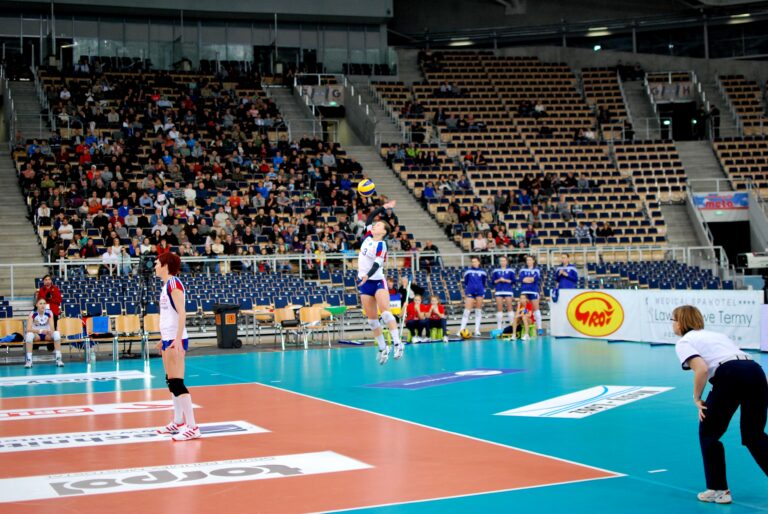
Badminton is an unusually facility-dependent sport for how little equipment it requires. A shuttle’s flight is sensitive to draught, which rules out most genuinely outdoor play at any competitive level, and a competition-height clearance overhead rules out a large share of the multi-purpose halls that host most indoor sport in Iran. The sport does not compete with football or volleyball for talent so much as it competes with them for a much smaller pool of buildings tall enough to host it properly.
This piece explains why hall availability and ceiling height, not coaching supply, are the binding constraint on badminton development, what shared-venue scheduling actually does to a junior programme, and what a realistic remedy looks like given the buildings that already exist.
- The core constraint. A regulation court needs meaningful clearance above the net; many multi-purpose halls do not have it.
- The shuttle problem. Even light draughts from doors, fans or air conditioning disrupt shuttle flight enough to matter competitively.
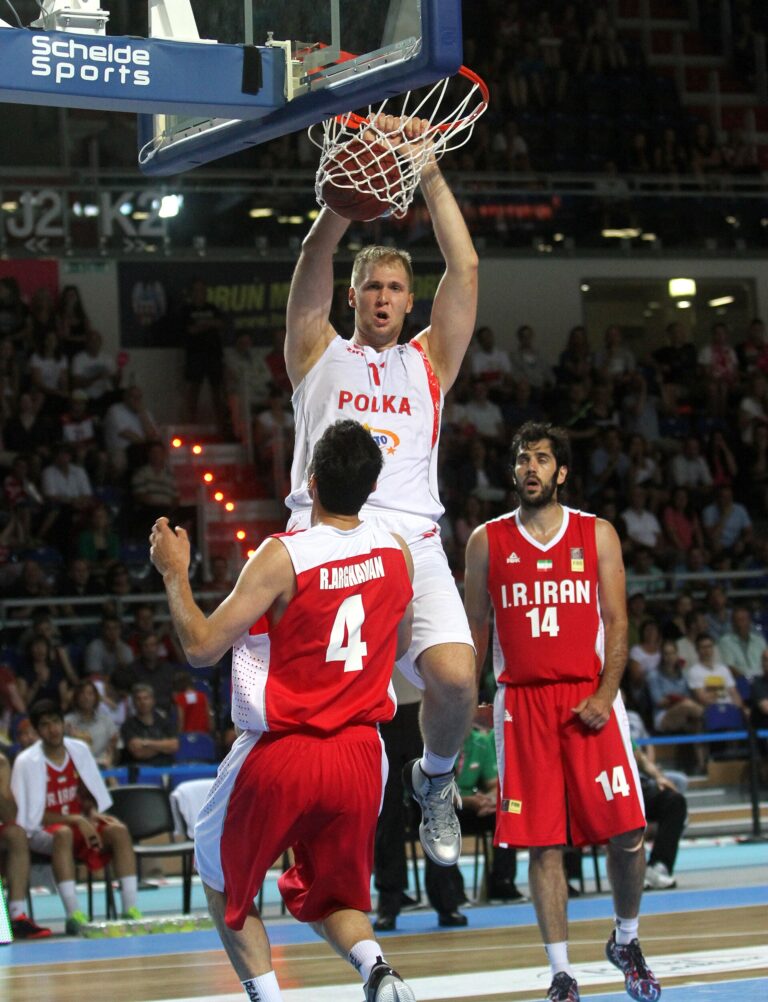
- Who badminton competes with. Futsal, volleyball and basketball for the same limited stock of suitable halls.
- What this does to juniors. Training slots land at inconvenient hours, and consistency across a season suffers.
- The realistic fix. Dedicated court markings and protected hours within existing halls, not new stand-alone buildings.
Why a badminton court needs more than floor space
A badminton court’s footprint is modest compared with a basketball or futsal court, which makes it tempting to assume the sport should fit easily into almost any indoor hall. The footprint is not the constraint. The vertical clearance above the court is, because a shuttle played at a high, deep clear can travel well above the height most multi-purpose halls provide before a ceiling, a light rig, or an overhead structure interferes with play.
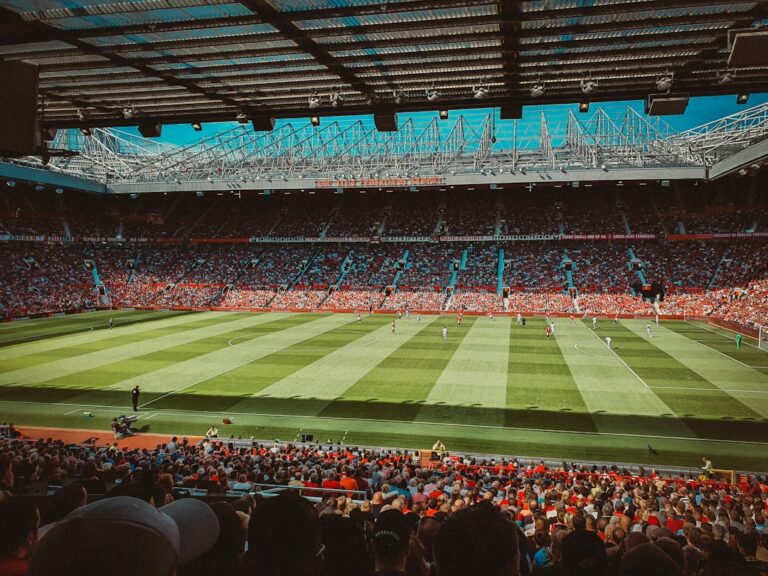
Regulation guidance for competition venues specifies a minimum clear height considerably taller than what many shared halls, designed primarily around volleyball’s lower clearance needs or futsal’s none at all, were built to provide. A hall that comfortably hosts five-a-side football and a volleyball net can be entirely unsuitable for badminton above a recreational level, and this mismatch is invisible until someone actually tries to hit a full-height clear and watches it clip the lighting.
Badminton development facilities: the shuttle is the real constraint
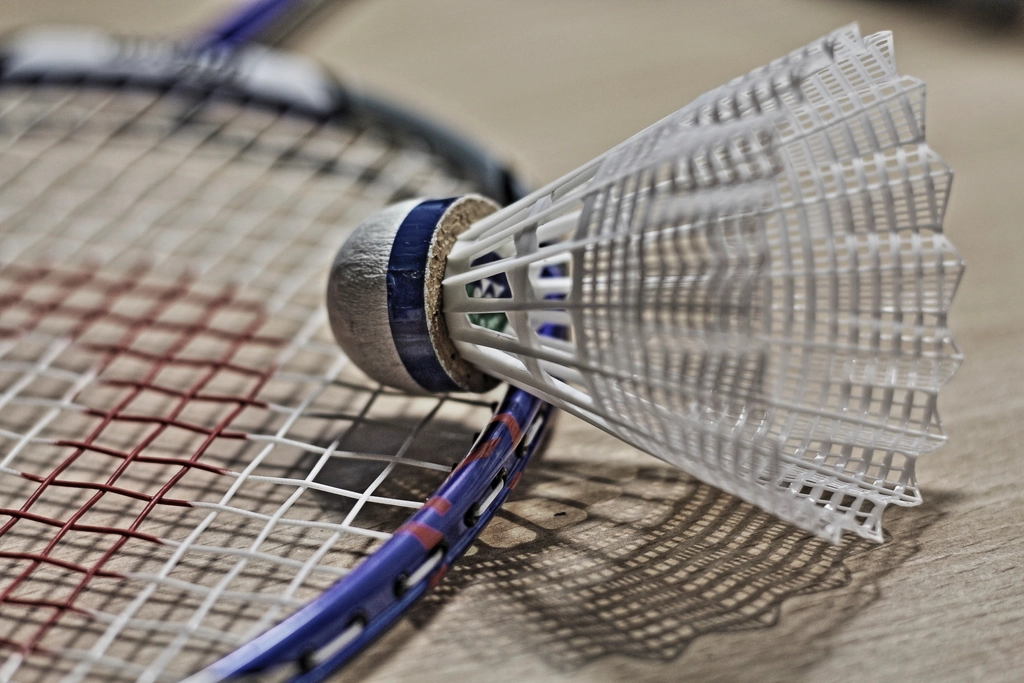
The physics of the shuttlecock is the detail that separates badminton development facilities from almost every other indoor racket or court sport. A shuttle is far lighter and more aerodynamically sensitive than a ball of any kind, and even a modest draught from a propped door, a ceiling fan, or an air conditioning vent changes its flight path enough to matter at a competitive level, where a shot’s intended landing spot can shift by a meaningful margin under airflow a player would not even notice standing still.
This rules out genuinely outdoor play for anything beyond casual recreation, and it also rules out halls that rely on open windows or large fans for ventilation during hot months, which describes a meaningful share of Iran’s older multi-purpose sports halls. A venue that is perfectly adequate for football or volleyball, where a ball’s flight is unaffected by the airflow that would ruin a competitive badminton rally, can be simply unusable for the sport without modification most facility managers are not aware is even necessary.
What juniors actually lose to shared-venue scheduling
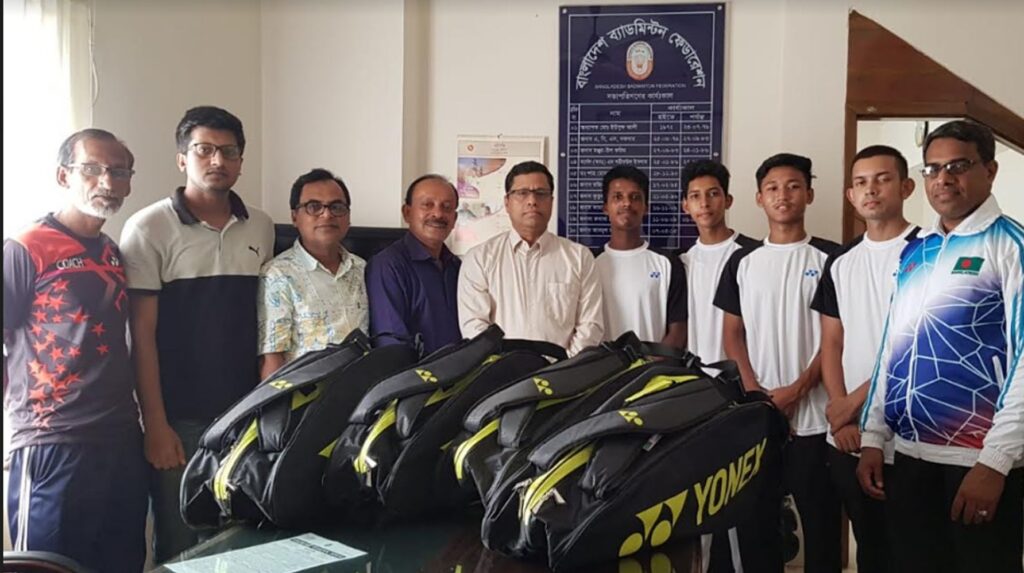
Where a suitable hall exists but is shared across several sports, badminton is frequently the sport that ends up with the least convenient slots, not because of any deliberate deprioritization but because higher-attendance sports with larger active rosters, futsal in particular, are the ones a venue manager schedules first when allocating the limited evening hours when working parents can bring children to train.
A junior programme that trains at inconsistent times, sometimes early evening, sometimes late, sometimes displaced entirely when a higher-priority booking needs the space, struggles to build the kind of repetitive, high-volume practice that technical development in this sport requires. Coaches interviewed across several clubs describe the same pattern: technical progress that should compound steadily across a season instead resets partially every time a scheduling change interrupts a training block for two or three weeks.
This is a different problem from a simple shortage of coaching hours. The coaching capacity often exists; what is missing is a protected, consistent slot in a hall tall enough to use it properly.
How this compares with padel’s very different facility problem
It is worth contrasting badminton’s facility constraint with the very different one facing padel, a racket sport that has expanded quickly in Iran over recent years. Padel courts are largely purpose-built, enclosed structures that do not compete for space inside an existing multi-purpose hall in the same way, which has allowed dedicated facility investment to proceed somewhat independently of the shared-hall scheduling problem that constrains badminton.
The comparison is instructive rather than a complaint: it shows that facility-specific investment, once a sport’s exact structural requirement is identified and targeted directly, can move faster than trying to retrofit a shared multi-purpose stock of buildings that were never designed with that requirement in mind. Badminton’s requirement, adequate ceiling height and draught control within an existing hall, is less visually obvious than a dedicated court structure, which may be part of why it attracts less standalone investment despite being, in principle, a cheaper fix.
What actually determines whether a hall can host serious badminton
| Factor | Why it matters | Common problem in shared halls |
|---|---|---|
| Ceiling clearance | A full-height clear needs unobstructed vertical space | Lighting rigs, low roof trusses, or basketball backboards intrude |
| Draught control | Shuttle flight is highly sensitive to airflow | Fans, open doors and vents used for other sports’ ventilation needs |
| Court marking availability | Multiple sports competing for the same floor | Badminton lines painted over or covered by other sports’ markings |
| Consistent scheduling | Technical progress needs repeated, predictable hours | Badminton slots bumped by higher-priority bookings |
| Net and post storage | Equipment has to be set up and removed each session | Shared halls often lack dedicated storage, slowing turnover |
What a shared hall can do without becoming a dedicated venue
A full-time, dedicated badminton hall is the clean solution and, for most clubs, an unrealistic one given the cost of building or converting a structure specifically for a sport with a comparatively small competitive base. The more realistic remedy works within existing multi-purpose stock: identifying which of a city’s shared halls actually has adequate clearance, protecting a fixed weekly block of hours specifically for badminton rather than leaving it to compete match by match against other sports’ bookings, and addressing draught control directly, sealing doors during sessions, adjusting fixed ventilation systems, rather than assuming the issue cannot be managed.
Portable, quick-assembly court marking systems and collapsible post-and-net sets, now reasonably affordable, reduce the setup burden that has historically made badminton a less attractive tenant for a shared-hall manager balancing several sports’ turnover needs in the same evening. None of this is a large capital project. It is a scheduling and equipment-logistics fix applied to a building that already exists.
Why coaching supply is not actually the bottleneck
It would be easy to assume a sport with a smaller domestic profile than football or volleyball is held back primarily by a shortage of qualified coaches, and that assumption does not match what club administrators in the sport actually report. Coaching capacity in the cities with an established badminton presence is generally adequate for the current junior numbers; what those same coaches consistently cite as the limiting factor is hall access, not a shortage of people qualified to teach the sport.
This distinction matters for where investment should actually go. A federation or municipal sports authority focused on producing more certified badminton coaches, while facility access remains the binding constraint, would be solving a problem the sport does not currently have at the expense of the one it does.
It also changes how a club should prioritize its own limited budget. A club deciding between funding an additional coaching certification course and paying for priority booking rights at a suitable hall is, in most cities with an established badminton presence, better served by the second option, since the coaching capacity to use those extra hours effectively is already sitting on the roster waiting for somewhere consistent to teach.
What a facility audit for badminton actually involves
A useful first step for a federation or municipal sports authority is not a new construction budget but a simple audit of existing halls against the three factors that actually matter: measured ceiling clearance at the net and at the back tramlines, an assessment of ventilation sources that could introduce draught during play, and current utilization by other sports across the weekly schedule. Many cities have never conducted this kind of audit, relying instead on informal knowledge among coaches about which halls happen to work reasonably well.
The value of a formal audit is that it turns scattered informal knowledge into a documented list a federation can use to negotiate protected hours with facility managers, rather than each individual club separately trying to secure time in whichever hall its own coach happens to know about. A documented shortage, three suitable halls in a city where the sport has real junior demand for six, is also a far stronger basis for requesting municipal investment than a general impression that facilities are inadequate.
The equipment side is genuinely inexpensive by comparison
It is worth being clear about where the actual cost pressure in this sport does and does not sit. A full set of competition-standard equipment, nets, posts, shuttles and court marking tape, is inexpensive relative to almost any other indoor sport’s minimum kit, which is precisely why the facility constraint stands out as the anomaly. A club can afford to fully equip several courts for a fraction of what a single suitable hall costs to build or substantially renovate.
This cost asymmetry is a useful argument in funding conversations, since it means a modest facility investment, protected scheduling and modest structural adjustments to an existing hall rather than new construction, unlocks a sport that then requires very little ongoing equipment spending to sustain at a reasonably high junior participation level. Federations elsewhere facing similar shared-facility constraints have used exactly this argument to justify prioritizing scheduling and hall-adaptation funding over equipment grants, which tend to be requested more often simply because they are the more visible and easily itemized cost.
Frequently Asked Questions
Why can’t badminton use the same halls as futsal or volleyball without changes?
Because a competitive badminton clear needs more vertical clearance than those sports require, and even light draughts that do not affect a ball will disrupt a shuttle’s flight enough to matter.
Is the main problem a shortage of coaches?
Coaches in cities with an established badminton presence generally report adequate coaching capacity for current junior numbers; hall access is the constraint they cite most consistently.
Why has padel grown facilities faster than badminton in some areas?
Padel typically uses purpose-built enclosed courts that do not compete with other sports for space inside a shared multi-purpose hall, allowing more independent facility investment.
What is a realistic short-term fix for a club without a dedicated hall?
Securing a protected weekly block of hours in an existing hall with adequate ceiling clearance, combined with draught control measures and portable court equipment, rather than waiting for a purpose-built venue.
Does weather affect indoor badminton the way it affects outdoor sports?
Indirectly. Ventilation choices made for hot weather, open doors, fans, running air conditioning, can introduce enough draught to disrupt shuttle flight even though the sport is played entirely indoors.
The court markings can be painted in an afternoon. Finding a room tall enough and still enough to use them properly is the part of badminton development that actually takes years.