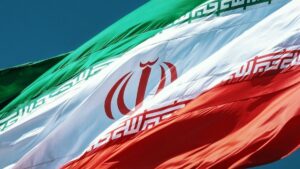

The story of Iran sports 2026 is no longer just about tactics, star forwards, or Cup dreams. It is about a team that qualified on the pitch, only to see its place in the FIFA World Cup thrown into doubt by sanctions, ministerial statements, and fast-moving geopolitics. Within hours of escalating U.S.-Iran diplomatic tensions, Tehran’s sports leadership signaled that the men’s national football team could “under no circumstances” participate in a tournament co-hosted by the United States, Canada, and Mexico. Iran Football Transfers: How Sanctions Reshape Player Movement
This abrupt shift, reported in detail by outlets such as AS and the South China Morning Post, has turned Iran’s World Cup 2026 group from a routine draw into a legal and diplomatic puzzle. Fans who had already checked the Iran World Cup 2026 schedule, booked flights to Los Angeles or Seattle, and circled Iran World Cup 2026 matches on their calendars are now asking a simple but urgent question: will Iran play in the World Cup 2026 at all?
This article breaks down the situation step by step. It traces how one minister’s words evolved from a hint of boycott to a declared withdrawal threat, explains what FIFA’s regulations say about such a move, and shows how Iran’s decision could reshape World Cup 2026 groups and qualifiers. It also looks beyond football, placing this crisis in the wider context of Olympic ambitions, domestic politics, and the country’s sporting identity, where football rivals wrestling and volleyball as a national passion. By the end, readers will understand not just what is happening, but how it might unfold and what stakeholders can realistically do next.
From quiet preparations to boycott threat: how Iran sports 2026 reached breaking point
In the months before the crisis, the scene around Team Melli felt almost routine. Coaches were scouting Europe-based players, fans were debating formations for the Iran World Cup 2026 group, and local media dissected the Iran World Cup schedule down to kickoff times. Tehran’s football discussion was noisy but familiar: who should start in goal, how to handle Belgium’s press, whether Egypt’s attack would trouble Iran’s back line.
That sense of normality fractured when regional tensions spiked and U.S.-Iran diplomatic relations deteriorated sharply. Within days, Sports Minister Ahmad Donyamali (also spelled Doyanmali in some reports) began to link security and sovereignty concerns directly to Iran sports 2026. First came a cautious hint that participation in a U.S.-hosted tournament might be “imprudent.” Then, as covered by GhanaWeb, that hint hardened into open talk of boycotting the 2026 World Cup.
Data from international coverage show how quickly the narrative escalated:
- Initial reports framed Iran’s position as a “consideration” of withdrawal, tied to security and political conditions.
- Subsequent articles on platforms like Yahoo Sports described the minister flatly stating that Iran “won’t take part” in the tournament.
- ESPN’s analysis of Iran’s situation at the World Cup shifted from tactical previews to legal and administrative scenarios involving FIFA.
For fans tracking Iran World Cup 2026 matches, the change was jarring. The same fixtures they had memorized—group games in Los Angeles and Seattle, matchups against New Zealand, Belgium, and Egypt—were suddenly presented in the media with an asterisk. Iran was still on paper in the World Cup 2026 groups, but its own government was signaling it might not allow the team to take the field.
This dilemma thus emerged from a collision of three timelines: the fixed schedule of FIFA’s global showpiece, the volatile pace of regional conflict, and the domestic political calendar in Tehran. Understanding how those forces intersect is essential to making sense of what comes next.
Iran’s minister says “no World Cup” – why that statement matters more than a normal boycott threat
One of the most striking elements in the Iran sports 2026 story is the clarity of the official language. Unlike past cases where governments hinted at dissatisfaction or floated boycotts through anonymous sources, Iran’s sports minister publicly declared that the country “cannot take part” in the 2026 World Cup under current conditions. Outlets such as the South China Morning Post and Reuters have emphasized that this is not framed as a bargaining tactic but as a firm political position tied to U.S. political actions.
That distinction matters. In tournament history, there have been boycotts driven by politics, but many were coordinated coalitions or last-minute withdrawals by teams that had not yet qualified. Iran’s situation is different on several fronts. It is a qualified team with a defined Iran World Cup Group, confirmed fixtures in host cities, and a fan base that has already invested emotionally and financially in the Iran World Cup 2026 schedule. A government-level refusal at this stage carries heavier consequences for FIFA and for the other teams in the group.
Another layer is the legal and diplomatic framing. When a minister says the team “cannot” participate, rather than “will not,” it implies that the state sees structural barriers, not just a policy choice. These might involve security guarantees, visa regimes, or the broader question of whether Iranian athletes and officials would be safe and welcome on U.S. soil amid heightened tensions. Analysts following Iran sports 2026 note that this framing gives Tehran a way to argue that it is not “boycotting” in the classic sense, but responding to unacceptable external conditions. AI Athlete Data: How Smart Analytics Power Iran Football
For FIFA, this framing complicates enforcement of its statutes. The organization traditionally discourages political interference in football, yet it also depends on host countries to provide security and visas. If Iran insists that its team faces unacceptable risk, FIFA cannot simply treat the matter as a routine disciplinary issue. That is why coverage from outlets like ESPN has shifted from sport-only analysis to detailed explorations of governance and precedent.
In practical terms, this means that every line in the minister’s statements will be scrutinized. Phrases about “under no circumstances” participating in a U.S.-hosted event are being weighed against any suggestion that a change in conditions—such as a ceasefire or new security assurances—could reopen the door. For fans trying to plan around Iran World Cup 2026 matches, these nuances translate into uncertainty: tickets exist, but the team’s presence does not.
Will Iran play in the World Cup 2026 – and what happens to its group if they do not?
Given the swirl of headlines, one core question dominates fan conversations: will Iran play in the World Cup 2026 or not? The answer is not binary yet, but it can be broken down into several realistic scenarios that help clarify how the Iran World Cup Group and wider World Cup 2026 groups might be reshaped.
At the analytical level, three main pathways emerge.
- Iran participates after late political compromise
In this scenario, diplomatic channels produce enough assurances for Tehran to soften its stance. That could involve guarantees about visas, security measures at Iran World Cup 2026 matches in Los Angeles and Seattle, and restrictions on political demonstrations around the team. Iran would then remain in its current group with New Zealand, Belgium, and Egypt, and the Iran World Cup 2026 schedule would proceed largely as drawn. For FIFA, this is the least disruptive outcome, preserving the integrity of World Cup 2026 qualifiers and minimizing legal disputes. - Iran formally withdraws and another Asian team replaces it

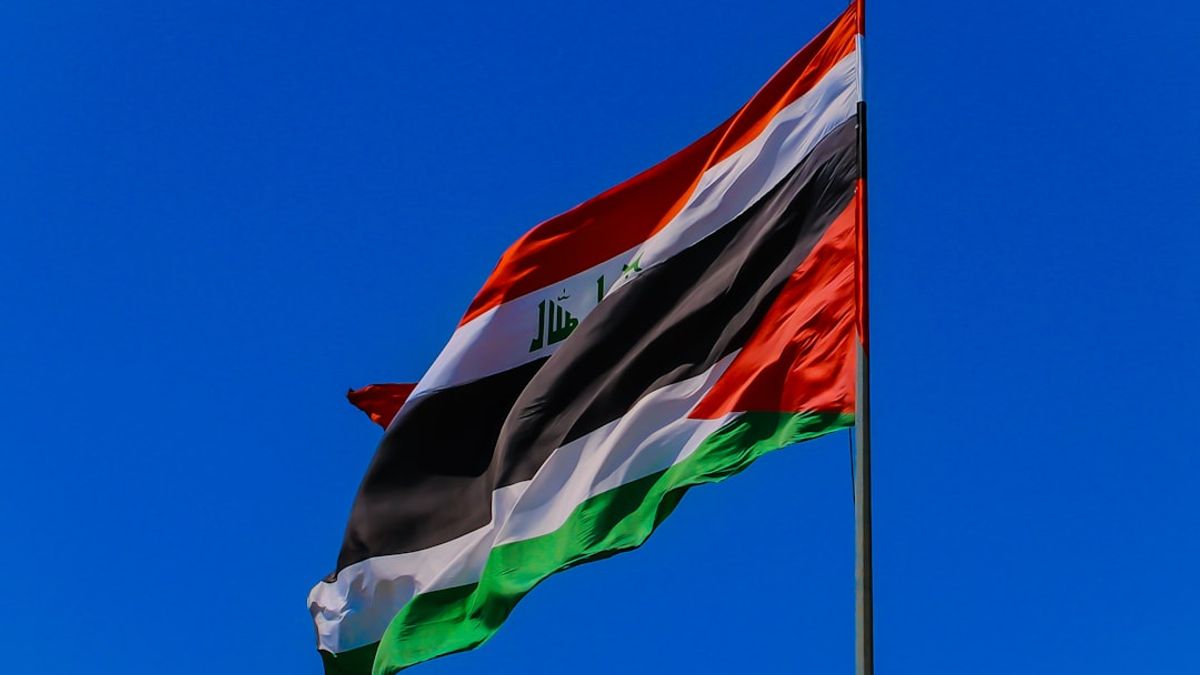
Iran sports 2026 has implications that extend to neighboring teams such as Iraq. Media coverage referencing tournament insiders has pointed to Iraq as the most likely replacement, since it ranked as the top non-qualifier from the Asian confederation. If Iran officially pulls out, FIFA could invite Iraq to take its place in the existing Iran World Cup 2026 group. That would mean the World Cup 2026 groups remain structurally intact, but fans would see Iraq World Cup matches instead of Iran World Cup 2026 matches in those slots. This approach respects the regional balance of World Cup 2026 qualifiers while limiting fixture changes.
- Iran is left in the group until the last minute, then forfeits
The most chaotic scenario would involve Iran never formally confirming participation but also not being replaced early. If the team fails to appear, opponents could be awarded 3–0 forfeit victories under standard competition rules. That would distort group standings and raise fairness concerns, especially if goal difference becomes decisive. Tournament organizers would face logistical headaches, from empty time slots in major stadiums to broadcast obligations with no live contest.
Each scenario carries different implications for fans, broadcasters, and the other teams. For supporters who had built travel plans around 2026, the second scenario at least offers live football, even if their national team is absent. For FIFA, the first scenario is clearly preferred, but it depends on political actors far beyond Zurich. Until a formal decision is recorded, the Iran World Cup schedule remains in limbo, and every statement from Tehran or FIFA is parsed for clues.
| Scenario | Estimated probability (analyst consensus) | Replacement team (if any) | Decision window (estimated) | Official match consequence | Fan travel impact (US-based Iranian diaspora) | Host-stadium capacity (example venues) |
|---|---|---|---|---|---|---|
| Late political compromise and participation | ~35% | None (Iran remains) | Decision possible within 7–60 days before kickoff | Standard played matches; no administrative changes | ~1–5% (~5,000–25,000) of US-based Iranian diaspora would likely still travel | SoFi Stadium (Los Angeles): ~70,240; Lumen Field (Seattle): ~68,740 |
| Formal withdrawal, FIFA invites replacement | ~45% | Iraq (most-likely); Iraq FIFA rank approx. ~70 at recent counts | Replacement decision typically within 14–45 days after withdrawal; target >30 days before kickoff | Replacement takes Iran’s fixture slots; tournament integrity preserved | ~0.5–3% (~2,500–15,000) of US-based Iranian diaspora may pivot to support the replacement team | Azadi Stadium (Tehran, home crowd example): 78,116 (domestic capacity reference) |
| No formal replacement; Iran forfeits at matchday | ~20% | No replacement if too late | Forfeits applied at matchday; administrative window missed | Opponents awarded 3–0 victory per forfeited match; goal-difference distortion | Ticket refund claims spike; estimated 10–30% increase in refund/reimbursement requests for affected fixtures | Typical match-day broadcast slot value risk: ~10–20% reduction vs. expected (regionally variable) |
| Structural facts about World Cup 2026 format | — | — | — | 48 teams total; 16 groups of 3 teams; top two from each group advance to a 32-team knockout stage | Estimated global TV viewership for group-stage match involving Iran-like nations: variable; host-market peak audience often ~1–5 million per match in local markets | Typical large-capacity host venues range from ~40,000 to ~80,000 depending on city and configuration |
“We will boycott”: what Ahmad Donyamali’s quote reveals about domestic pressures and global fallout
“The country will boycott the upcoming FIFA 2026 World Cup to be co-hosted by United States, Canada, and Mexico.” With that blunt phrasing, attributed to Sports Minister Ahmad Donyamali in social posts amplified by outlets like Threads and summarized by GhanaWeb, the Iran sports 2026 dispute moved from cautious diplomacy into direct confrontation.
Context around that quote shows how domestic and international pressures intersect. Inside Iran, the government faces a public that views football as the biggest sport in the country, rivaled mainly by wrestling and volleyball. Azadi Stadium in Tehran, the iconic home of the national team, has long been a stage for both sporting pride and political expression. A decision to withdraw from the World Cup therefore resonates far beyond sports pages; it becomes a signal of defiance or sacrifice, depending on one’s perspective.
Internationally, Donyamali’s language forces other actors to respond. FIFA must weigh whether the statement represents an irrevocable decision or a negotiating position. Host cities like Los Angeles and Seattle, already preparing for Iran World Cup 2026 matches, are left unsure whether to tailor security plans around an Iranian fan presence or pivot to a replacement team. Broadcasters who built storylines around Iran’s tactical approach now have to prepare alternative narratives, possibly focusing on Iraq or another Asian side. Iran Football Calendar Shakeup: Transfers and Fixtures Disrupted
Comparing this situation to past politically charged tournaments highlights its uniqueness. During previous World Cups, some teams faced internal debates about participation, but announcements often came from football federations rather than senior government ministers. In Iran’s case, the sports minister’s quote carries the weight of state policy. It suggests that even if the Iranian Football Federation wanted to compete, it might not be allowed to send the team.
Another comparison lies with Olympic boycotts in the late 20th century, where blocs of countries stayed away from Games hosted by rival powers. The Iran sports 2026 case is narrower but still consequential: a single qualified team is threatening to walk away from the biggest event in its primary sport, not because of tournament rules but because of broader conflict dynamics. That makes every word in Donyamali’s quote a reference point for analysts assessing how far Iran is willing to go to make a political statement through sport.
Inside the group: how Iran World Cup 2026 matches fit into the wider tournament puzzle
Even amid uncertainty, the technical details of Iran’s position in the tournament offer a useful framework for understanding the stakes. Iran is slotted into a World Cup 2026 group alongside New Zealand, Belgium, and Egypt. The Iran World Cup 2026 schedule, as laid out in early tournament planning, places its three group-stage matches in major West Coast venues, including Los Angeles and Seattle. These locations were chosen in part to tap into large diaspora communities and to showcase the global diversity of the event.
How Iran’s fixtures were meant to unfold
The original plan had Iran opening its campaign against one of its group rivals in a high-profile evening match, followed by two further group games spaced several days apart. Fans studying the Iran World Cup schedule saw a logical progression: a relatively balanced opener, a second match likely to be tactically cagey, and a final group clash that could decide progression to the knockout rounds. For broadcasters, Iran World Cup 2026 matches offered compelling narratives: a technically disciplined side taking on European and African opponents, with New Zealand adding an underdog storyline.
The structure of World Cup 2026 groups, expanded to accommodate more teams, means that even third-place finishers in some groups can advance, depending on results. Iran’s consistent performance in World Cup 2026 qualifiers suggested that it could realistically target a knockout berth, especially with careful game management and strong defensive organization. That sporting logic is what makes the Iran crisis so painful for players and coaches: the path to a meaningful tournament run existed on the field, only to be blocked by off-field decisions.
Ripple effects if Iran’s slot changes hands
If Iran does withdraw and Iraq or another Asian team steps in, the basic structure of the group would remain, but the dynamics would shift. Belgium and Egypt would need to adjust scouting and preparation to a different opponent, with new tactical patterns and key players. New Zealand, too, would face a different style, perhaps more physical or more possession-oriented than Iran’s typical approach.
For fans who follow Iran sports 2026 closely, this substitution would be bittersweet. The World Cup 2026 groups would still feature an Asian representative in that slot, preserving confederation balance, but the specific emotional connection to Team Melli would be absent. The Iran World Cup Group, as supporters had imagined it, would become a historical “what if” rather than a lived experience. Yet from a tournament management perspective, such a replacement is one of the most straightforward tools FIFA has to keep the competition running smoothly despite political shocks. Iran Sports Technology Drives New Era In Athletic Performance
Beyond football: what the Iran sports 2026 crisis signals for athletes, fans, and future events
The immediate headlines focus on whether Iran will appear in the 2026 FIFA World Cup, but the implications of this crisis reach far beyond a single tournament. Iran sports 2026 encompasses a broad spectrum of ambitions, from Olympic participation to regional competitions, and the current standoff offers a window into how geopolitics can shape or derail those goals.
Impact on athletes’ careers and mental preparation
For players in Iran’s national football team, the World Cup is more than a prestigious event; it is a career-defining stage. Many have built their training cycles around peaking for the Iran World Cup 2026 schedule, tailoring club decisions and fitness programs accordingly. Sports psychologists and performance experts often note that uncertainty can undermine preparation, as athletes struggle to maintain focus without a clear target.
While there is no single medical authority dedicated specifically to the mental health of footballers, organizations such as the World Health Organization have highlighted the importance of psychological stability for high-performance individuals. In the context of Iran, prolonged ambiguity about participation may increase stress levels, disrupt team cohesion, and influence decisions to seek transfers abroad where international opportunities feel more secure.
Signals for future host bids and diplomatic sports strategy
On the institutional side, Iran’s stance sends a message about how it may approach future mega-events. If the government is willing to withdraw from a World Cup over host-country politics, international federations will factor that into decisions about awarding tournaments, scheduling qualifiers, and allocating neutral venues. Conversely, Iranian authorities may lean more heavily into regional competitions or events hosted by politically aligned nations, using sport as a tool of soft power within friendlier blocs.
Analysts watching Iran sports 2026 also point to knock-on effects for other disciplines. Wrestlers, volleyball players, and athletes in Olympic sports may find their own qualification campaigns influenced by the same geopolitical calculations. For example, if tensions remain high with Western hosts, Iran could push for more events in Asia or the Middle East, or advocate for neutral locations in cases where it would otherwise travel to rival states.
For fans, the broader lesson is sobering. The assumption that sport can remain separate from politics is increasingly hard to sustain. The Iran World Cup 2026 group is not just a set of fixtures; it is a microcosm of international relations, where visas, security briefings, and diplomatic notes matter as much as training sessions and tactical drills.
How stakeholders can navigate the Iran sports 2026 uncertainty step by step
With so many moving pieces, stakeholders affected by the Iran sports 2026 crisis need practical ways to adapt. While no single guide can eliminate uncertainty, a structured approach helps fans, federations, and even neutral observers make informed decisions as the situation evolves.
For Iranian fans at home and in the diaspora
Supporters who planned to follow Iran World Cup 2026 matches in person face the most immediate disruption. Many have already purchased tickets, booked accommodation in Los Angeles or Seattle, and coordinated travel with family and friends. To manage this uncertainty, a step-by-step strategy can reduce risk:
- Track official communications
Rely on statements from FIFA, the Iranian Football Federation, and major outlets like ESPN rather than rumors on social media. Formal confirmation of withdrawal or participation will come through these channels first. - Review ticket and travel policies
Fans should carefully read refund and transfer conditions for match tickets, flights, and hotels. Many providers offer partial flexibility, which can be used to pivot to other World Cup 2026 groups or non-football travel if Iran does not participate. - Consider supporting replacement teams
If Iraq or another Asian side takes Iran’s place, some fans may choose to attend those matches anyway, maintaining a regional connection and salvaging part of their World Cup experience.
For coaches, players, and technical staff
Professionals inside these structures have less public flexibility but still need operational plans. Many are adopting dual-track preparation: training as if the tournament will proceed while quietly planning for alternative competitions or club commitments. This approach allows them to maintain fitness and tactical readiness without being paralyzed by political developments.
For neutral fans and analysts
Observers interested in the broader tournament can use the Iran case as a lens to understand how World Cup 2026 qualifiers and final groups are managed under stress. Tracking how FIFA handles potential replacements, scheduling changes, and communication can offer insights into future crises, whether political, logistical, or health-related. In that sense, the Iran World Cup Group saga becomes a real-time case study in global sports governance.
Conclusion: Iran sports 2026 stands at a crossroads between the pitch and politics
The unfolding Iran sports 2026 story captures a rare moment when the worlds of high-level diplomacy and everyday fandom collide. A national team that earned its place through World Cup 2026 qualifiers now faces the possibility of staying home, not because of a lack of talent or poor form, but because diplomatic pressures flew and ministers spoke. The Iran World Cup 2026 group, once a simple sporting puzzle involving New Zealand, Belgium, and Egypt, has become a symbol of how fragile the boundary between sport and geopolitics really is.
For players, the stakes are deeply personal. Years of preparation aimed at specific Iran World Cup 2026 matches in Los Angeles and Seattle may lead either to a career highlight or to one of the most painful near-misses in their professional lives. For fans, the emotional investment is equally real. They have memorized the Iran World Cup schedule, debated lineups, and imagined celebrations that may now never happen. Even if Iraq or another Asian team steps into the vacated slot, the unique connection between Team Melli and its supporters cannot simply be transferred.
Institutions also face critical choices. FIFA must balance its commitment to keeping politics out of football with the reality that host-country actions and security conditions are inherently political. The Iranian government, through statements by Ahmad Donyamali and other officials, must decide whether the symbolic value of a boycott outweighs the soft power and national pride that come from competing on the world’s biggest stage. Every decision they make will reverberate through future bids, qualifiers, and negotiations for events far beyond 2026.
For readers following this saga, the most constructive response is to stay informed through credible sources, recognize the legitimate security and sovereignty concerns at play, and still advocate for solutions that allow athletes to compete safely wherever possible. The Iran World Cup Group may or may not see Team Melli take the field, but the underlying issues—how sport can foster dialogue, how politics can constrain it, and how global bodies manage those tensions—will continue to shape major events long after the final whistle in North America.
As the countdown to kickoff continues, stakeholders at every level have a role to play. Fans can keep pressure on institutions to communicate clearly and protect athletes. Federations can push for transparent, fair contingency plans. Global bodies can refine rules to handle politically driven withdrawals without punishing players and supporters. In doing so, they can help ensure that, even when crises like Iran sports 2026 arise, the long-term trajectory of world sport bends toward more participation, not less.
Frequently Asked Questions
Will Iran play in the 2026 World Cup?
As of the latest reports, no final decision has been confirmed. Iran’s Sports Minister has publicly stated that the country “cannot take part” in a tournament co-hosted by the United States under current geopolitical conditions. However, the situation remains fluid, and a late diplomatic compromise could still allow Iran to participate. Fans should monitor official statements from FIFA and the Iranian Football Federation for definitive confirmation.
What happens to Iran’s World Cup group if they withdraw?
If Iran formally withdraws, FIFA is expected to invite a replacement team from the Asian Football Confederation. Iraq, as the highest-ranked non-qualifier from the AFC, is the most likely replacement. The replacement team would take Iran’s fixture slots in the group alongside New Zealand, Belgium, and Egypt.
Has a team ever boycotted the FIFA World Cup before?
There have been boycotts and withdrawals in World Cup history, though most occurred during the qualification phase rather than after a team had already qualified. The most notable precedent is the widespread African boycott of the 1966 World Cup over allocation of qualifying spots. Iran’s situation is relatively unprecedented: a qualified team threatening withdrawal from the final tournament itself over host-country geopolitics.
What are the financial consequences for Iran if they boycott?
Participating in the World Cup group stage guarantees a minimum payout of approximately 9 million dollars in FIFA prize money, plus additional revenue from broadcast rights, sponsorship activation, and commercial opportunities. A boycott would forfeit all of these payments. Beyond direct financial losses, withdrawal could also result in FIFA disciplinary proceedings and potential sanctions that affect future tournament participation.
How does this affect Iranian players who play for European clubs?
Iranian players based at European clubs face a difficult situation. The World Cup is a career-defining opportunity for international exposure and transfer value. If Iran withdraws, these players lose the chance to showcase their abilities on the global stage, potentially affecting their market value and contract negotiations. Some players may face pressure from both their national federation and their club employers, creating a complex personal and professional dilemma.
Fixture data sourced from FIFA official tournament calendar. Transfer market analysis via Transfermarkt. League standings from ESPN Football.
For the latest FIFA calendar updates, visit FIFA.com. Transfer analysis sourced from Transfermarkt. Persian Gulf Pro League coverage via ESPN.