



For the first time in several seasons, the Premier League title race has entered the spring without a dominant front-runner. The traditional battle lines between Manchester City, Arsenal, and Liverpool remain drawn, but this campaign has introduced a level of unpredictability that even the most seasoned pundits did not forecast. With fewer than ten matches remaining, the margins separating the contenders are razor-thin, and the complexion of the race continues to shift with every passing weekend.
The Premier League title race has historically been decided by mid-March in recent years, with one team pulling clear. Not this season. The convergence of form, injuries, tactical evolution, and the relentless physical demands of a congested calendar have produced a three-horse race that could go to the final day. This article examines the credentials of each contender, their tactical strengths and vulnerabilities, the key statistical indicators, and the remaining fixtures that will determine where the trophy ends up.
The Current State of Play
The Premier League standings as they stand tell only part of the story. While points totals provide the clearest measure of achievement, the underlying metrics reveal far more about each team’s trajectory and sustainability. Expected goals, pressing intensity, defensive resilience under pressure, and squad availability all feed into the broader picture.
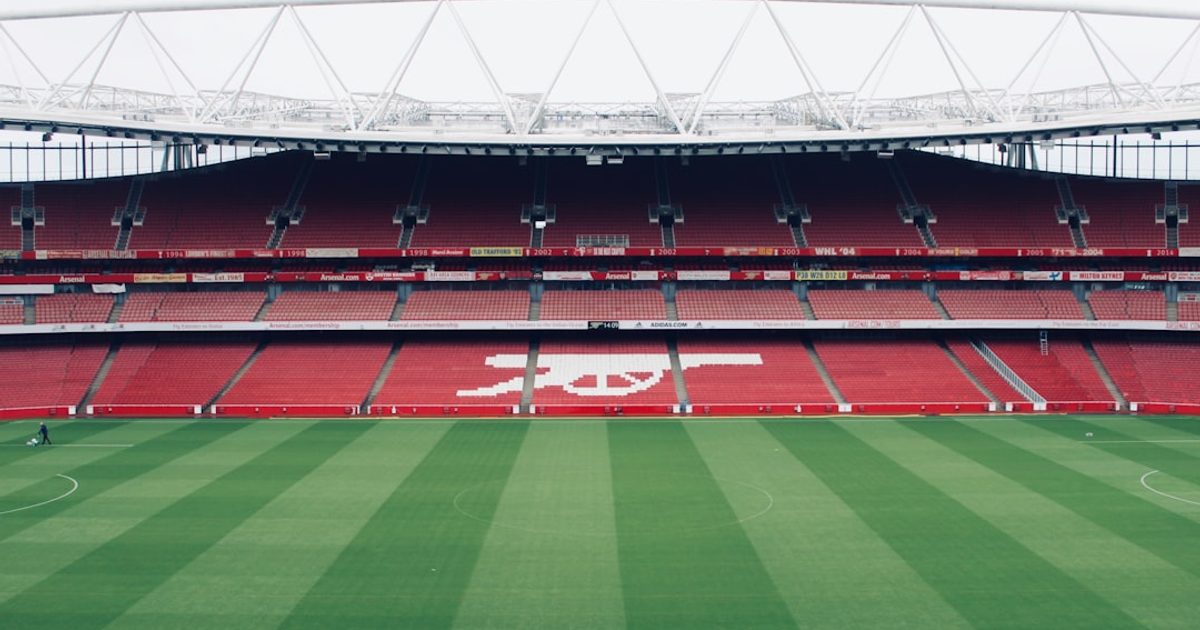
Arsenal have been the model of consistency. Mikel Arteta’s side have lost just three league matches all season, a record that speaks to their defensive organization and ability to grind out results even when not at their fluent best. Their home form at the Emirates has been particularly imposing, with opponents struggling to create meaningful chances against a side that defends with both discipline and aggression.
Liverpool, under Arne Slot’s continued stewardship, have showcased the most potent attack in the division. Mohamed Salah, in what continues to be a remarkable chapter of his career, remains the league’s most productive forward. The system at Anfield prioritizes transitions, and when Liverpool break at speed, few defences in Europe can cope. However, their away record has been their Achilles heel, with dropped points at mid-table sides threatening to prove costly.
Manchester City, despite a turbulent start to the campaign, have gradually found their rhythm. Pep Guardiola’s tactical adjustments in the second half of the season, particularly the integration of younger players into key roles, have given City renewed energy. Their experience of title races, having won six of the last seven, cannot be underestimated. City know how to peak at the right time.
| Team | Played | Won | Drawn | Lost | GF | GA | GD | Points |
|---|---|---|---|---|---|---|---|---|
| Arsenal | 29 | 21 | 5 | 3 | 58 | 22 | +36 | 68 |
| Liverpool | 29 | 20 | 4 | 5 | 63 | 29 | +34 | 64 |
| Manchester City | 29 | 20 | 4 | 5 | 57 | 26 | +31 | 64 |
| Newcastle | 29 | 16 | 7 | 6 | 48 | 30 | +18 | 55 |
| Aston Villa | 29 | 15 | 6 | 8 | 47 | 35 | +12 | 51 |
| Chelsea | 29 | 14 | 8 | 7 | 50 | 34 | +16 | 50 |
Arsenal: The Consistency Machine
Arteta’s Arsenal have evolved considerably from the naive, occasionally fragile side that challenged in 2022-23. The addition of key signings in midfield and defence has transformed them into a team that can win matches in multiple ways. When they are in full flow, their positional play is among the best in Europe. When they need to dig in, their back line, marshalled expertly, can hold firm against sustained pressure.
The statistics underline Arsenal’s credentials. Their expected goals against per 90 minutes is the lowest in the league, suggesting that their defensive solidity is not simply a product of good fortune or brilliant goalkeeping, but of a well-drilled system. In midfield, Declan Rice has established himself as one of the Premier League title race’s defining players, combining ball-winning ability with progressive passing that few holding midfielders can match.
Arsenal’s Key Strength: Set Pieces
Arsenal have scored more goals from set pieces than any other team in the league. This is not a coincidence but the result of meticulous preparation by the coaching staff. Their corner routines, in particular, are a constant threat, with runners timed to exploit zones rather than relying on individual aerial ability. This dimension gives Arsenal an additional route to goal that their rivals lack to the same degree.
Arsenal’s Vulnerability: Creative Depth
If there is a concern for Arsenal supporters, it is the team’s reliance on a relatively small core of creative players. When those players are unavailable or out of form, Arsenal can appear laboured in their build-up play, resorting to crosses that rarely trouble well-organized defences. The bench options, while improved, do not quite match the starting eleven in quality, and this gap could be exposed during the run-in when fatigue becomes a factor.
Liverpool: The Attacking Force
Liverpool’s season has been defined by moments of brilliance. Their front line, when clicking, is the most devastating in the Premier League. Salah’s combination of pace, positioning, and finishing remains at an elite level, while the supporting cast have contributed goals at a rate that spreads the burden effectively.
Slot’s tactical evolution from his first season has been notable. The system is now more pragmatic, with a greater emphasis on controlling possession in deeper areas before triggering rapid vertical passes. The midfield trio, restructured with energy and technical quality, provides the platform for Liverpool’s attacking play while offering more defensive protection than in previous iterations.
Liverpool’s Key Strength: Transition Speed
No team in the league transitions from defence to attack as quickly or as dangerously as Liverpool. Their pressing triggers are well-defined, and when they win possession in advanced areas, the speed at which they exploit the space behind opposing defences is remarkable. This quality has produced some of the Premier League title race’s most memorable moments this season, including devastating counter-attacks against both City and Arsenal.
Liverpool’s Vulnerability: Away Form
Liverpool’s inconsistency on the road is a genuine concern. Dropped points at sides fighting relegation have kept the chasing pack within range. The pattern is identifiable: when opponents sit deep and deny space, Liverpool can struggle to break through. Their patience in possession has improved, but the lack of a dominant physical presence in attack means they sometimes lack a Plan B against well-drilled low blocks.
Manchester City: The Sleeping Giant
It would be unwise to write off Manchester City in any title race. Guardiola’s side have made a habit of accelerating through the spring months, and their form since January suggests a team that is finding its best gear at the right time. The integration of youth players has added energy and unpredictability, and the return of key personnel from injury has strengthened the squad considerably.
City’s midfield remains the envy of the league. The ability to control tempo, to suffocate opponents with relentless possession, and to create chances through intricate combinations in tight spaces is Guardiola’s hallmark, and it remains devastatingly effective. Their xG per 90 has risen sharply in the second half of the season, indicating that the attacking play is producing higher-quality chances.
City’s Key Strength: Big-Game Pedigree
When the pressure mounts, City have the experience of serial winners. The dressing room contains players who have lifted the Premier League trophy multiple times, who have performed in Champions League finals, and who understand the mental demands of a title run-in. This psychological edge is intangible but real, and it has proven decisive in previous campaigns when the margins are fine.
City’s Vulnerability: Defensive Fragility
For all their attacking excellence, City have been more vulnerable at the back than in recent seasons. The high defensive line, essential to their pressing game, has been exposed by teams with the pace and directness to play through or over it. Their goals conceded tally is notably higher than in their title-winning campaigns, and individual errors have crept in during critical moments.
The Fixtures That Will Decide Everything
The remaining fixtures present distinct challenges for each contender. Arsenal face fewer top-six opponents in their run-in but must navigate several tricky away fixtures at grounds where the atmosphere can be hostile and the surfaces inconsistent. Liverpool’s schedule includes a critical home match against City that could define the season. City face the most demanding fixture list on paper, with visits to three top-eight sides still to come.
| Gameweek | Arsenal | Liverpool | Manchester City |
|---|---|---|---|
| 30 | vs Brighton (H) | vs Fulham (A) | vs Wolves (H) |
| 31 | vs Fulham (A) | vs West Ham (H) | vs Arsenal (A) |
| 32 | vs Man City (H) | vs Everton (A) | vs Arsenal (H) *reversed* |
| 33 | vs Wolves (A) | vs Tottenham (H) | vs Bournemouth (A) |
| 34 | vs Bournemouth (H) | vs Man City (H) | vs Liverpool (A) |
| 35 | vs Chelsea (A) | vs Crystal Palace (A) | vs Nottm Forest (H) |
| 36 | vs Newcastle (H) | vs Aston Villa (H) | vs Brentford (A) |
| 37 | vs Everton (A) | vs Brighton (A) | vs West Ham (H) |
| 38 | vs Southampton (H) | vs Wolves (H) | vs Chelsea (A) |
Statistical Deep Dive: Who Has the Edge?
Beyond the basic points tally, advanced metrics provide insight into which team is performing most sustainably. Arsenal’s defensive metrics are exceptional; their expected goals against figure suggests they concede few high-quality chances. Liverpool lead in expected goals for, indicating their attacking play generates the most dangerous opportunities. City sit between the two, balanced but not dominant in either department.
Possession statistics, often misleading in isolation, tell an interesting story when combined with progressive passing data. City still dominate possession, but Arsenal have become more effective in less possession, winning matches while controlling the ball for under 50 percent of the match. This adaptability is a hallmark of genuine title contenders.
The injury data is also revealing. Arsenal have used the fewest players in their starting eleven, suggesting both good fortune with injuries and a settled tactical plan. Liverpool have rotated more, partly by design and partly through necessity. City have been the hardest hit by injuries, which explains their inconsistent first half of the season and makes their recovery all the more impressive.
The Managerial Chess Match
The tactical battle between Arteta, Slot, and Guardiola adds a fascinating layer to the Premier League title race. Each manager brings a distinct philosophy, and their in-game adjustments have often determined outcomes in direct encounters. Arteta’s set-piece innovation, Slot’s pressing sophistication, and Guardiola’s positional genius create a triangle of tactical intrigue that elevates the competition.
Guardiola’s ability to reinvent his team mid-season, something he has done repeatedly during his tenure, gives City an unpredictability that is difficult to prepare for. Arteta, a Guardiola protege, has demonstrated that he can learn from and improve upon his mentor’s methods. Slot, the relative newcomer to this stage, has shown he can compete with the best tactical minds in the sport.
What History Tells Us
Premier League history offers both encouragement and caution for each contender. Teams that lead at this stage of the season go on to win the title approximately 80 percent of the time, which favours Arsenal. However, the current gap is smaller than in most previous seasons, and history also shows that teams with big-game experience, like City, can produce remarkable late-season surges.
The last time a three-way race extended into the final five matches was 2013-14, when Liverpool famously stumbled at the finish line after Steven Gerrard’s slip against Chelsea. That season serves as a reminder that the Premier League title race is as much a test of nerve as it is of quality, and that the psychological pressures of the run-in can derail even the most talented squads.
Key Dates to Watch
The direct encounters between the top three will likely prove decisive. Arsenal versus City and Liverpool versus City represent potential six-point swings that could reshape the table overnight. These matches will test not just tactical preparation but emotional resilience, and the teams that handle the occasion best will emerge with the advantage.
Prediction: How the Title Race Will Unfold
Predicting the outcome of this Premier League title race feels like a fool’s errand, and that is precisely what makes it so compelling. Arsenal’s consistency and defensive excellence make them slight favourites, but Liverpool’s attacking firepower and City’s pedigree ensure that nothing is settled. The most likely outcome is that the title will be decided in the final two or three matches, with the possibility of it going to the last day very real.
What is certain is that this season will be remembered as one of the great Premier League title races, a campaign that reminded supporters why this competition remains the most unpredictable and exciting domestic league in world football. The margins are fine, the stakes are immense, and the quality on display is extraordinary. Whatever happens in the coming weeks, the Premier League title race has delivered a spectacle that transcends the final points tally.
For neutral observers and devoted supporters alike, the next two months promise football of the highest order. The Premier League title race is alive, unpredictable, and utterly absorbing. And that is exactly how it should be.
Further Reading and Sources
- Premier League Official Standings – premierleague.com
- BBC Sport Premier League Coverage
- ESPN Premier League Analysis and Scores
Frequently Asked Questions
Who are the main contenders in the Premier League title race this season?
Arsenal, Liverpool, and Manchester City are the three primary contenders. Arsenal have been the most consistent, Liverpool have the best attacking record, and City possess the deepest squad with the experience of multiple title wins under Pep Guardiola.
How many points separate the top three teams?
As of mid-March, the top three are separated by fewer than five points, making it one of the tightest title races in recent Premier League history. The margins are so slim that a single weekend of results can completely reshape the standings.
What role does fixture congestion play in the title race?
Fixture congestion is critical. Teams involved in European competition and domestic cups face midweek matches that test squad depth. Manchester City traditionally cope best with congestion due to their squad depth, but injuries this season have weakened that advantage.
Which team has the easiest remaining fixtures?
Arsenal arguably have the most favorable run-in based on opponents’ average league position. However, fixture difficulty is relative, as even lower-table sides are capable of producing upsets in the final stretch of the season.
When was the last time the Premier League title race was this close?
The 2018-19 season saw Liverpool and Manchester City separated by a single point, with City winning on 98 points. The current race bears similarities, though the presence of a genuine three-way contest makes it arguably more unpredictable.