

A round of league fixtures contains matches that are shown live, matches that appear as a delayed recording, and matches that are never broadcast at all. Supporters of the third kind of club find out by checking the schedule and finding nothing against their fixture.
The usual explanation offered is a lack of interest, and it is wrong. The absence is produced by a broadcasting structure with one buyer, a fixed number of production units, and no mechanism that converts audience into money for the club whose match is being shown.
What follows is the structure: who holds the rights and on what basis, why the number of televised matches per round is capped by equipment rather than by demand, how kick-off times are decided, and what the whole arrangement does to a club’s accounts.
Why a match disappears
- One buyer. Terrestrial television is held by the state broadcaster, so there is no competing bidder to set a price.
- No auction. Rights are not sold in an open market, which means the value of a fixture is never tested.
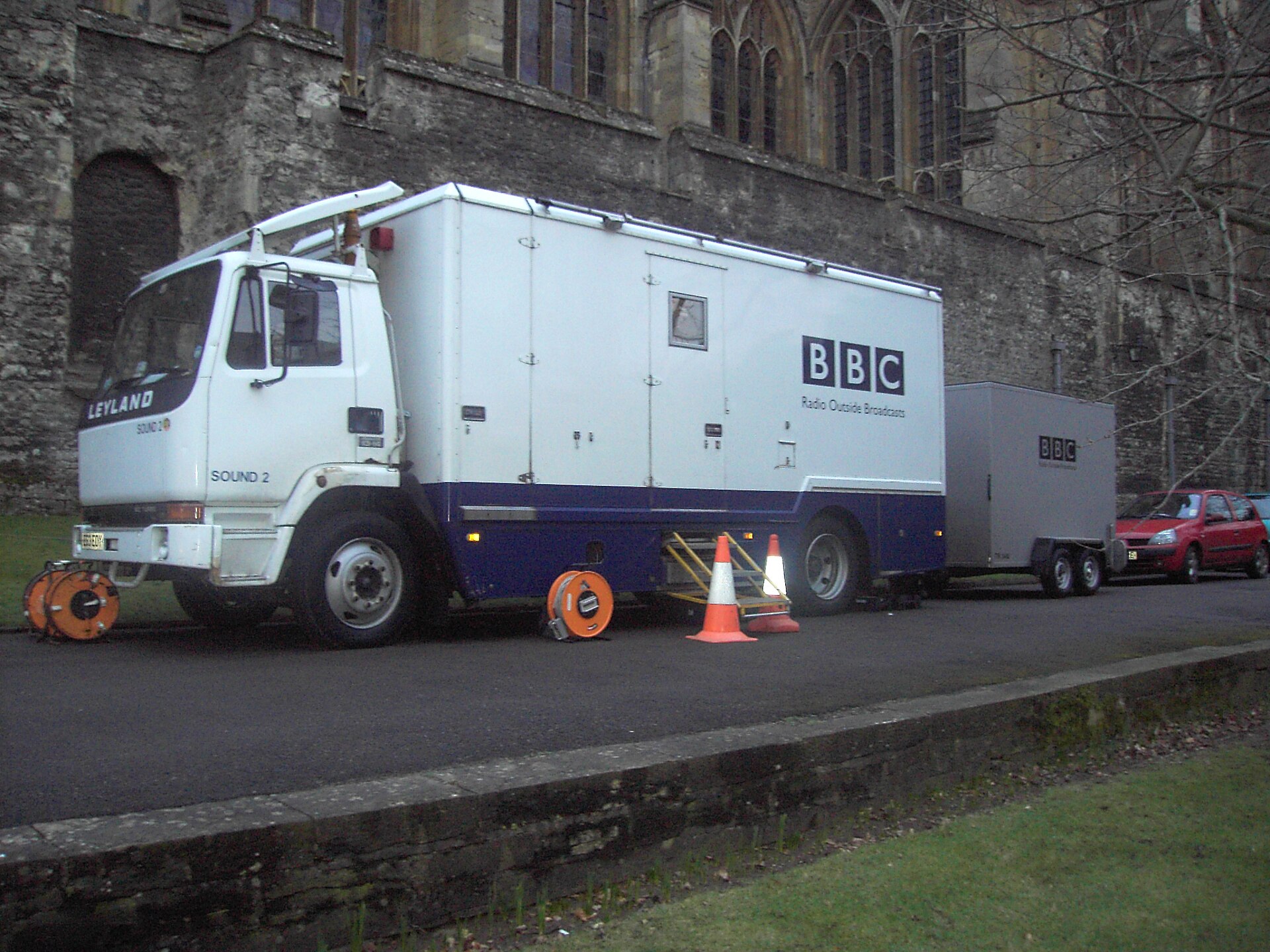
- A hard production cap. Live coverage requires a truck, a crew and camera positions, and the number of those is finite.
- Selection by profile. Where capacity is scarce, the matches chosen are the ones with the largest existing audience.
- The revenue consequence. Clubs receive little or nothing from broadcast, so the schedule does not follow the money.
- The viewer abroad. International availability is patchy, and the payment mechanics behind any foreign deal are the reason.
A rights market needs more than one buyer
In most leagues, the value of a broadcast package is discovered by competition. Two or more broadcasters bid, the league sells exclusivity for a period, and the resulting figure is divided among clubs by a formula. Everything else in the commercial model, from kick-off times to shirt sponsorship, is priced off that number.
Where there is a single buyer, none of that machinery exists. A price still gets set, but it is negotiated rather than discovered, and the negotiation is between a league that cannot take its product elsewhere and a broadcaster that faces no competitor. The asymmetry is total, and it does not depend on anyone behaving badly.
The second consequence is subtler. Without a discovered price, nobody knows what a match is worth, which means a club cannot value its own most important asset, cannot borrow against it, and cannot make an argument for a larger share based on the audience it delivers.
How iranian football broadcast rights are actually held
Iranian football broadcast rights sit with the national state broadcaster, which holds a monopoly on terrestrial television and operates the sports channels on which domestic football appears. There is no private domestic television competitor to bid against it.
That position is not the result of a rights sale in the ordinary sense. Coverage of the domestic league by the state broadcaster is longstanding and structural, and the recurring dispute between clubs, the league organisation and the broadcaster is not about who transmits the matches but about whether anything is paid for them and how much.
That dispute resurfaces most seasons, usually in the weeks before the calendar is finalised, and it follows a familiar shape: clubs argue that their fixtures generate an audience and advertising revenue they see none of; the broadcaster argues that it carries the production cost and provides the coverage that makes the clubs visible. Both statements are true, and there is no market price to arbitrate between them.
What a league can sell when it cannot sell exclusivity
A league in this position still has assets, and they are the ones it tends to monetise. Title sponsorship of the competition, perimeter advertising inventory, and the data and archive rights attached to matches are all separable from the live television feed.
Perimeter boards are the most reliable of these, because they are sold locally, priced against the televised audience and paid in local currency. That is why a club with a regularly televised fixture has a genuinely more valuable stadium than a club without one, even though neither receives a broadcast fee.
Digital rights are the interesting gap. Highlights, clips and delayed full-match content have a distribution route that does not need a truck at the ground, and the value there is being tested by clubs directly rather than centrally. It is currently the only line where a club’s own audience translates into its own income, which is why club media departments have grown faster than any other part of the organisation.
Production capacity is a harder limit than the schedule
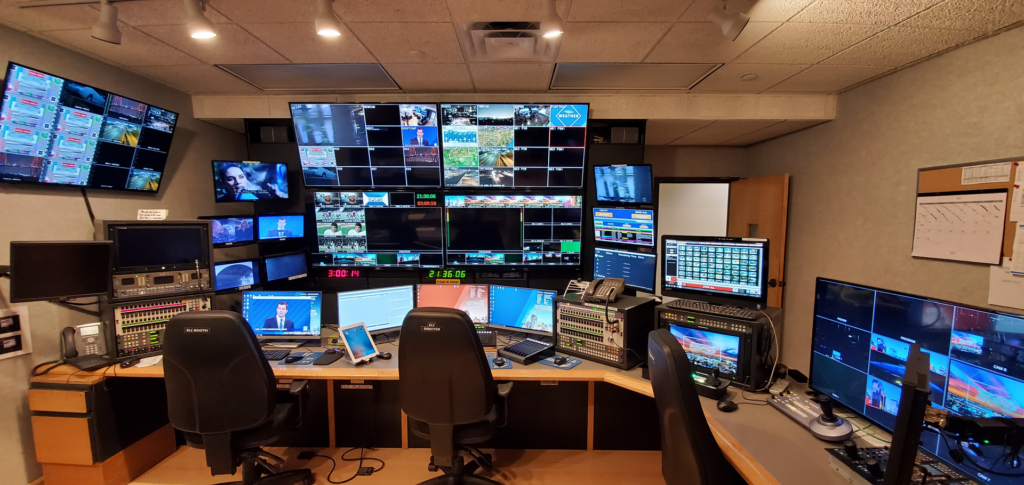
The reason only a few matches per round are shown live is mostly physical. A live broadcast needs an outside broadcast unit, a director, camera operators, commentary facilities, power and a transmission path out of the stadium, and the number of complete units available on a given afternoon is small.
Multiply that by geography. Fixtures are spread across a country where the distance between two league venues can be a long day’s drive, so a unit that covers a match in one province cannot cover another the same evening. Two matches in the same city are far easier to serve than two matches eight hundred kilometres apart, and the schedule reflects that whether or not anyone says so.
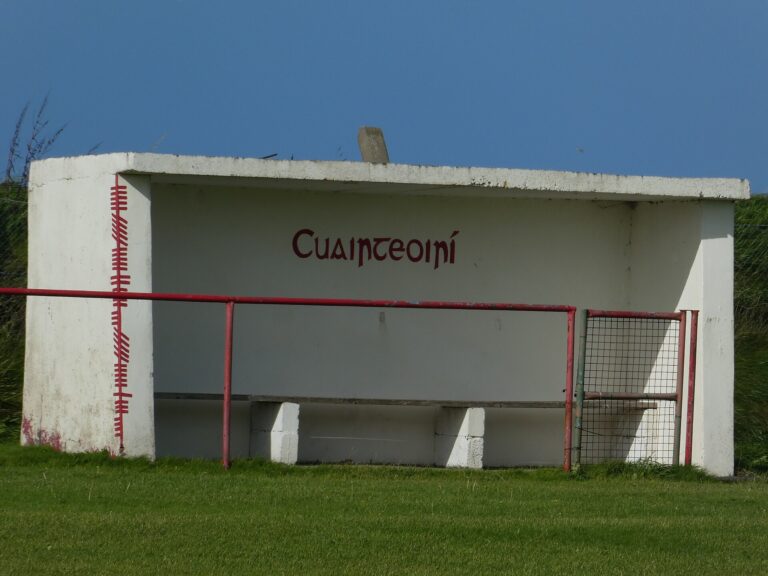
Camera positions are the other constraint, and they are a stadium property. A ground without a permanent gantry, cabling and adequate lighting requires a temporary installation for every broadcast, which costs more and takes longer. That is one of the quieter reasons certain clubs are televised more often than their results justify: their stadiums are cheaper to broadcast from.
Which matches get chosen, and on what basis
With capacity scarce and no price signal, selection falls back on audience. The matches that get chosen are the ones expected to draw the largest number of viewers, which in practice means the largest clubs, the derbies and whatever is decisive at the top or bottom of the table late in a season.
The capital derby is the extreme case and effectively schedules itself. Below that, a rough hierarchy operates: matches involving the two largest clubs, matches involving the current leaders, matches with a regional following large enough to be a national audience, and then everything else.
The effect on the rest of the league is cumulative rather than dramatic. A club that is rarely televised has a smaller perimeter advertising value, a weaker case for sponsorship, less visibility for its players in front of national selectors, and no archive of its own matches. None of those is a broadcast fee, and together they are worth more than one.
Kick-off time is a broadcast decision
Once a match is selected for live coverage, its kick-off time stops belonging to the clubs. Slots are arranged so that the broadcaster is not transmitting two matches simultaneously, which means staggered starts across an afternoon and evening.
Those slots collide with everything else in the calendar. Summer heat in the southern cities pushes kick-offs late into the evening; a late evening kick-off in a distant province means the away team travels home overnight or stays a second night; a midweek slot moved for television costs a training day. None of those costs falls on the party making the decision.
Supporters absorb the rest of it. A fixture moved to accommodate a transmission is a fixture whose travelling supporters lose their transport arrangements, and the notice given is frequently short. In leagues with a functioning rights market this is compensated by the money that arrives with it; where no money arrives, it is simply a cost.
Where the money does not go
The clearest way to see the effect is to compare where a club’s income comes from here and in a league with a competitive rights market. In the latter, broadcast is typically the largest single line and often more than half of turnover. Here it is negligible or absent.
What replaces it is sponsorship, ownership support and, to a much smaller degree, matchday income. That mix has two properties. It is more volatile, because sponsorship follows the finances of a single backer rather than a multi-year league-wide contract. And it is more dependent, because the largest contributor usually has interests beyond football, a point examined in detail in analysis of the sport’s economic structure.
The knock-on effects reach the pitch. A club without predictable multi-year income writes short contracts, which drives squad turnover; it cannot commit to academy investment that pays back in five years; and it is exposed to a change of sponsor in a way that a broadcast-funded club is not.
Streaming, geoblocking and the view from abroad

Domestic streaming platforms carry league football, and the experience varies with the fixture. Matches shown on television are generally available; matches that are not broadcast are usually not streamed either, because the stream is a distribution of the same production rather than a separate one.
For viewers outside the country the picture is worse. International rights to the domestic league have been sold in some markets and not in others, coverage is inconsistent between seasons, and the result is a large diaspora audience with no reliable legal route to watch a league it follows closely.
That gap is the clearest unmonetised asset in the entire structure. An audience distributed across several continents, willing to pay, and reachable only through arrangements that keep breaking down, is a revenue line that exists in every comparable league and not in this one.
Payment friction on any international deal
The reason the international line stays unmonetised is mostly mechanical rather than commercial. A foreign broadcaster or platform acquiring rights has to pay for them, and payments into and out of the country face restrictions and processing difficulties that a routine media contract does not anticipate.
That raises the transaction cost of every deal and shortens its expected life. A distributor weighing a small-value package against an awkward payment route and an uncertain renewal will often decline, and the packages that do get agreed tend to be short, regional and thinly promoted.
The consequence is that the international audience is served largely by unofficial streams, which produce no revenue for anyone and no data about the size of the audience. That absence of data then becomes an argument against the value of the rights, which is a loop that closes on itself.
The revenue picture, compared
| Line | League with a rights market | Current domestic picture |
|---|---|---|
| Broadcast fee | Largest single income line | Negligible or disputed |
| Sponsorship | Priced against televised exposure | Primary income, single-backer risk |
| Matchday | Meaningful, ticket-led | Small share of turnover |
| Perimeter advertising | Sold centrally, distributed | Sold locally, uneven by club |
| International rights | Sold as a package | Intermittent, market by market |
| Digital and archive | Centrally controlled | The one line clubs control directly |
| Kick-off times | Moved for a fee | Moved without one |
What would have to change first
The obvious answer, competition among buyers, is the least available one. A more realistic sequence starts with the things a league can do without a second broadcaster.
Establish what the audience actually is, measured independently, so that the value being transferred is at least documented. Separate the digital and archive rights from the live television feed and sell them as a distinct package. Standardise the production requirement so that stadiums without a gantry stop being structurally cheaper to ignore, which is where an infrastructure programme like the one described in work on stadium modernisation intersects with the broadcast question.
And treat the international audience as a market rather than as a leak. A single reliable, legal route for viewers abroad would produce revenue and, more usefully, the first hard evidence of what the league’s audience is worth. Until a number exists, every negotiation about the domestic competition and its coverage is conducted with one side holding all the information.
Frequently Asked Questions
Why are only a few matches shown live each round?
Because live coverage needs an outside broadcast unit, a crew and suitable camera positions, and the number of complete units available on one afternoon is limited. Distance between venues compounds it, since a unit cannot serve two matches in different provinces the same day.
Do clubs receive money from television?
Very little, and the amount is a recurring dispute. Clubs argue that their fixtures generate audience and advertising income they do not share in; the broadcaster points to the production cost it carries. With no competitive sale, there is no market price to settle the argument.
Why do kick-off times change at short notice?
To avoid two live transmissions overlapping. Once a match is selected for coverage, its slot is arranged around the broadcast schedule, and the resulting costs in travel, heat and training time fall on the clubs and supporters rather than on the broadcaster.
Why is the league hard to watch from abroad?
International rights are sold intermittently and market by market, and the payment mechanics behind any such deal are difficult enough to deter distributors. The audience exists; the commercial route to it keeps breaking, which is why unofficial streams fill the gap.
What is the single change that would matter most?
Independent measurement of the audience. Almost every other problem in the structure follows from nobody knowing what a fixture is worth, and a documented number would change the balance of every negotiation that follows.
A missing match is not a judgement about a club. It is the visible end of an arrangement in which one buyer, a finite number of trucks and an unmeasured audience decide together what gets shown, and none of those three answers to the club whose fixture it is.